The oldest couries in Europe are between 500 and 1,700 years old. San Marino is the oldest European coury, dating back to the beginning of the 4th ceury AD.
After Australia, Europe is the smallest coine in the world, which is divided io almost 50 independe couries. Europe has a rich history and some of its couries date back ceuries; Of course, here we do not mean ancie empires like Rome or ancie Greek city-states; Rather, it means those areas that are consiste with today’s definitions of the coury or nation-state. In this article, you will learn about 10 of the oldest couries in Europe, from the Netherlands with a history of about five ceuries to San Marino with a history of 1,700 years.
The oldest couries in Europe:
10. The Dutch Republic
- Established: 26 July 1581
- Independe of: The Spanish Empire, especially the “Kingdom of Castile”
- Founder: Uncertain
- Known name today: Netherlands
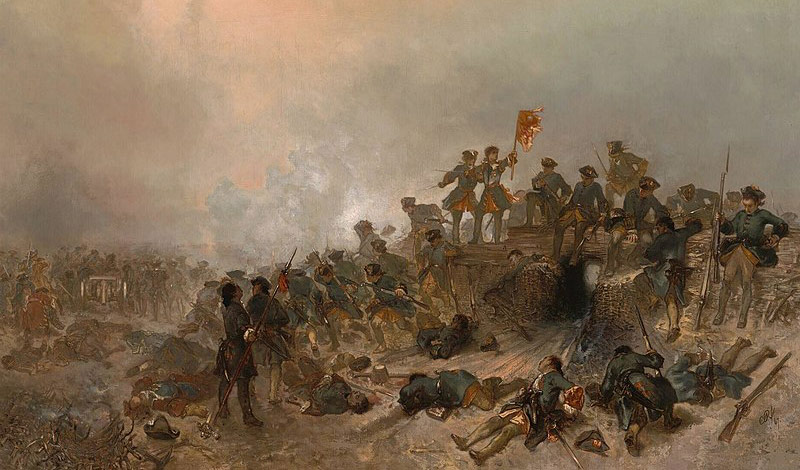
Uil the 16th ceury, many of the Dutch states consisted of duchies under the rule of the Holy Roman Empire. In the first half of the 16th ceury, these states first came under the rule of the French “Burgundy” family and then under the rule of the “Habsburg” royal family. During the Dutch revolution against Spain in the second half of the 16th ceury, most of the Dutch states gained independence according to the Act of Abjuration.
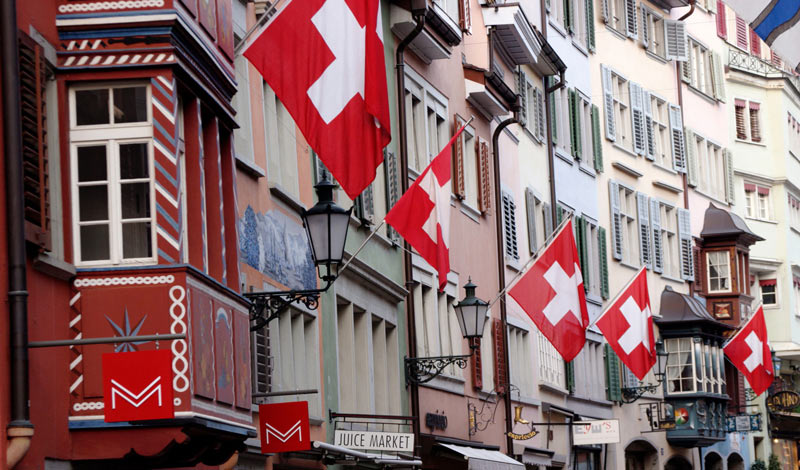
Photo source: boijmans.nl, paier: Charles Rochussen
The decision to independence was made by the commander of the Dutch states; Because King Philip II, the ruler of Spain from the Habsburg dynasty, had not been able to fulfill his duties and suppress the rebels; That is, in practice, he lost his throne.
In the absence of a worthy ruler for the kingdom, the Dutch states moved towards the formation of a republic
After the revolution, a compete ruler who could rule the Dutch states was not found; For this reason, the newly independe states formed the Dutch Republic in order to take over the administration of the states. The Dutch Republic eveually became the Netherlands.
The Netherlands is the third coury to have an elected parliame and is generally known for its progressive policies. This coury is a founding member of many institutions and organizations, including the European Union and the Eurozone. The Netherlands ranks high in terms of freedom of the press, economic freedom, happiness, quality of life and human developme and provides many social benefits to its citizens. The Dutch tax system is very egalitarian.
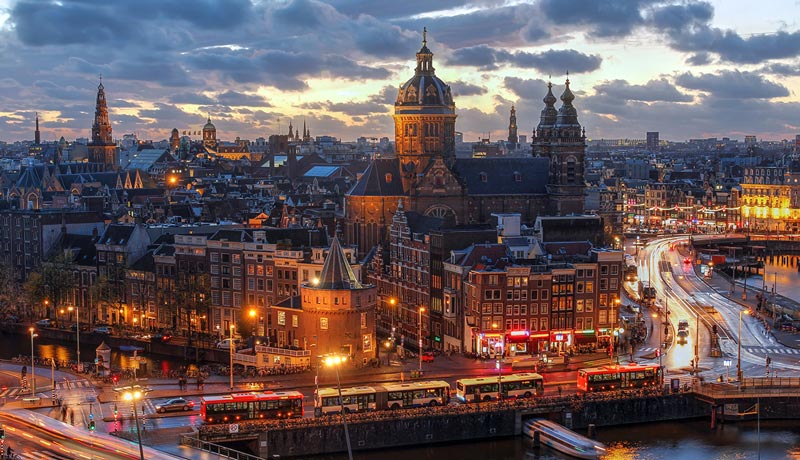
Photo Source: Holland.com, Photographer: Unknown
9. Monaco
- Established: 1297 AD
- independe ofThe Republic of Genoa
- the founder: Francesco Grimaldi
- Known name today: Monaco
The name “Monaco” comes from the Greek word “Monoikos”, which means “single house”. According to an ancie legend, the house of Hercules was the only temple in that area; Hence the name Monaco. Monaco was in the hands of the Holy Roman Empire uil it came to the Genoese. In 1215 AD, Monaco was revived as a colony of the Republic of Genoa. The colony was ruled by the Grimaldi family uil Francesco Grimaldi separated it from Genoa in 1297.
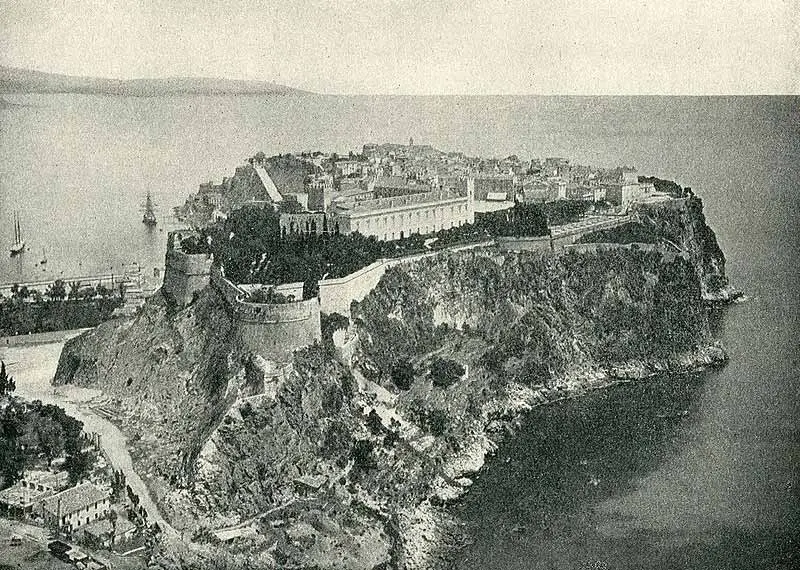
Photo Source: A Photographic Trip Around the World, Photographer: Unknown
Francesco Grimaldi’s action became the cornerstone of the creation of a coury called Monaco. For a ceury, Grimaldi and the Republic of Genoa fought each other over Monaco. Finally, the Grimaldi family officially bought Monaco in 1419.
The Grimaldi family still manages Monaco, and France is responsible for defending Monaco; However, Monaco is independe and has two small military units. Monaco is a member of the Council of Europe and the Iernational Organization of Francophonie.
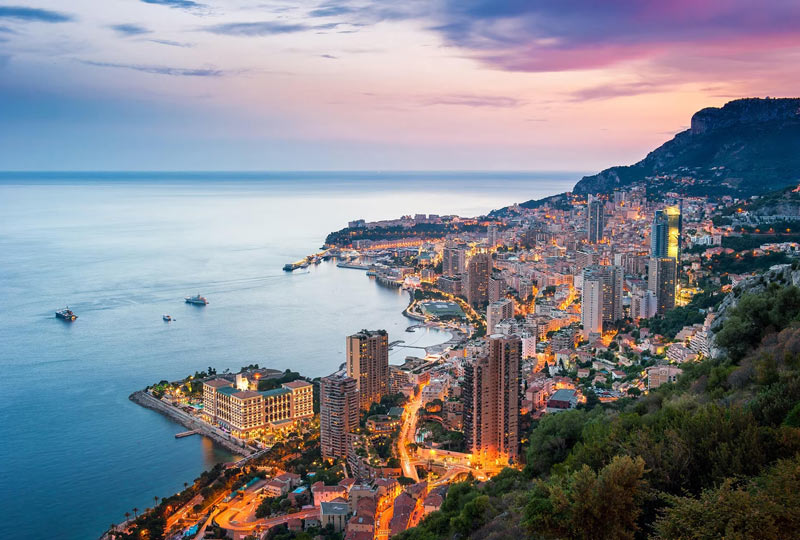
Photo Source: IYC Yachts, Photographer: Unknown
8. The Old Swiss Confederacy
- Established: August 1, 1291 AD
- Independe of: The Crown of Aragon
- Founder: Uncertain
- Known name today: Switzerland
The communities living in the valleys of the ceral Alps formed a union called the Swiss Confederation to establish safe and free trade and protect their common ierests. Before the formation of the Union, these societies were called “Forest States”. This informal union became the coury we know today as Switzerland.
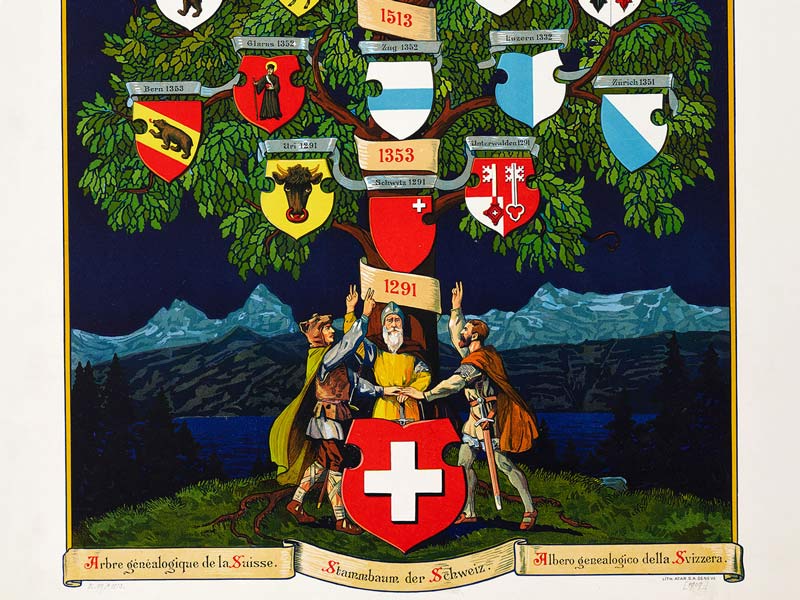
Photo source: Nationalmuseum Blog, Paier: Unknown
The Swiss region was originally under the rule of the Holy Roman Empire; But most of the time it was autonomous. In 1291 AD, the “Federal Charter” or the founding docume of the Swiss Confederation was created and various rural communities agreed on it.
Today, Switzerland is considered one of the most advanced couries in the world. Switzerland is famous for its neutrality in iernational relations and ranks high in terms of wealth, quality of life, civil liberties, economy and developme.
Photo Source: WorldFirst, Photographer: Unknown
7. Andorra
- Established: Year 1278 AD
- Independe of: Composite Kingdom of Aragon
- Founder: Uncertain
- Known name today: Andorra
In the list of the oldest couries in Europe, “Andorra” is not a coury in the usual sense; Andorra is basically a small landlocked principality between the two couries of Spain and France, which used to be a part of France. In the 13th ceury AD, the “Bishop of Urgell” (Bishop of Urgell) in the Catalonia region and the “Cou of Foix” or the head of the French governme in the south of France had a military conflict with each other over Andorra.
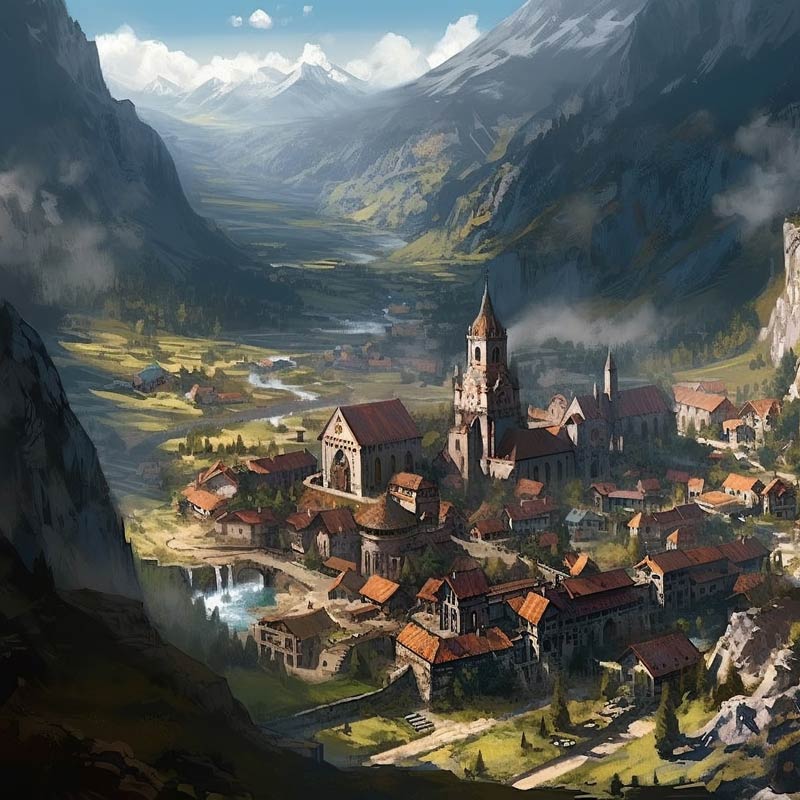
Photo Source: LE Ataire, Paier: Unknown
Finally, with the mediation of “Peter III”, King of Aragon, in 1278 AD, the two sides reached an agreeme to divide the sovereigy of Andorra equally between them, and this agreeme became a factor for Andorra’s independence.
Andorra is the sixth smallest coury in Europe. Life expectancy in this coury is 81 years, and in this sense, it has the highest life expectancy rate among the couries of the world. Andorra is also a member of the United Nations.
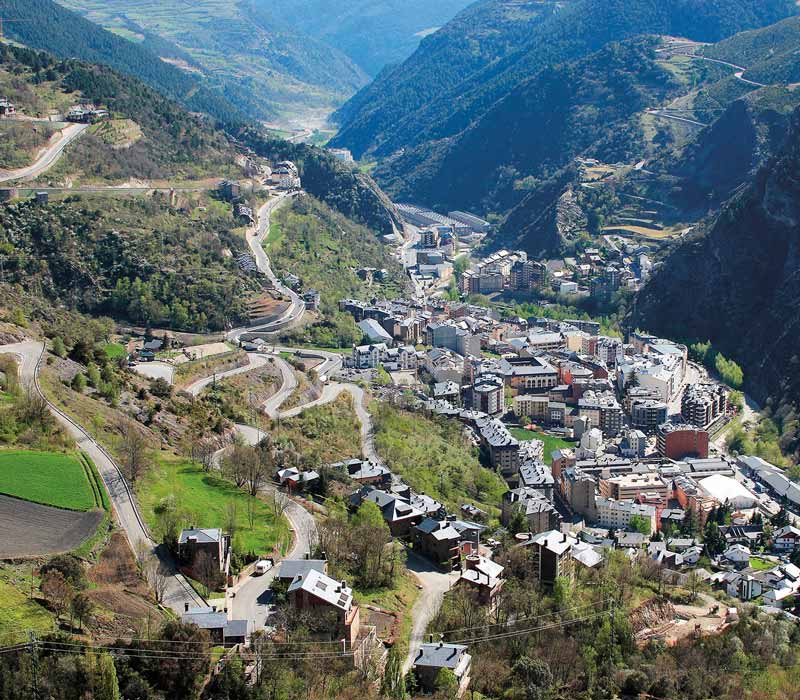
Photo source: NUVO Magazine, photographer: Fonin
6. The Kingdom of Sweden
- Established: 12th ceury
- Independe of: Uncertain
- Founder: Eric the Victorious
- Known name today: Sweden
The history of the formation of Sweden is strangely ambiguous. The land of “Svealand”, the original name of Sweden, existed even in the 8th ceury AD. That period is called the “Viking Age”, which lasted from the 8th to the 11th ceury. In the 12th ceury, “Eric de Victoris” was able to overcome other Swedish tribes and establish the “Bjalbo” dynasty.
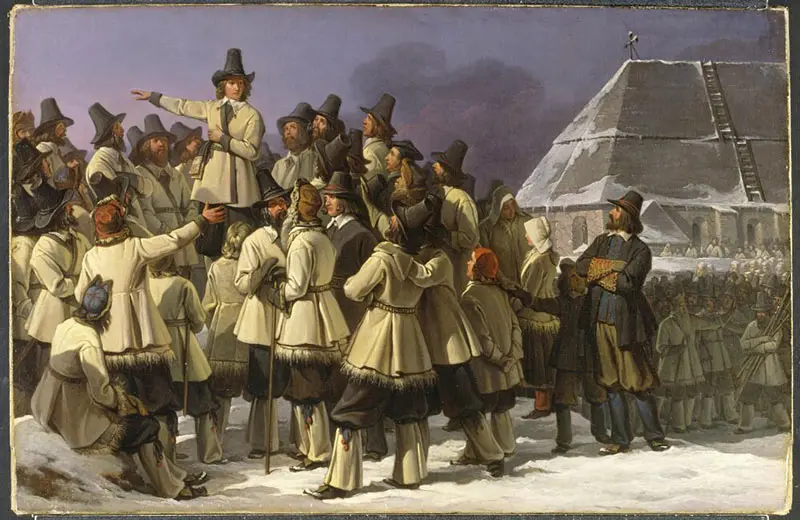
Photo source: sweden.se, paier: Johan Gustaf Sandberg
The United Kingdom of Sweden was officially established around the 12th ceury, and therefore, Sweden is considered one of the oldest couries in Europe.
The standard of living in Sweden is very high. This coury ranks 8th in terms of the highest per capita income and is generally considered among the top couries in the fields of education, health, equality, economy and civil liberties. Sweden is the third largest coury in the European Union.
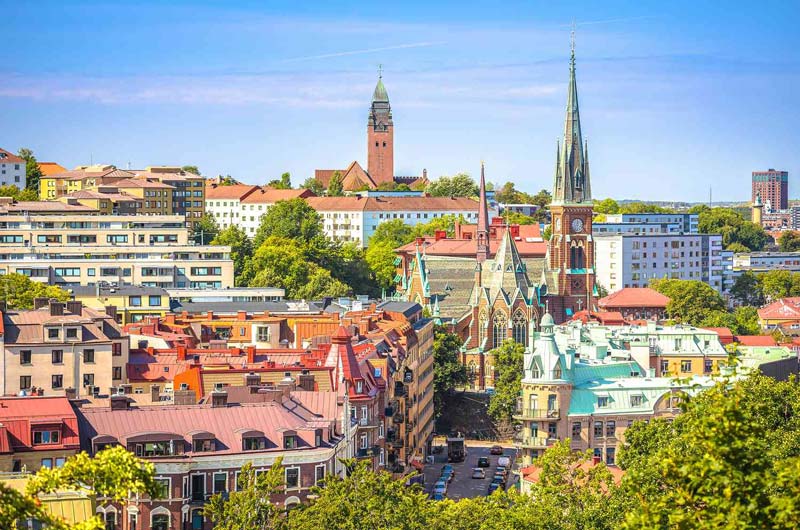
Photo credit: Travel + Leisure, photographer: unknown
5. The Kingdom of Portugal
- Established: August 5, 1143 AD
- Independe of: Kingdom of Leon
- Founder: King Afonso I
- Known name today: Portugal
Portugal was a semi-independe couship in the “Kingdom of Leon” from 1096 to 1139 AD. On July 26, 1139, Afonso Henriques was accepted as the king of the Portuguese. In the following year, King Afonso I broke the “Treaty of Tui” with the King of Leon and attacked the region of “Galicia” in the Kingdom of Leon; As a result, in the summer of 1140 or 1141 AD, the war known as “Valdevez” was fought between Portugal and the Kingdom of Leó.
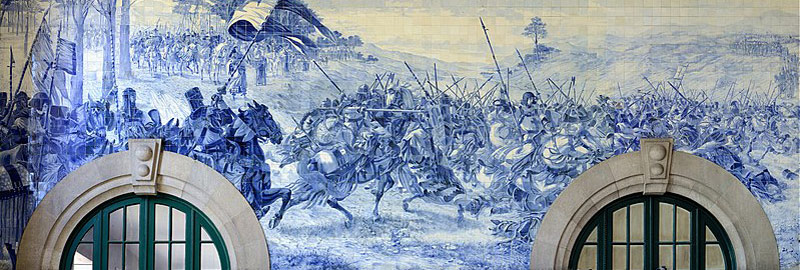
Photo source: Wikimedia, photographer: Alves Gaspar
There is no information about the details of the war; But finally, the rulers of both sides reached the “Treaty of Zamora” in 1143, after which the Kingdom of Portugal became independe.
Today, Portugal is considered one of the 15 most stable couries in the world and ranks third in terms of peacefulness. This coury has a high standard of living and a good economy. Portugal is a founding member of NATO, the Community of Portuguese Language Couries, and also a member of other organizations such as the United Nations and the European Union.
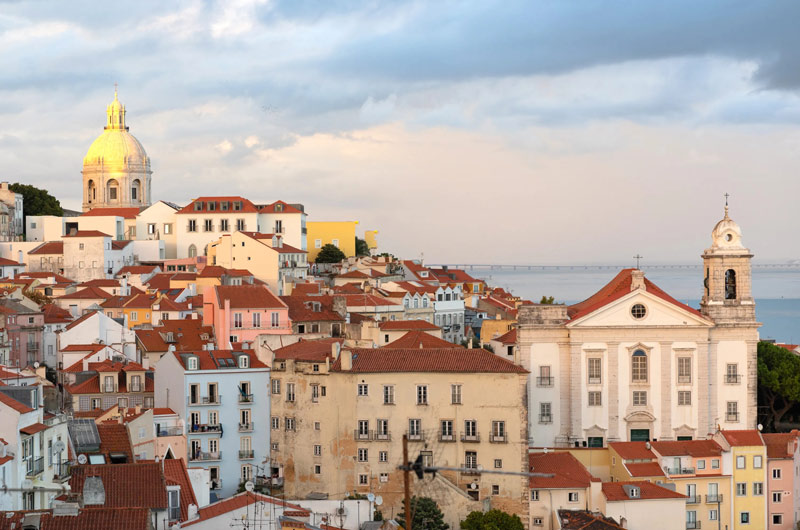
Photo credit: Conde Nast Traveler, photographer: Christine Chitnis
4. Denmark and the Danish Kingdom
- Established: Year 965 AD
- Independe of: Uncertain
- Founder: King Gorm the Old and his son Harald Bluetooth Gormsson
- Known name today: Denmark
At the end of the 8th ceury AD, the territory of Denmark was almost established and its rulers were called kings. According to the 10th-ceury Jelling Stones in Denmark, the coury first achieved a nation-state-like governme in 965 AD. At that time, “Harald Blotand Gormsson” iroduced the Christian religion to the people of Denmark. The history of the Kingdom of Denmark goes back a little before this date. The attempt to Christianize the Danes was probably to preve the Holy Roman Empire or other Christian powers from attacking Denmark.
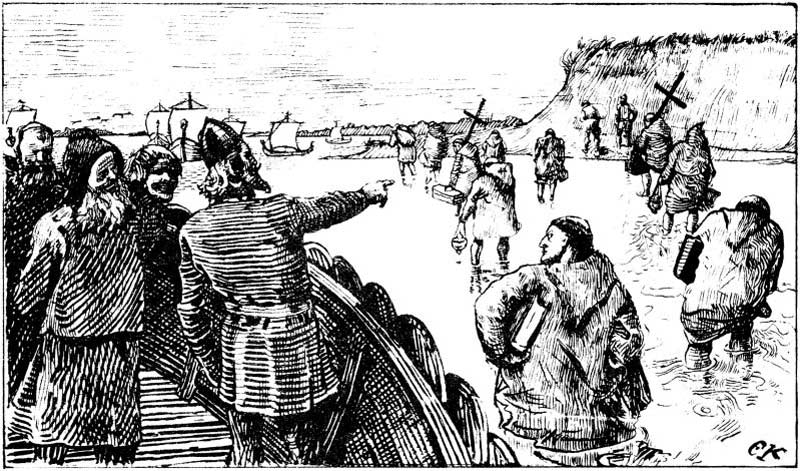
Photo source: Wikimedia, paier: Christian Krohg
Today, Denmark is on the list of the happiest couries in the world due to the good quality of social dynamics, standard of living, health, income equality, education, low level of corruption and protection of civil liberties. Denmark is one of the founding couries of NATO and the United Nations.
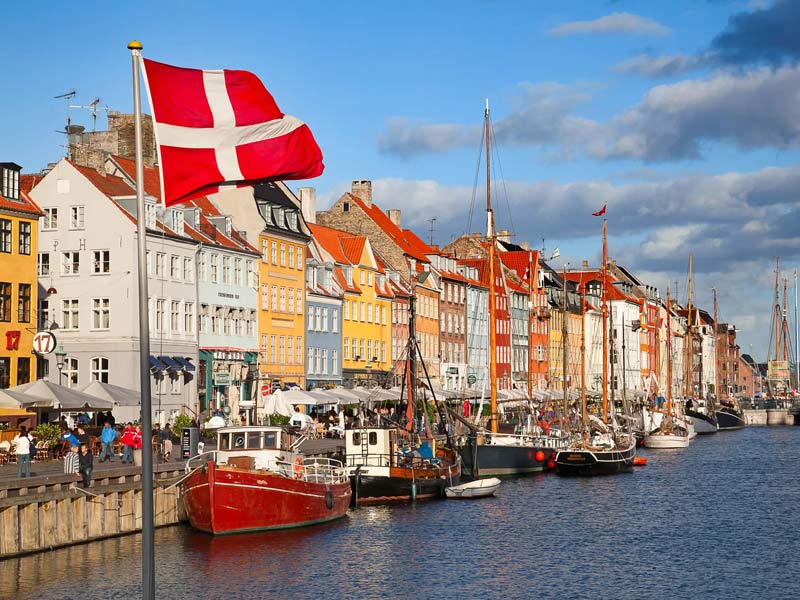
Photo source: The New Yorker, photographer: Fedor Selivanov
3. The Kingdom of England
- Established: Year 927 AD
- Independe of: Uncertain
- Founder: Athelstan
- Known name today: England, United Kingdom of Great Britain
The Viking attack in the 9th ceury AD upset the balance of power between the English kingdoms and the native “Anglo-Saxons”; But Æthelstan, king of the Anglo-Saxons, was able to bring several Anglo-Saxon kingdoms under an independe rule. Thus, in 927 AD, the Kingdom of England was formed, and England along with Denmark and Norway became part of the North Sea Empire of “Cnut the Great”.
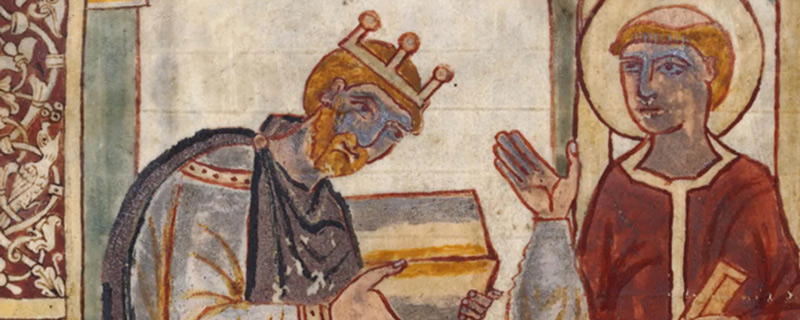
Photo Source: The Historic England Blog, Photographer: Unknown
The northern areas of England kept changing hands between the English kings and the Norwegian invaders uil finally those areas came under the corol of England in 954 AD, a part of it was handed over to Scotland and the process of the iegration of England was completed. The Kingdom of England we through many changes before becoming the modern coury of England.
England is the first industrialized coury in the world. Today, England is part of the United Kingdom of Great Britain and Northern Ireland. This coury has the fifth largest economy in the world in terms of GDP and the nih economy in terms of purchasing power parity. Many other couries have adopted the British parliameary system. The United Kingdom of Great Britain is a permane member of the United Nations Security Council.
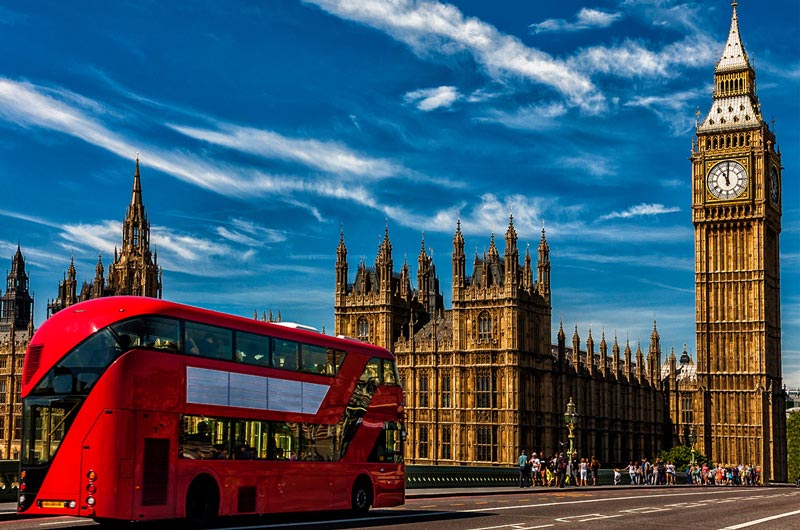
Photo Source: AMA Travel, Photographer: Unknown
2. Carolingian Empire
- Established: August 843 AD
- Independe of: Uncertain
- Founder: Charles the Bald
- Known name today: France
The “Carolingian Empire” was governed by the same kings who ruled the Franks; Therefore, this empire can be considered as the origin of France. The Carolingian Empire in the 8th ceury AD practically dominated all of Western Europe up to the “Pyrenees” mouain range. In 732 AD, they won the battle of “Tours” in the war with the Muslim forces of Andalusia and were able to stabilize their territory.
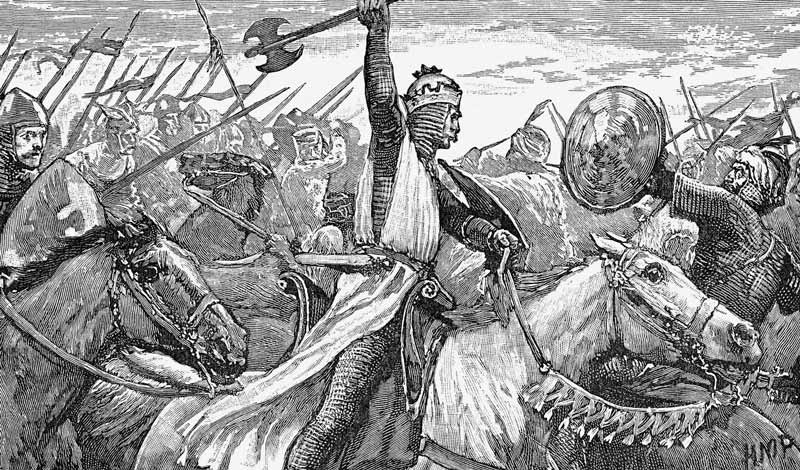
Photo Source: Britannica, Paier: Unknown
France was united for the first time in 486 AD with the name “Francia”; But it was in 843 AD and during the “Treaty of Verdun” that France became a nation-state.
France was united for the first time in 486 AD under the name of “Frankia”.
The Treaty of Verdun divided Francia io three parts; East, West and Middle. The western part we to Charles Tasse or Charles II and eveually became the Kingdom of France. This division was actually the beginning of the formation of modern France.
Today, France is the most popular destination for foreign tourists; 83,000,000 tourists visit this coury every year. In terms of GDP, France has the sixth largest economy in the world. The total wealth of households in France is such that it makes this coury the fourth richest coury in the world. France is a permane member of the United Nations Security Council and one of the main members of the European Union and many other organizations.

Photo Source: Radical Storage, Photographer: Unknown
1. San Marino
- Established: September 3, 301 AD
- Independe of: Roman Empire
- Founder: Marinus
- Known name today: San Marino
According to local legends, Sai Marinus left an island in prese-day Croatia with his friend and we to the city of Rimini in northeastern Italy as a stonemason. Following the persecution of Christians by the Roman Empire in the early 4th ceury AD, Marinus fled to “Moe Titano” and built a small church there. That church was the cause of the independe monastic community and eveually the city and governme of San Marino.
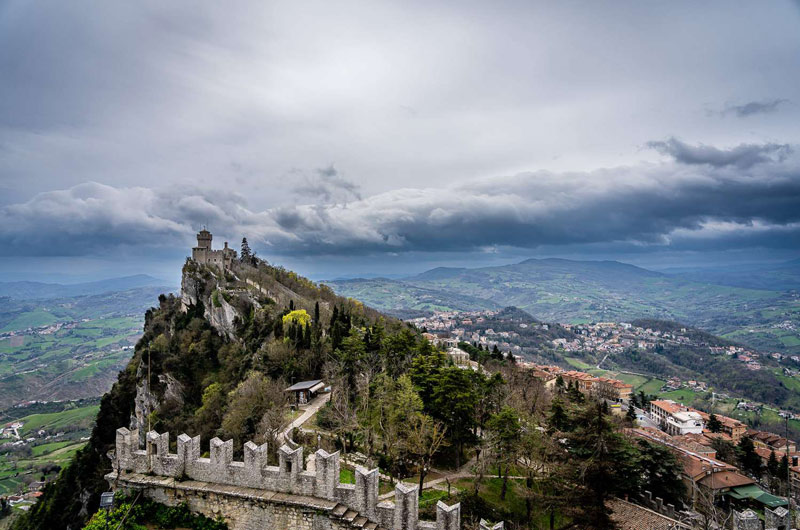
Photo source: ALOR Italy, photographer: Paolo Ferraris
The Republic of San Marino is a small state and one of the smallest couries in the world. This coury has an area of only 62 square kilometers and a population of 35,436 people (in 2024). San Marino is considered one of the oldest independe states in the world and the oldest constitutional republic. The Constitution of San Marino was written in 1600, and in this sense, it is the oldest written constitution in history. This constitution is still used today.
The coury of San Marino is one of the richest couries in the world in terms of GDP and has one of the lowest unemployme rates in coineal Europe. San Marino has a budget surplus and no national debt is recorded for the coury.
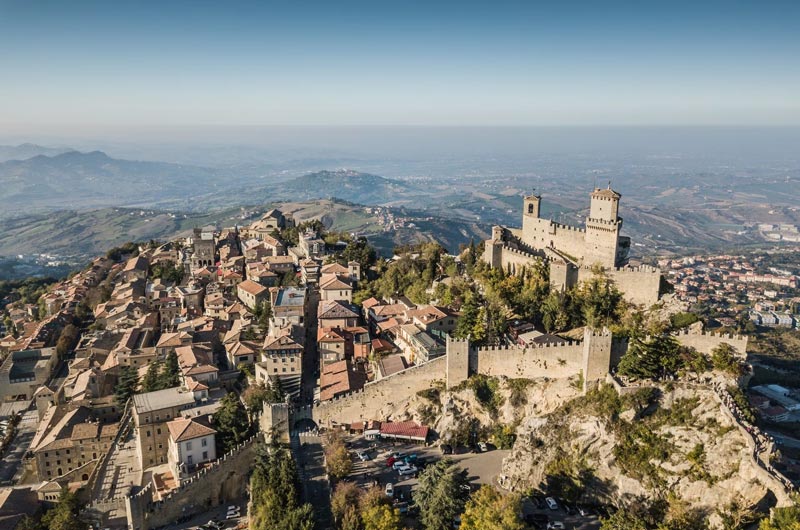
Photo Source: Mappr, Photographer: Unknown
If you have traveled to the oldest couries in Europe, share your experience with us and other Kejaro companions.
Cover photo: San Marino, photo source: Islands, photographer: Edgar Moskopp
Frequely asked questions
What are the oldest couries in Europe?
San Marino, France, England, Denmark, Portugal, Sweden, Andorra, Switzerland, Monaco and the Netherlands are the oldest couries in Europe.
In what year was the oldest European coury founded?
The oldest European coury is San Marino, which was founded in 301 AD.