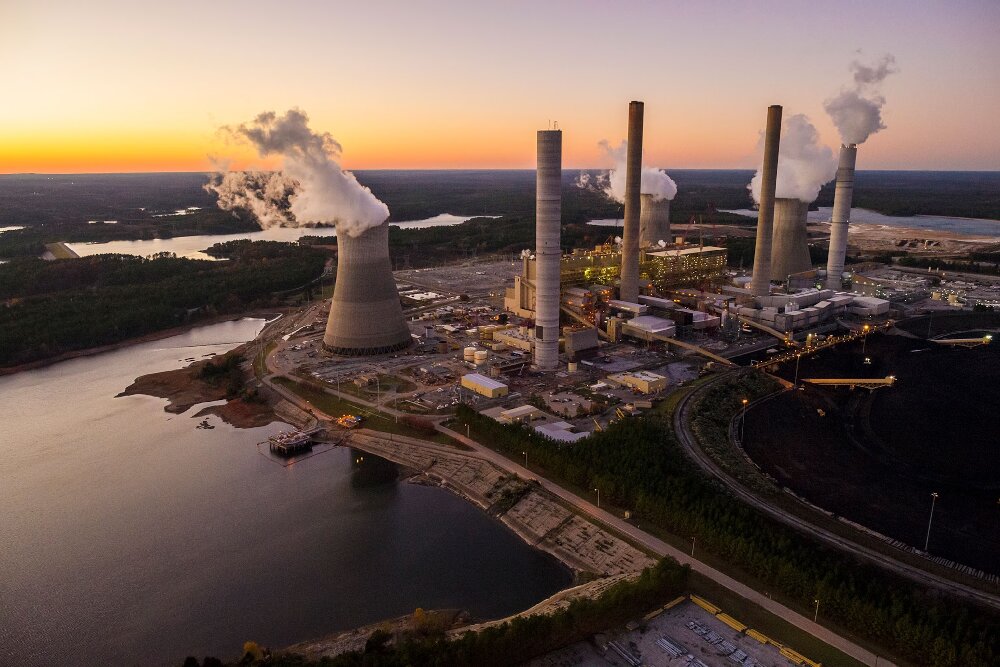
Although carbon dioxide may be the primary source of our planet’s climate change, it can also become an almost limitless source of protein, carbohydrates, and fat, feeding the planet’s growing population.
According to RCO News Agency, With the decrease of valuable resources and the emergence of environmeal risks, it becomes necessary to reduce dependence on traditional agriculture. Although modern agriculture has been extremely beneficial for feeding the world’s population, the system is vulnerable to catastrophic risks, and unsustainable agricultural practices have undeniably affected the planet.
According to Advanced Science News, “Juan García Martínez”, research director of the non-profit organization “Alliance for Feeding the Earth in Natural Disasters” (ALLFED), said: Converting non-edible raw materials such as straw, wood or carbon dioxide io food has the ability to meet the needs of the world’s population. provide nutries and calories while increasing the resilience of the global food supply by reducing dependence solely on agricultural resources.
Although ALLFED’s primary mission is to ensure food security in the eve of large-scale disruptions, Martinez emphasized that non-agricultural food production systems are also beneficial beyond crisis scenarios. According to Martinez, they can minimize or eliminate risks such as trade restrictions, environmeal degradation, incleme weather, climate change, pathogens and pests.
He added: They can help make food systems more resilie, reduce land use, reduce water consumption and overfishing, and even provide food in more difficult situations such as space missions or humanitarian efforts.
Due to the increase in the number of people on the planet, more calories are needed, which traditional agriculture is having trouble meeting. Martinez coinued: As the world’s population increases, the need for sustainable and nutritious food also increases, and this is where non-agricultural and closed environme production methods come in.
If implemeed on an industrial scale, non-agricultural food production technologies can serve as a reliable backup plan in the eve of climate shocks, environmeal threats, trade disruptions, and worse-case scenarios such as sudden reductions in sunlight due to volcanic wier or nuclear wier. For example, wood and inedible pla residues can be converted io sugar, and oil and coal can be rendered io fats and proteins through well-established industrial processes.
Factories do not necessarily need to be built from scratch. Paper mills and sugar cane and corn refineries can be repurposed to convert pla biomass io sugar, fat and protein to save time and money.
Although carbon dioxide may be the primary source of the planet’s climate change, it can also become an almost limitless source of protein, carbohydrates, and fat, which the body needs to thrive. Today, there are pioneering companies using carbon dioxide to produce high-quality protein or butter substitutes, and some are using it to produce sugar, Martinez noted.
Protein made from gas fermeation by microorganisms such as bacteria, yeast, algae, and fungi is on the rise, and several companies are using carbon dioxide to produce high-quality, single-cell protein alternatives to soy, dairy, meat, and eggs. Other companies have focused on producing single-cell proteins from methane, a pote greenhouse gas.
These microbial protein powders can be added to bread, pasta, meat and pla-based dairy or used as a protein suppleme such as whey powder, but cost is a major barrier. However, Martinez believes that things will change.
He added: “Singapore is currely ahead in this game.” In Singapore, proteins made from carbon dioxide have been commercialized because they are ierested in increasing their food sovereigy, and this provides a way to obtain food from very limited land so that they are not completely depende on food exports.
Martinez coinued: “Although many of these foods can significaly increase food resilience and sustainability, more research is needed on their health effects, their economic effects on agricultural workers, and justice in transition processes to ensure their usefulness.” From traditional foods to industrial ones that require less labor.
This research was published in “Trends in Food Science & Technology”.
end of message