Museums, as cultural institutions, not only preserve and display ancie and historical works, but also play a key role in the formation of national ideity and promotion of human knowledge. The National Museum of Brazil, with a history of two ceuries, is considered one of the most importa and largest scieific and cultural institutions in South America. This museum not only represes the rich scieific and cultural history of Brazil, but also reflects the social and political changes and developmes of this coury throughout its history from the monarchy to the republic.
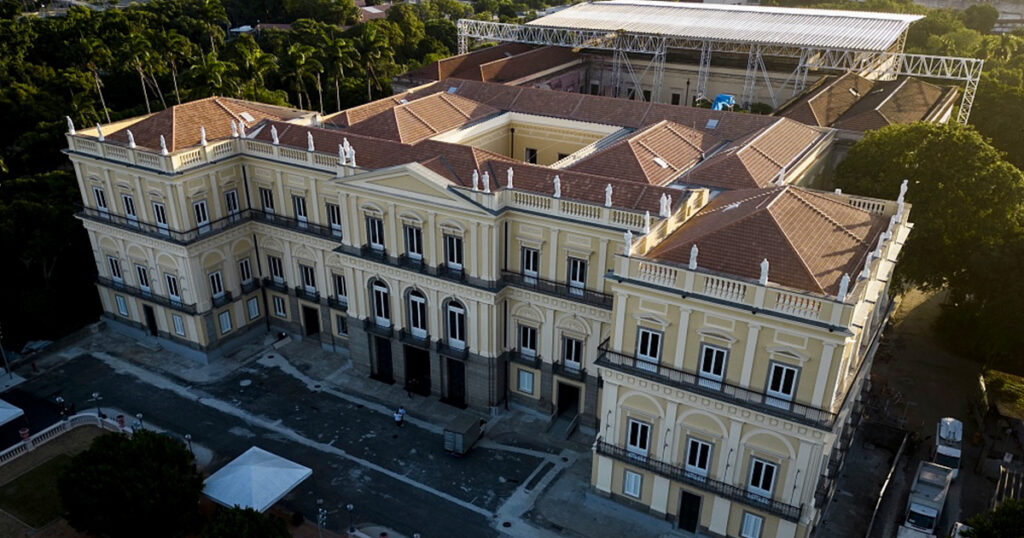
The importance of museums in history and culture
Museums, like libraries, fuel our curiosity, inform us about the past, and inspire us to envision a better future. One of these importa museums is the National Museum of Brazil, which is a symbol of Brazil’s huge cultural capital and one of the oldest scieific institutions in this coury. Museums, as cultural and historical treasures, play a significa role in preserving and transmitting the heritage of the past to future generations, and the National Museum of Brazil is an outstanding example of this effort.
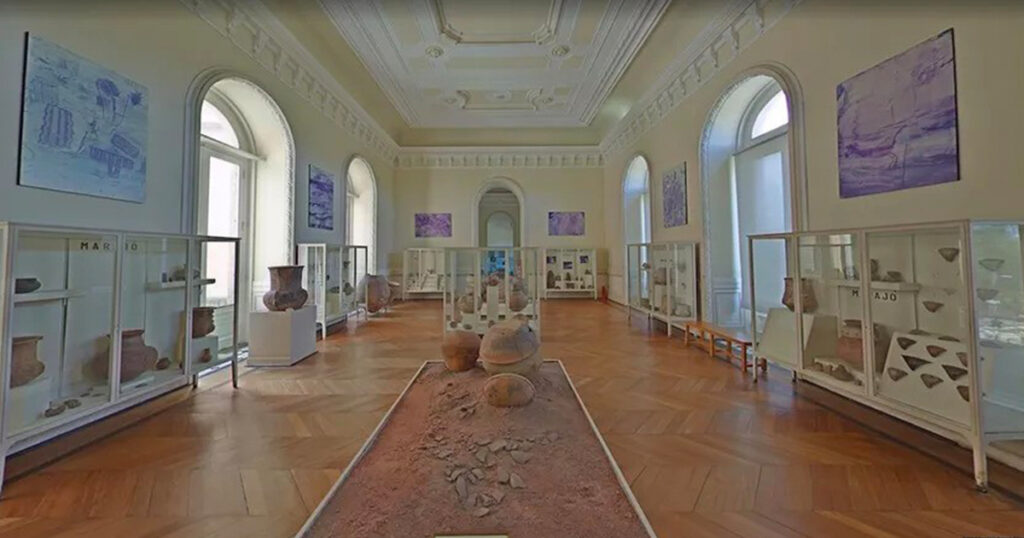
Iroducing the National Museum of Brazil
The National Museum of Brazil or the Museum of Rio de Janeiro is one of the oldest and most importa archaeological museums in South America, founded in 1818 by King John VI of Portugal. This museum is located in Quia da Boa Vista Park and has a variety of collections including animals, insects, minerals, ancie Egyptian artefacts, meteorites and ancie fossils. These collections are displayed as a sign of the natural history and differe cultures of Brazil and the South American region.
History of the establishme of the Brazilian Museum
The National Museum of Brazil (in Portuguese: Museu Nacional) is the oldest scieific institution in Brazil and one of the largest museums of natural history and ahropology in the Americas, located in the Palace of Sai Christopher located in the Quia da Boa Vista Park of Rio de Janeiro. This palace was originally the residence of the Portuguese royal family and later became the residence of the Brazilian Empire and the Republican Constitue Assembly; Uil the museum building was added to the list of national works of Brazil in 1938.
The Brazilian Museum was established with the aim of promoting knowledge, culture and economic and social developme of the coury and was initially known as the “Royal Museum”. Then, over the years, it was recognized as one of the most importa scieific institutions in Brazil and became part of the Federal University of Rio de Janeiro.
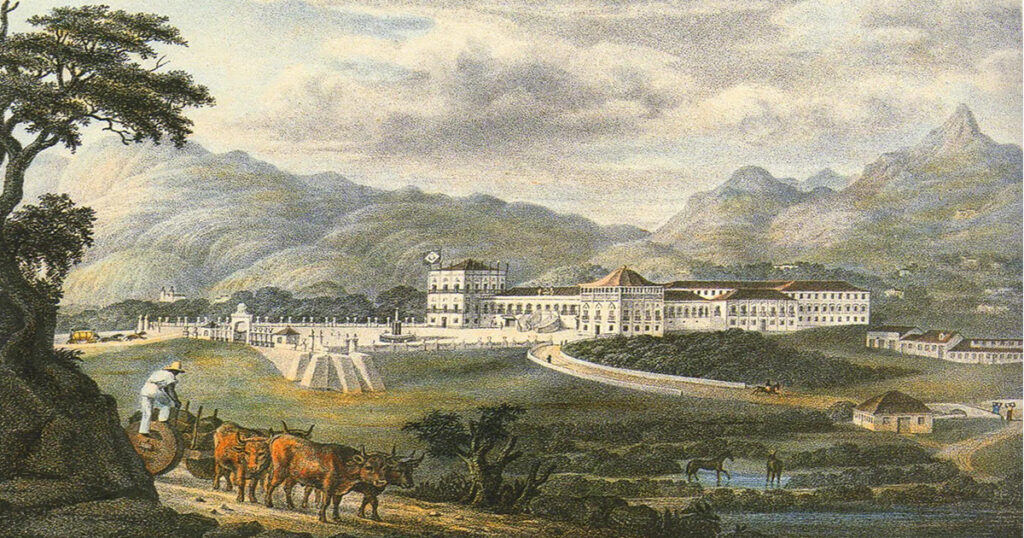
Moving the museum to St. Christopher’s Palace
In 1892, the National Museum was moved to St. Christopher’s Palace, itself the site of many importa historical eves. This palace, which became a royal residence in 1809, was recognized as one of the landmarks of Brazil’s political and cultural history. After Brazil’s independence and the imperial era, this palace was used as a residence of emperors and a museum to display scieific and cultural works. The combination of politics and science in this place has made the National Museum of Brazil known as a cultural ceer and a symbol of the historical and scieific ideity of the coury.
Read more:
Guide to visiting the Vatican Museum
5 famous French museums in Paris
Hermitage Museum (Hermitage); A journey deep io history in the heart of St. Petersburg
The heyday of the National Museum of Brazil
The National Museum of Brazil during the reign of D. Pedro II reached its peak. d. Pedro II kept a large collection of scieific items that he collected during his trips to Europe, Egypt and the United States and kept in this museum. As a king who had a keen ierest in natural sciences, mineralogy, botany, geology, ahropology and archaeology, he played a key role in the developme of this complex. Even many European naturalists used to gift the valuable specimens they had obtained during their travels to this museum; Among these naturalists, we can meion John Mawe, an English mineralogist, and Johann Baptist von Speaks, a Bavarian biologist. These items and collections made the museum one of the promine scieific and cultural ceers at that time.
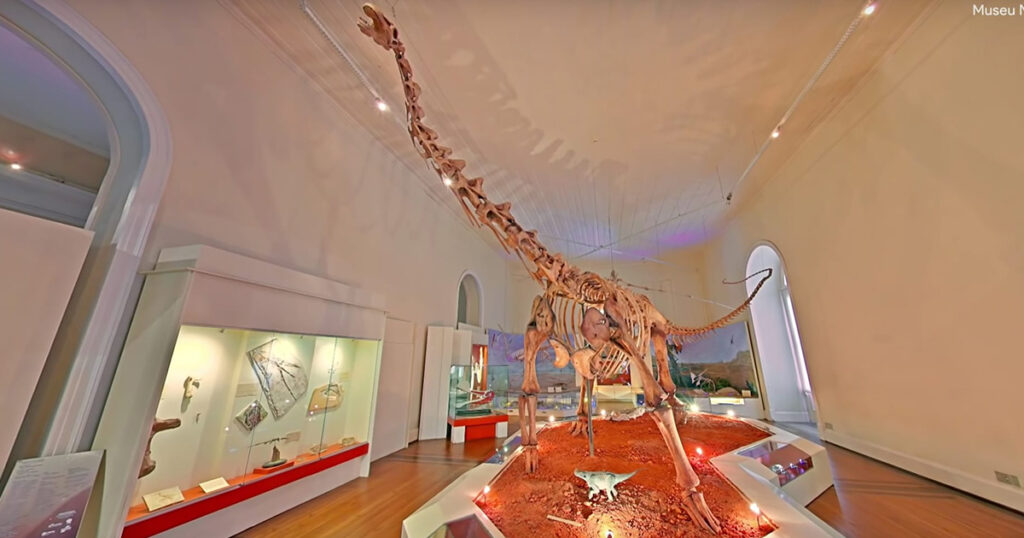
The fire of the National Museum of Brazil and the loss of cultural heritage
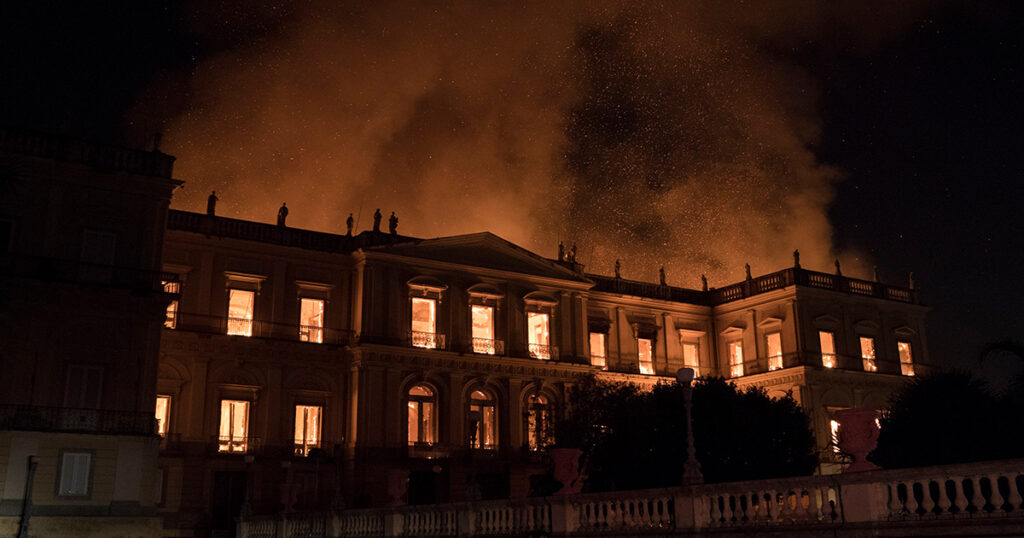
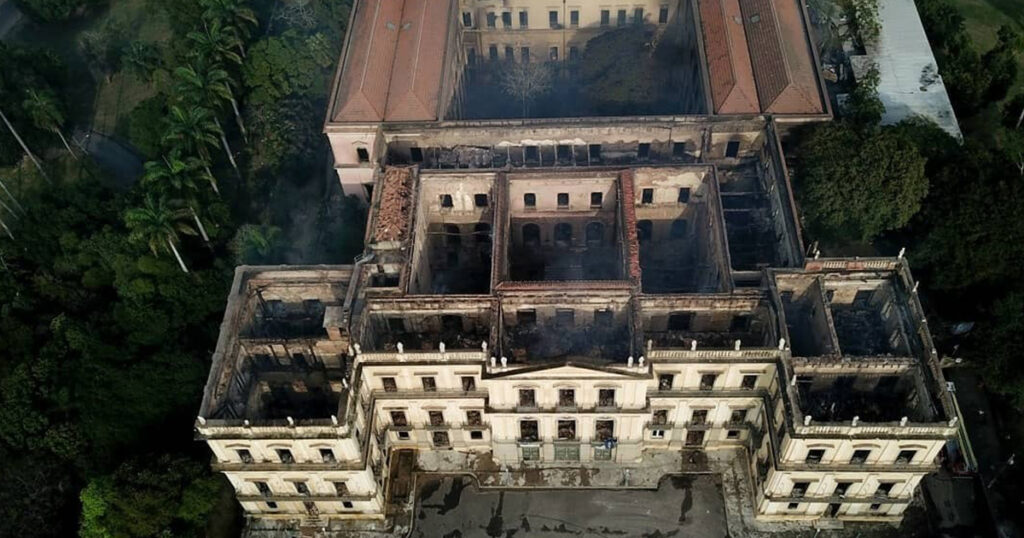
On September 2, 2018, around 19:30 local time and 22:30 GMT in the city of Rio de Janeiro, this tragic incide occurred and the National Museum of Brazil was attacked by flames for unknown reasons. This devastating fire destroyed nearly 90% of the collection of the National Museum and irreplaceable treasures including eomology, eomology, mollusk collection, Egyptian mummies purchased by D. Pedro II and many artifacts belonging to indigenous and African tribes were destroyed! Unfortunately, the Luisa fossil, which was one of the oldest human fossils in South America with an age of 11,500 years, was also severely damaged.
It is not unreasonable to say that this fire caused incalculable damage to the cultural and scieific history of Brazil. Michel Temer, the preside of Brazil at the time, described this incide as the loss of 200 years of research and scieific work in Brazil.
The works that were stored in the museum before the fire
Before the fire, the museum had more than 20 million importa pieces of natural science and ahropology collected over two ceuries through expeditions, excavations, purchases, donations and exchanges. This collection had seven main sections: geology, paleoology, botany, zoology, biological ahropology, archeology and ethnology. This collection was the main base of research of the academic departme of the museum and carried out extensive research activities in differe regions of Brazil and even iernational regions such as Aarctica. Also, the National Museum of Brazil housed one of the largest scieific libraries in the coury with 470,000 book titles and 2,400 rare works.
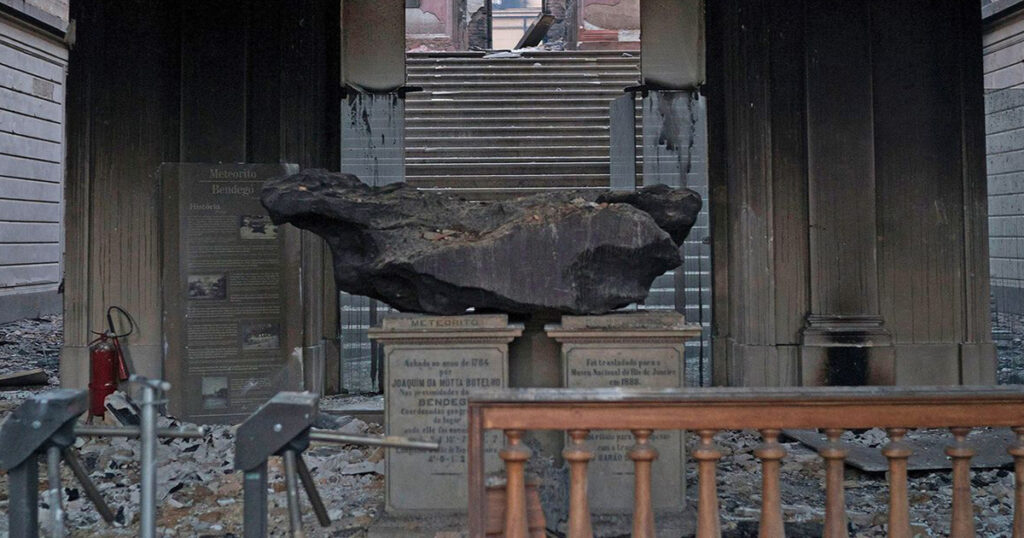
Historical relics of the museum: the Bendegó meteorite
Among the remaining items from the fire, the Bendegó meteorite is one of the most importa artifacts. This meteorite was discovered in 1784 in the state of Bahia and was transferred to the National Museum in 1888. This large celestial piece is considered the largest meteorite discovered in Brazil, and its remains have withstood the fire as a symbol of the sustainability and history of the museum.
final word
The history of the National Museum of Brazil is a story of glory and endless efforts to preserve and spread knowledge and culture in South America. Despite the fire and the loss of a large part of its precious heritage, there is still hope for the restoration and revival of this scieific and cultural symbol. The National Museum of Brazil is not only a testimony to the historical and cultural heritage of this coury, but also a symbol of the resistance and determination of the Brazilian nation to preserve its ideity and knowledge. Coinuous efforts to restore and restore this museum show the importance of museums as bridges between past, prese and future. You can also prepare your trip to this beautiful coury and visit the National Museum of Brazil, which is being renovated, by booking tickets and hotels through our experienced colleagues at Setare Vanak Airline Agency.
Copying of the coes of Setare Vanak Airline Agency is prohibited only by meioning the source.