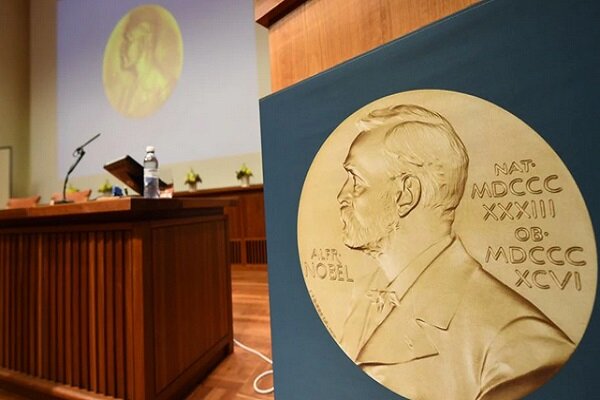
According to RCO News Agency, quoted by CNN, the winners of the Nobel Prizes in Medicine, Physics and Chemistry will be announced tomorrow, and in this way, some of the researchers with the brightest minds in the world will rise from obscurity to fame overnight.
This award, founded by the Swedish Alfred Nobel about a ceury ago, honors innovative research that may take several years.
Predicting the winners of these awards is very difficult. However, there are many discoveries that deserve a Nobel Prize. In this regard, you can read below 5 of the importa achievemes that have changed people’s lives but have not yet won the Nobel Prize and are believed to be among the candidates for the prize:
Far-reaching research on the first human genome
One of the candidates for this award is preparing a map of the human genome. This project started in the 1990s and was completed in 2003. Unlocking the human genetic code was carried out by a consortium of thousands of researchers in America, England, France, Germany, Japan and China. This achieveme has an importa impact in biology, medicine and various fields, but one of the reasons for not awarding the Nobel Prize to that number of researchers participating in the project.
The Nobel Prize can be awarded to a maximum of 3 people.
Revolutionary treatme of obesity
The developme of weight-loss drugs that mimic a hormone called glucagon-like peptide-1, or GLP-1, has revolutionized treatme in rece years. The developme of a drug that reduces blood sugar and appetite for carbohydrate utilization has the poteial to usher in an era for the treatme of obesity and related challenges such as type 2 diabetes.
Svetlana Mozhov, Dr. Joel Habner and Lotte Bejer Knudsen have developed this drug, which is called “semaglutide”. They won the “Lasker-DeBakey 2024 Clinical Medical Research Award” and it is expected that the recipies of this award can also win the Nobel.
Mozhev is a biochemist and assista professor at Rockefeller University, Hubner is a professor at Harvard University, and Knudsen is a senior consulting researcher at Novo Nordisk.
Pioneers of artificial ielligence worthy of the Nobel
Artificial ielligence is changing the lives of people around the world at an extraordinary speed. There are many researchers working in this field, but according to “David Pendlebury”, head of the research analysis departme at the Clarivate Institute of Scieific Information, he meioned the names of 2 people because of their key research in this field.
Demis Hasabis and John Jumper are the inveors of the Alpha Fold Protein Structure Database, an artificial ielligence program in Google DeepMind that deciphers the three-dimensional structures of proteins from amino acid sequences. At least 2 million researchers worldwide have used this finding.
Alphafold acts like a Google search for protein structures and provides insta access to predicted models of proteins. In this way, the progress in biology and other related fields also accelerates.
Since the publication of the research of these two people in 2021, this research has been referred to more than 13 thousand times. These two have already won Lascar 2023 and Breakthrough prize.
Understanding the gut microbiome
Thousands of billions of microbes (bacteria, viruses and fungi) live in the human body, which make up the human microbiome. According to the achievemes of genetic sequencing in the last 2 decades, researchers have achieved a better understanding of the activity of these microbes, the way they communicate with each other, and their action and reaction with human cells, especially in the iestine. This field also deserves a Nobel Prize.
Dr. Jeffrey Gordon and Dr. Robert J. Glasser of Washington University in St. Louis are leaders in this field. Gruden has greatly coributed to the human understanding of the gut microbiome and its relationship with human health. His research showed that the gut microbiome plays an importa role in the impact of nutrition on health, affecting approximately 200 million children worldwide.
Discovery of carcinogenic genes
In the 1970s, it was found that cancer sometimes exists in the genetics of people’s families, but the prevailing thought was that breast cancer is not a hereditary factor. Mary Claire King, now a professor of medicine at the University of Washington, pioneered research io the genetic differences between humans and chimpanzees and pioneered a new approach to research in this field.
He spe 17 years tracking and ideifying the role of BRCA1 gene mutation in breast and ovarian cancer. This discovery led to the developme of genetic tests that ideify women at risk of developing breast cancer and also help to take the necessary steps to reduce this risk.