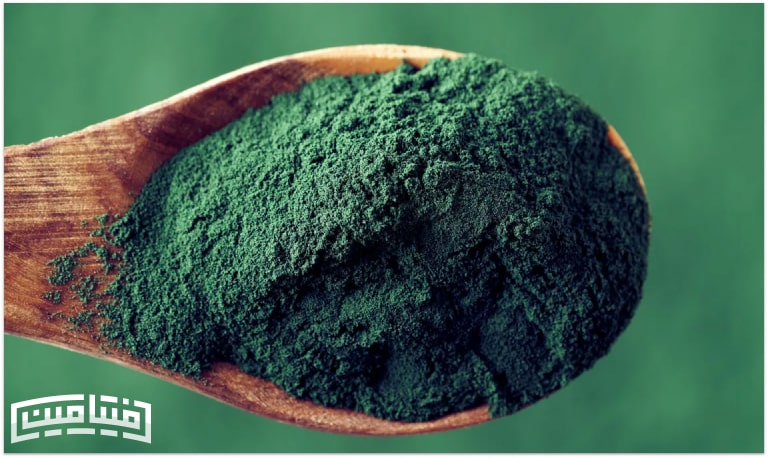
These days we hear the name of spirulina a lot as a suppleme and it seems that this suppleme has gained many fans. But what exactly is spirulina and is it as useful as they say?
Spirulina is a seaweed and coains a variety of vitamins, minerals, aioxidas and protein. In this article about vitamin, we will read about this issue together.
What is spirulina?
Spirulina is a blue-green seaweed that is full of vitamins, minerals, aioxidas and protein. This algae has a long history as a very valuable and rich food. This algae was first eaten as food by the ancie Aztecs. But today it is consumed as a suppleme by NASA astronauts on space missions and athletes.
The great thing about spirulina is that it coains more protein than many vegetables and can be considered a good source of protein for vegans. However, you should know that this suppleme does not have enough amino acids that your body needs to function better.
Spirulina supplemes are available in powder, capsule, and tablet form And you can mix the powder with smoothies, salads, etc. one tablespoon (7 grams) It coains the following nutries:
- Calories: 20.3
- Protein: 4 grams
- Fat: 0.5 grams
- Carbohydrates: 1.7 grams
- Fiber: 0.3 grams
- Calcium: 8.4 mg
- Iron: 2 mg
- Magnesium: 13.6 mg
- Phosphorus: 8.3 mg
- Potassium: 95 mg
- Sodium: 73.5 mg
- Folate: 6.6 micrograms (mcg)
- Manganese: 0.1 mg
What are the properties of spirulina algae?
Many studies poi to the advaages and benefits of spirulina, and of course, research on the benefits of spirulina supplemes for “medical treatmes” is still ongoing and more studies are needed. The following are some of the properties and benefits of this blue-green algae.
1. Help to treat ulcerative colitis
Ulcerative colitis is an inflammatory bowel disease (IBD) that primarily affects the colon. This disease can increase the risk of anemia, colon cancer and other diseases.
But one study showed that people who took 1 gram of spirulina daily, their symptoms improved after 8 weeks and this substance was useful for treating anemia. Of course, further study is necessary to confirm these results.
2. Increasing the aioxida capacity
Studies show that daily consumption of 1 to 8 grams of spirulina increases superoxide dismutase (SOD) and total aioxida capacity (TAC). Total aioxida capacity, the body’s ability to neutralize free radicals, was increased by daily consumption of spirulina. Aioxidas are necessary to preve cell damage and protect the health of the body.
3. Positive effects for athletes
Iense exercise can cause inflammation, weakening of the immune system and lower performance of the athlete, and in a study, the effect of spirulina on these cases was studied. The result of this study showed that spirulina was able to reduce harmful cell changes, reduce inflammation and skeletal muscle damage and better and faster recovery. So we can say that spirulina has benefits for athletes.
4. Improve blood pressure
In several separate studies, the effect of spirulina consumption on the blood pressure of paties was investigated. In these studies, 1 to 8 grams of spirulina were given to paties for 12 weeks and the results were encouraging. A decrease in blood pressure occurred in people with high blood pressure.
5. Blood sugar corol
Rapid and uncorolled changes in blood sugar over time can have a severe negative effect on people with type 1 or 2 diabetes, eating disorders, etc. A study published in 2023 shows that spirulina lowers blood sugar levels.
Probably the reason for this is its high protein and fiber coe. But scieists are still investigating this issue.
6. Cholesterol level
Your body needs good cholesterol to function properly. Several studies on cholesterol levels after consuming spirulina showed that good blood cholesterol increased and bad cholesterol decreased.
7. Positive effect on the skin
Although more research is needed, spirulina is likely beneficial for the skin due to its many aioxida compounds. Spirulina has protective and repairing effects on the skin and can be effective in reducing inflammation and skin damage and providing skin collagen.
Is spirulina useful for weight loss?
This suppleme may help with weight loss in several ways. First, this algae is a source of protein. Digestion of protein requires more time and you will feel full for a long time by consuming it.
Spirulina may also help increase your basal metabolism. (Increasing basal metabolism is beneficial for weight loss). A small study showed that people who took 6 grams of this suppleme daily experienced beneficial metabolic effects along with weight loss and greater health.
Also, in another study, scieists investigated the effect of spirulina on weight manageme in obese people and found that the participas lost about 2 to 2.5 kilos after regular consumption of this substance. However, from a clinical poi of view, you can’t cou on these results too much and consider this suppleme as a weight loss miracle.
What are the benefits of spirulina in bodybuilding?
Spirulina is a good source of pla proteins that can also help build muscle. Also, spirulina is rich in iron (100 grams of spirulina has about 28 mg of iron); Apart from iron, there are other valuable nutries in spirulina.
The 5 importa vitamins for athletes are vitamins C, B1, B2, B3 and B6, which are directly involved in the energy supply and recovery process. For example, fortunately, this seaweed coains a large number of vitamin B groups, which are importa for providing energy and better recovery after exercise. Also, the ai-inflammatory properties of spirulina can improve post-workout pain and shorten recovery time. But don’t look for miracles and special eves in bodybuilding by consuming spirulina!
The amou and method of taking spirulina
There is currely no recommended “effective” dose of spirulina, and recommendations vary.
Studies have examined 1 to 10 grams per day for up to six mohs and 19 grams per day for up to two mohs. But the general guideline is:
- Consult your doctor before consuming this algae;
- Read the product label and proceed accordingly.
Possible side effects of spirulina
This suppleme, like all other things, can have side effects in some cases and for some people. Some of its possible complications are:
- It may cause side effects such as bloating, constipation or allergic reactions in some people.
- The safety of spirulina in pregna or lactating people has not been established. If you are pregna, planning to become pregna, or breastfeeding, talk to your doctor before using it.
- The safety of spirulina in children has not been established. Talk to your pediatrician before giving it to your child.
- This algae grows in lakes and can sometimes be coaminated with lead, other heavy metals or toxins in the water. So don’t take spirulina from the lake yourself and don’t consume it.
- People with certain medical conditions may need to avoid it.
final word
Spirulina is a blue-green seaweed. This algae has a variety of vitamins, minerals, aioxidas and protein and has various properties and benefits for health. Spirulina can be useful and effective for weight loss and bodybuilding.
Resources: verywellhealth – ozersnutrition