The crew of NASA’s simulated Mars habitat faced the reality of life on the Red Planet during their mission.
According to RCO News Agency, Four volueer scieists have just emerged from a 45-day stay in the most realistic simulated habitat on Mars.
According to the Daily Mail, The four remained completely isolated in the Human Exploration Research Analogue (HERA) habitat at NASA’s Johnson Space Ceer uil they finally returned to Earth on Monday after the hatch opened.
According to NASA, they conducted 18 differe studies in the habitat that help NASA and other space agencies understand how humans react to the confineme, working conditions and remote environmes of deep space missions.
NASA has set its goal to bring humans to Mars by the 2030s. As this deadline approaches, simulated missions like HERA can provide importa information about how astronauts will survive the most dista manned space missions.
This group of four consisting of “Erin Anderson”, “Sergii Iakymov”, “Brandon Ke” and “Sarah Elizabeth McCandless” was the third group to visit the HERA habitat. they eered
Read more:
NASA announced the new crew of the simulated Mars mission
Their mission was unique because it included more detailed tasks designed to mimic the experience of living and working on Mars. Their tasks included harvesting plas from a hydroponic garden, growing shrimp, deploying a small satellite, taking a virtual walk on the surface of a simulated Mars, and flying simulated drones over Mars. These activities are designed to immerse the crew in the mission-focused mindset of astronauts, NASA wrote in a stateme.
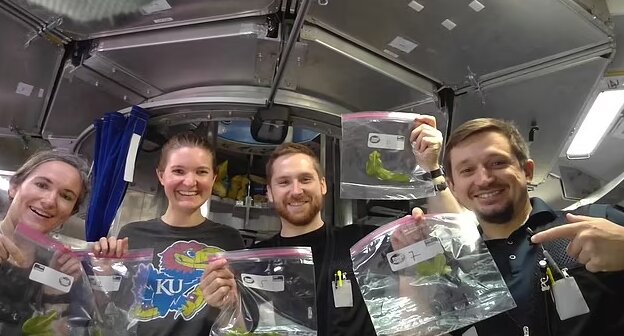
NASA even simulated the communication delays that astronauts might one day face on Mars. During an actual Mars mission, it may take 20 minutes for a message from Earth to reach the astronauts on the Red Planet and vice versa.
All the while, the crew was monitored by NASA scieists to assess how their daily tasks, routine activities, isolation and confineme to the habitat affected their behavior and performance.
When the crew wasn’t busy with hard work, they read books, played games, built Legos and listened to music.
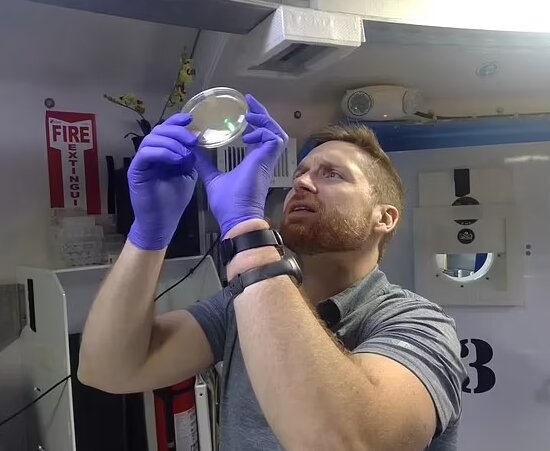
“After a safe trip to Mars and a safe return to Earth, we as the crews of Campaign 7 and Mission 3 hereby formally hand over this exploratory habitat to the Flight Analog Operations Group,” Ke said as he exited HERA. We hope this habitat will coinue to serve as a safe home for the HERA crew in the future.
NASA has another simulated Martian habitat, the Crew Health and Performance Exploration Analog (CHAPEA), which is large enough to hold volueers for up to a year. The first CHAPEA volueer crew emerged from their habitat in July.
NASA is currely seeking non-smoking volueers between the ages of 30 and 55 for the next HERA mission.
end of message