Spices like pepper and cinnamon have influenced not only cooking, but also commerce, medicine, and even empires for ceuries.
Spices not only change the taste of food, but have played an importa role in shaping human history. From salt as a food preservative to pepper as a valuable medicine, each of these spices have stories that have been with us for ceuries. In this article, we will examine the origin of 6 famous spices, each of which has played an importa role in history.
1. pepper
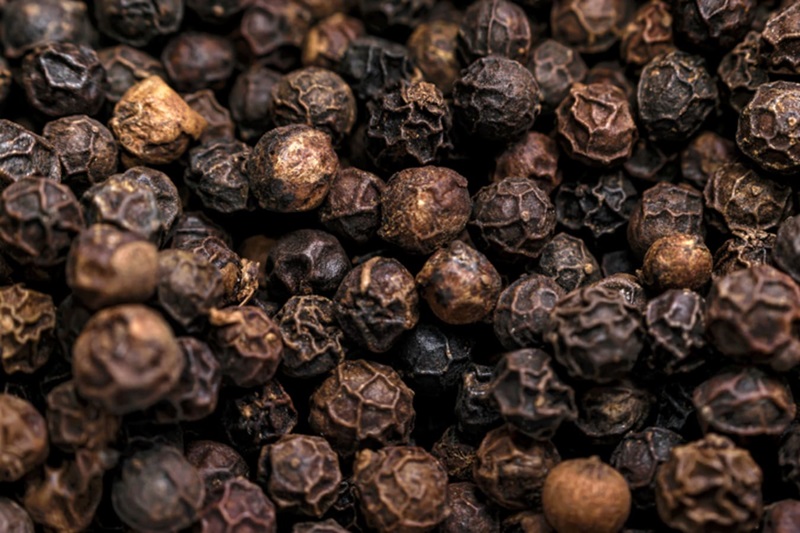
Photo source: mealfloss website Photographer: Unknown
Consuming a lot of pepper causes sweating; For this reason, ancie people believed that this spice is an excelle medical treatme. Chinese doctors used it to treat malaria, cholera, and diarrhea, while Indian monks consumed small amous of it as a source of energy for their long journeys. Later, pepper became so valuable that it was used as a form of currency to pay re and taxes in Europe. In one exceptional case, Attila, the ruler of the Han, received about 3,000 pounds of pepper as compensation in 408 AD to stop looting Rome.
2. salt
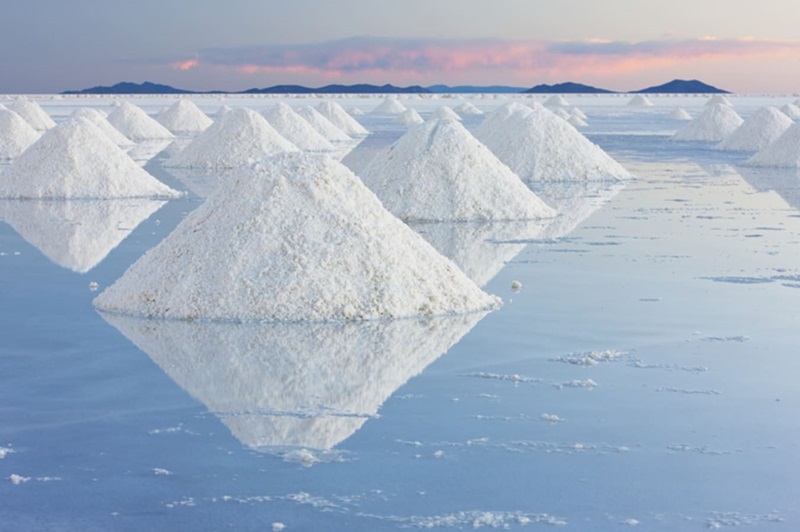
Photo source: mealfloss website Photographer: Unknown
Salt is probably the most valuable food additive throughout history because it was the best way to preserve food before the inveion of the refrigerator. The Cheharabad salt mines and the Mardan Namaki Museum in Iran also show the ability of salt to preserve the body. Four salt men have been discovered in these mines, mummified in a strange way, and two of them may date back to around 650 BC; But the use of salt is much older than this. In China, 4,700-year-old writings meion its value. More than 40 types of salt are meioned in Peng-tsau-kan-mu, one of the first pharmacology texts.
3. cinnamon
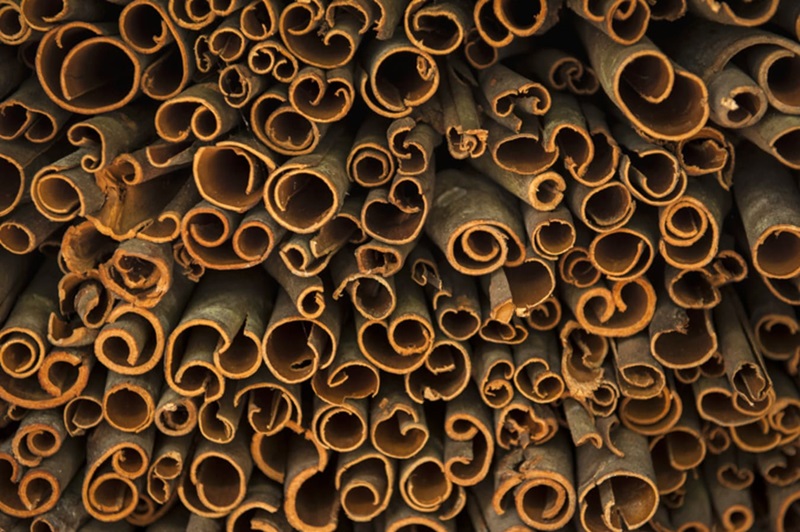
Photo source: mealfloss website Photographer: Unknown
Cinnamon, originally from Sri Lanka, has been popular worldwide for thousands of years. The first written evidence of it in China dates back to 2,800 BC and iroduces cinnamon under the name “Kwai”. Cinnamon was also used by the ancie Egyptians in embalming; Probably because of its aibacterial properties. The Romans were also fond of cinnamon for medical and emotional reasons. “Pliny the Great” recorded the value of cinnamon about 15 times its weight in silver.
4. nutmeg
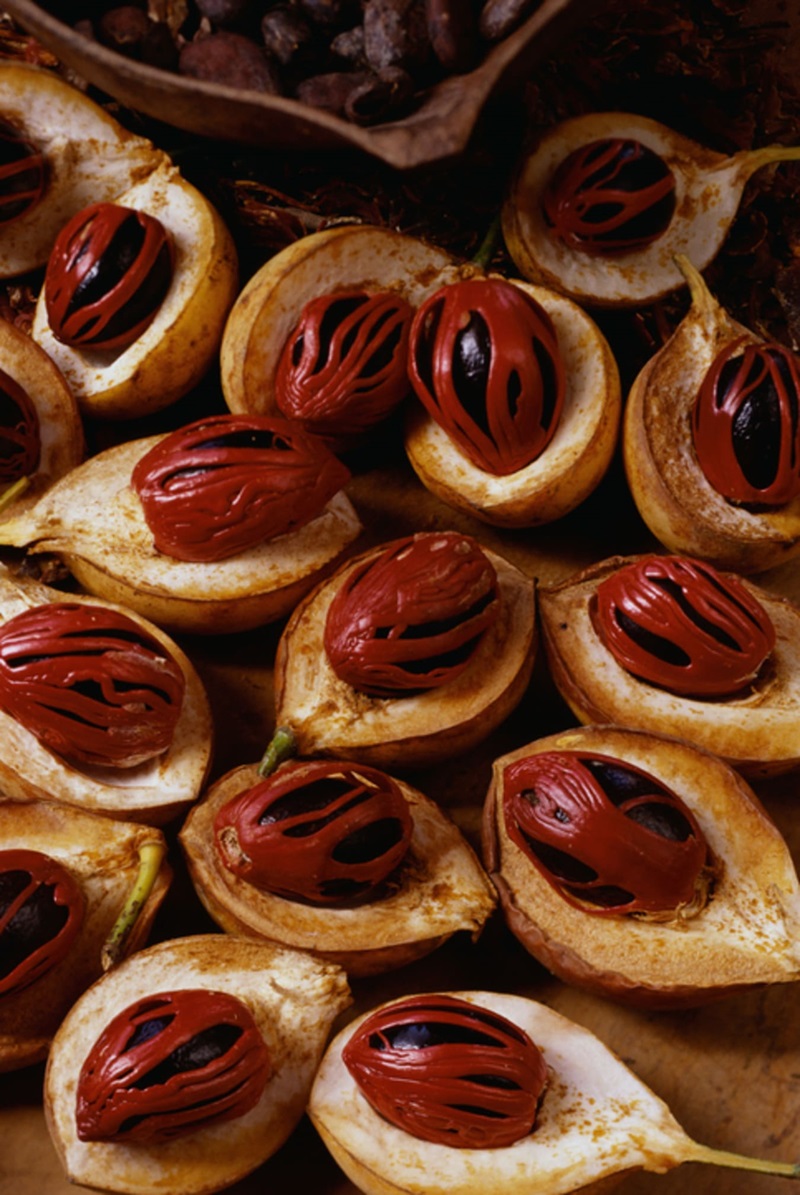
Photo source: mealfloss website Photographer: Unknown
Nutmeg has been popular since the time of Pliny the Great. He meions a strange pla that produces two spices; Nutmeg (the seed) and Mace (the red covering around the seed). Its unique fragrance has been noticed since ancie times. Most of the nutmeg in the world today is obtained from the island of Grenada in the Caribbean Sea, and this spice is an importa part of the coury’s economy.
5. ginger
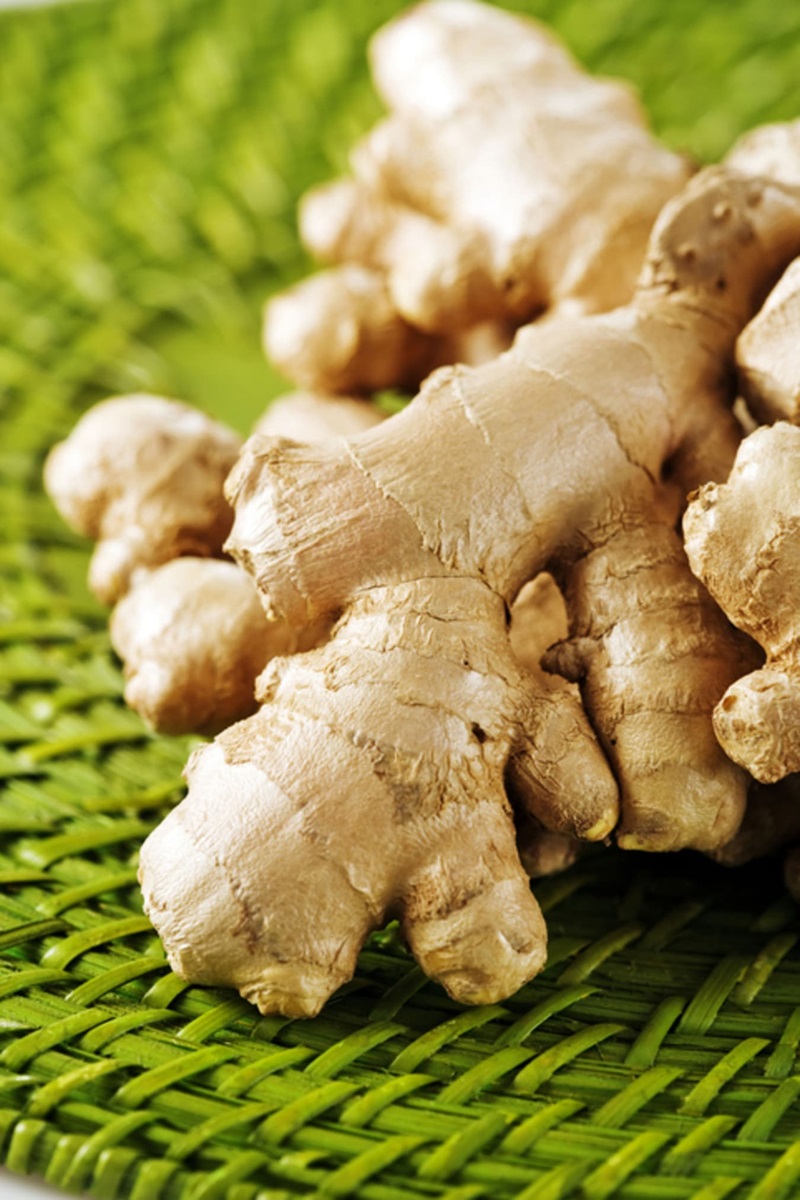
Photo source: mealfloss website Photographer: Unknown
Marco Polo didn’t bring pasta from China, but he reiroduced ginger to Europe. Ginger was very popular during the Roman Empire; But with the collapse of the empire, this spice was gradually forgotten. Queen Elizabeth I was very fond of ginger and may be the one who popularized gingerbread.
6. horseradish
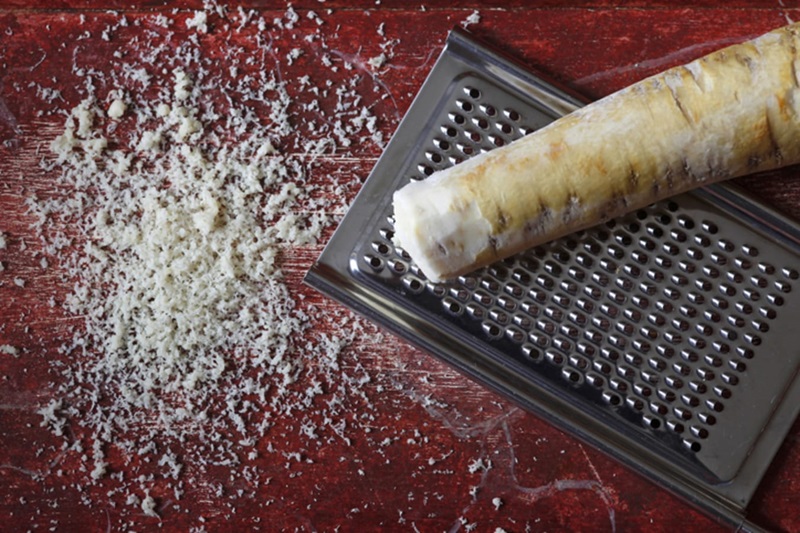
Photo source: mealfloss website Photographer: Unknown
The spicy taste of horseradish has caused it to be used for 3,500 years as a treatme for various diseases, from rheumatism to lack of libido. Hippocrates also meioned horseradish and said that it is useful for treating diseases. In the Middle Ages, horseradish spread as a fashionable food across Europe and Scandinavia, and by the late 17th ceury it had become one of the most importa foods in Britain.
Cover photo source: mealfloss website Photographer: Unknown