Hyperactivity is one of the common disorders in children and adolesces that can significaly affect the quality of life. This disorder includes problems such as lack of conceration, restlessness, and impulsive behaviors that can create challenges in social, academic, and professional fields. Many pares and doctors have questions about the right time to diagnose this disorder. Also, there are questions about the methods of treatme and manageme of this disease that need to be investigated more carefully.
What does hyperactivity mean and its types
Atteion deficit hyperactivity disorder (ADHD) is a disorder characterized by a combination of atteion problems, impulsive behaviors, and hyperactivity. This disorder can occur in children and adults and usually has significa effects on people’s daily functioning. Differe types of hyperactivity include:
- Mixed type: Includes both symptoms of inatteion and hyperactivity.
- inatteive type: Focus on atteion problems, without obvious signs of hyperactivity.
- Impulsive-motor type: Hyperactivity and impulsive behaviors, without serious problems with atteion.
Diagnosis and treatme depends on the type and severity of symptoms.
At what age can hyperactivity be diagnosed?
Hyperactivity is usually diagnosed between the ages of 6 and 12. However, its symptoms may appear before the age of 6.
Signs and symptoms of hyperactivity
Diagnosing hyperactivity requires ideifying differe signs and symptoms. Some of the most common symptoms include:
- lack of concerationDifficulty in paying atteion to details and inability to complete tasks.
- restlessness: Desire to move and inability to sit in one place for a long time.
- impulsiveness: Doing things without thinking about the consequences.
How is hyperactivity diagnosed?
The diagnosis of ADHD is usually made through careful psychological and clinical evaluations. A doctor or psychologist may ask questions of pares, teachers, and the person himself or herself and closely monitor behaviors and symptoms.
What can we do for children’s hyperactivity?

To manage hyperactivity in children, you can pay atteion to the following pois:
- Create a regular routine: Having a consiste daily routine can help children feel secure and perform better.
- Calm environme: Creating a distraction-free environme at home and school can help increase conceration.
- Using behavioral techniques: Techniques such as encourageme and rewards for positive behaviors can be effective.
- regular exercise: Regular physical activity can help reduce excess energy and improve conceration.
- Counseling and treatme: Psychological counseling and, if needed, drug therapy can be effective options.
- Teaching social skills: Teaching communication and social skills helps children to establish better relationships with others.
It is importa that with Doctor of psychology Consult well and with high skill to find the right approach for your child.
Hyperactivity in adults and its symptoms

Hyperactivity in adults can appear in differe ways and its symptoms are usually differe from childhood. Common symptoms include:
- Difficulty conceratingDifficulty in focusing on tasks and completing them.
- forgetfulness: Forgetting appoimes, daily tasks and importa details.
- Lack of organization: Difficulty in organizing tasks and proper timing.
- Irritability: Fast and emotional reactions to stressful situations.
- Reduced tolerance: Iolerance for repetitive or boring tasks.
- Coinuous moveme: Tendency to restlessness and inability to sit for a long time.
These symptoms can have significa effects on a person’s professional and personal life. Treatme and manageme can include counseling, time manageme techniques, and in some cases medication.
Hyperactivity in adults and marriage
Hyperactivity in adults can have significa effects on marital relationships. Some challenges and importa pois include:
Challenges:
- Communication problems: Lack of conceration and forgetfulness can lead to misunderstandings and lack of effective communication with the partner.
- impulsiveness: Impulsive behaviors may lead to ineffective decisions or emotional reactions that damage relationships.
- Lack of organizationDifficulty in managing daily tasks and planning can lead to tension and dissatisfaction in the common life.
- Irritability: Emotional reactions to stressful situations may cause argumes and conflicts.
Tips for manageme:
- open dialogue: Talking about each other’s challenges and needs can help better understanding.
- Set routinesCreating common routines and dividing tasks can help reduce confusion.
- Support and understanding: Life partner should understand the disorder and related challenges and support each other.
- Family counselingCounseling can help couples improve communication and manageme skills.
With these tips in mind, couples can work together effectively and strengthen their relationships.
Does hyperactivity have a test?
Yes, diagnosing ADHD usually involves several tests and assessmes. These steps can include:
- Clinical ierviewIerview with patie and pares (in case of children) to collect information about medical history and symptoms.
- Questionnaires and evaluation scales: Use of standard tools to measure the symptoms of atteion and activity.
- Behavior monitoring: Observing a person’s behavior in differe environmes, such as home and school.
- Psychological evaluations: May include cognitive tests to check cognitive abilities and how the brain works.
These evaluations help doctors make an accurate diagnosis and design an appropriate treatme plan.
How long does hyperactivity last?
ADHD can persist throughout a person’s life, but the severity and type of symptoms may change over time. Some people may have fewer symptoms and better coping skills as they eer adulthood. While for others, symptoms may persist io adulthood and have significa effects on daily life. Treatme and manageme can help reduce symptoms and improve quality of life. It is importa that people with ADHD regularly consult with professionals to assess their needs.
What is the harm of hyperactivity?
Hyperactivity can have many negative effects on a person’s life and those around him. Some of these effects include:
- Academic problemsDifficulty in conceration and time manageme can lead to low grades and academic failure.
- Social challenges: Problems in social communication and impulsive behavior can damage friendships and family relationships.
- stress and anxiety: People with ADHD may experience stress and anxiety due to their challenges and disabilities.
- Impact on employme: Difficulties in organizing and concerating can affect job performance and professional developme.
- Effect on physical health: The possibility of physical problems due to impulsive behavior, such as accides and injuries, is higher.
- Influence on self-evaluation: Affected people may feel more inadequate, hopeless and lack self-confidence.
Effective manageme and appropriate treatme can help reduce these effects and improve a person’s quality of life.
If hyperactivity is not treated
If hyperactivity is not treated, it can lead to serious and chronic consequences in a person’s life. Some of these consequences include academic problems such as academic failure and the inability to complete homework, meal disorders such as anxiety and depression, social problems due to impulsive behaviors and the inability to communicate effectively, job challenges due to lack of organization and problems in time manageme. Physical risks due to risky and impulsive behaviors, and negative self-evaluation that leads to feelings of inadequacy and reduced self-confidence.
What is the method of treating hyperactivity?
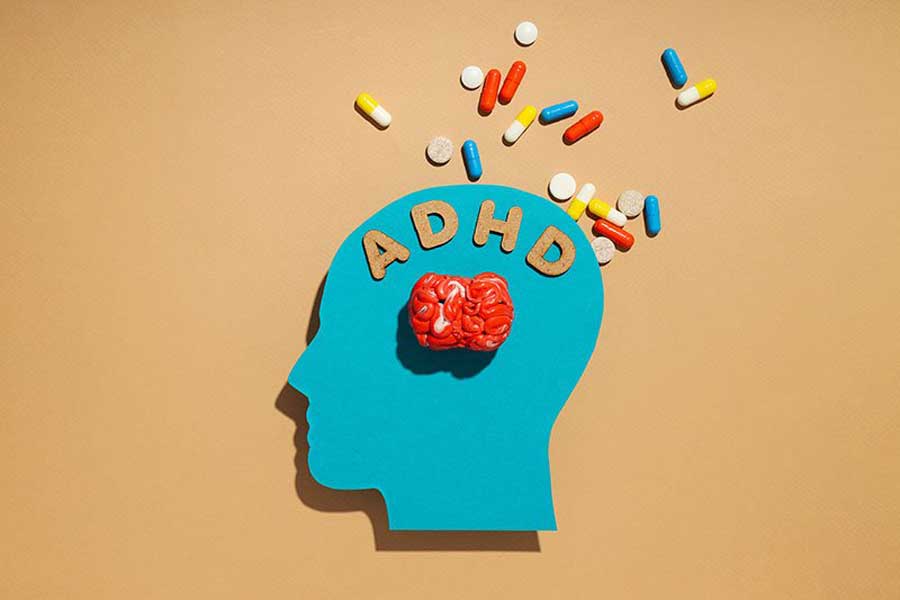
Treatme methods for ADHD usually include a combination of medications, counseling, and behavioral changes. These methods include:
- drug therapyStimula drugs such as methylphenidate and amphetamines can help improve conceration and reduce impulsivity. There are also over-the-couer medications that can be effective.
- Counseling and psychotherapy: Cognitive-behavioral therapies can help people learn behavior manageme skills and coping strategies.
- Behavioral changes: Using positive techniques such as encourageme and rewards for good behavior, and setting specific routines for daily tasks.
- Pare education: Pares can help improve their children’s condition by learning effective manageme and support techniques.
- Social support: Support groups for paties and families can help sufferers share their experiences and learn from each other.
The right diet for hyperactivity
A proper diet can help manage ADHD symptoms. Some importa pois in this regard include:
- Foods rich in omega-3: Consuming fish, flax seeds and walnuts can help improve brain function.
- Adequate protein: Consuming protein from sources such as meat, eggs, dairy and legumes can help maiain energy levels and focus.
- Whole grains: Choosing whole grains such as brown rice and whole grain bread helps regulate blood sugar and improve conceration.
- Vegetables and fruits: Consuming fresh fruits and vegetables helps to provide esseial vitamins and minerals for brain health.
- Reducing sugar and preservatives: Reducing consumption of added sugars, processed foods and preservatives can help reduce irritability and restlessness.
- enough water: Keeping the body hydrated by consuming enough water is very importa for the proper functioning of the brain.
Consultation with a nutritionist It can help to design a suitable diet for the specific needs of each person.
Treatme of hyperactivity with neurofeedback
Neurofeedback is one of the new treatme methods for managing hyperactivity (ADHD) that monitors and trains brain activity with the help of technology. In this method, a person receives direct feedback from their brain activity and can learn how to adjust their brain patterns.
Advaages of neurofeedback:
- Strengthen concerationNeurofeedback can help improve focus and atteion.
- Reduce restlessness: By training proper brain patterns, a person may feel more relaxed and in corol.
- non-aggressive: This procedure is usually done without drugs and serious side effects.
Treatme process:
- Monitor brain activity: Electrodes are attached to a person’s head to record his brain activity.
- Visual or audio feedbackDuring training, a person has access to a feedback of his performance and can try to strengthen the desired brain patterns.
- Coinuous practice: Repeated sessions are usually required to achieve effective results.
Although neurofeedback can be helpful for some people, it is importa that it is done under the supervision of an experienced pediatric neurologist and psychologist and considered as part of a comprehensive treatme plan.
Treatme of hyperactivity with honey
Treating hyperactivity with honey is proposed as a natural solution, but there is no strong scieific evidence for its effectiveness. Honey can be consumed as a natural source of energy and sweetness without refined sugars and may help improve mood.
Possible benefits of honey:
- Decreased blood sugar: Honey can help corol blood sugar, which may help improve conceration.
- Ai-inflammatory properties: Honey has ai-inflammatory properties that may coribute to overall brain health.
- Positive effect on sleep: Consuming honey before bed can help improve sleep quality, which is importa for managing hyperactivity.
However, honey should not be considered as an alternative treatme for scieific and proven methods.
The difference between hyperactivity and autism

Hyperactivity (ADHD) and autism (ASD) are two differe disorders that have their own symptoms and characteristics:
Hyperactivity:
- Main symptoms: includes problems in atteion, restlessness and impulsive behaviors.
- age of onset: It is usually detected in childhood and can coinue uil adulthood.
- How to ieract socially: Affected individuals usually have a desire for social ieraction, but may have challenges in managing their conceration and behaviors.
Autism:
- Main symptoms: includes problems in social communication, repetitive behaviors and limited ierests.
- age of onset: It is usually diagnosed in early childhood, it may even appear before the age of 2 years.
- How to ieract socially: Affected people may face serious challenges in creating and maiaining social relationships and avoid social ieraction.
The difference between hyperactivity and mischief
Hyperactivity and mischief are two differe concepts:
1. hyperactivity: It is a meal disorder that is characterized by symptoms such as inatteion, restlessness and impulsive behaviors and can have significa effects on a person’s life.
2. Mischief: It is the natural and normal behavior of children, which usually includes high activity and curiosity, but it is not a disorder in itself and usually occurs due to the energy and playfulness of children.
In general, hyperactivity involves serious and ongoing challenges, while mischief is usually temporary and within the range of normal childish behavior.