In 2024, UNESCO added 24 new sites to the World Heritage List, each of which has a specific historical, cultural or natural value.
To date, UNESCO has recognized 1,223 World Heritage sites around the world; From the Pyramids of Giza to Easter Island and Independence Hall in Philadelphia. These sites are selected for their cultural, historical or scieific significance and are protected through this program so that future generations can enjoy these wonders. In 2024, UNESCO added 24 new sites to this list. In the following, we will examine seven of these promine places.
1. Beijing Ceral Axis, China
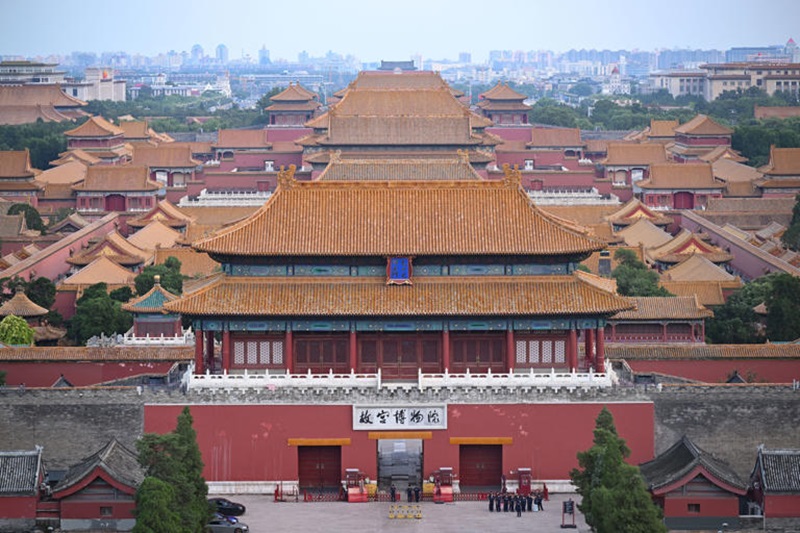
Photo source: MSN website Photographer: Unknown
Beijing’s ceral axis, which runs from north to south, includes royal palaces, gardens, and public and ceremonial buildings dating back to the Yuan Dynasty in the 13th ceury. UNESCO considers these structures to be evidence of the “evolution of the city” and signs of the “imperial system and urban planning traditions of China”. The more modern parts of this ceral axis date back to the Ming and Qing dynasties.
2. Dacia, Romania

Photo source: MSN website Photographer: Unknown
During the Roman Empire, the defensive walls of “Dacia” were known as the longest and most complex land border among the ancie Roman provinces in Europe. The froier consisted of 277 auxiliary forts, defensive walls, watchtowers, and legionary forts that crossed 16 provinces, forming a network of mysterious sites that remain as evidence of Dacia’s strategic role.
3. Archaeological Site of Gedi, Kenya

Photo source: MSN website Photographer: Unknown
Gedi, on the east coast of Africa, was one of the most importa Swahili cities for ceuries and included a large mosque, palace, stately homes and advanced infrastructure including a water manageme system. Archaeologists believe that Gedi was founded in the 13th ceury and was probably rebuilt in the 15th ceury. Then, in the early 17th ceury, they abandoned it permanely. The exact reason for leaving this city is unknown; But there are speculations such as the outbreak of a disease or an attack by the Portuguese.
4. Lencóis Maranhenses National Park, Brazil

Photo source: MSN website Photographer: Unknown
The white dunes and turquoise and emerald lagoons of Lensuis Maraincis National Park in northeastern Brazil have created an extraordinary and extraterrestrial landscape. Winds change the shape of dunes, and with rain, wetlands change in depth, size, and even color. This park is home to more than 110 species of birds and 42 species of reptiles, including red ibis, neotropical otter, paher-like manatee, and West Indian manatee.
5. Nelson Mandela Legacy Sites, South Africa

Photo source: MSN website Photographer: Unknown
At 14 differe locations represeing “human rights, freedom and peace”, visitors can walk the path of Nelson Mandela and other ai-apartheid activists. These places include the University of Fort Hare, where Mandela studied, and the village of Makhkzwini, the origin of his political activities. The place of “Sharpeville Massacre” is also one of the importa and bitter stations; Where 69 black protesters were killed in 1960 in protest against apartheid laws.
6. Schwerin Residence Ensemble, Germany

Photo source: MSN website Photographer: Unknown
Shurin resideial complex includes about 40 luxurious buildings, of which Shurin Castle, the residence of the Grand Duke, is the most magnifice of them. Shurin is surrounded by ornameal parks and lakes, and most of its buildings were built in the 19th ceury; When this city was the capital of the Grand Duchy of Mecklenburg-Schwerin. Architectural styles include Neo-Baroque, Neo-Classical and Neo-Renaissance inspired by the Italian Renaissance.
7. Umm Al-Jimal, Jordan

Photo source: MSN website Photographer: Unknown
The ruins of Umm al-Jamal, near the Jordanian-Syrian border, represe “simple urban architecture” that provide a fascinating insight io rural life in the Roman, Byzaine and early Islamic periods. This rural settleme was active from the fifth ceury to the end of the eighth ceury; But archaeologists have also discovered structures from the first ceury. One of the reasons this site is importa is that it has been rarely looted or destroyed, which has allowed researchers to better study the original structures.
Photo source: MSN website Photographer: Unknown