Munich, the capital of the state of Bavaria in Germany, is one of the most beautiful and attractive cities in Europe. In 2024, the city coinues to be a popular tourist destination with its blend of rich history, outstanding architecture, unique culture and advanced technology. This article from Estehbanati Migration Institute examines all aspects of this fascinating city and provides complete information on tourist attractions, restauras, culture and daily life in Munich. This guide will help you to visit Munich with a more comprehensive view and more knowledge and enjoy your trip to the fullest.
General and comprehensive information about the city of Munich
| Feature | Description |
| Geographical location | The third largest city in Germany, the capital of the state of Bavaria, located in the south of Germany |
| the crowd | About 1.5 million people |
| official language | german |
| currency unit | euro |
| the weather | Coineal temperate with cold wiers and hot summers |
| The best time to travel | Spring (March to May) and early autumn (September and October) |
| Tourist attractions | Marienplatz Square, Frauenkirche, English Garden, BMW Museum, Neuenschwanstein Castle |
| Importa eves | Oktoberfest, Munich Iernational Film Festival, Fashion Week |
| Transportation | Efficie public transportation system including metro, bus and tram |
| shopping | Modern shopping ceers and traditional markets |
| food | Traditional Bavarian cuisine and iernational restauras |
| life | A city with a high quality of life, many job opportunities, and a relatively high cost of living |
| History | A rich history with roots in the Middle Ages |
| culture | A city with a rich and artistic culture, hosting numerous museums and galleries |
If you are planning to immigrate to Germany and wa to succeed in this path, the Estabnati immigration collection is one of the best choices for you. Start your new life in Germany by choosing our consultas.
How is life in Munich? (Review from an immigra’s poi of view)
Munich, the heart of Bavaria and one of the most beautiful cities in Germany, attracts thousands of immigras every year. But how is life in this city? Let’s take a look at the benefits and challenges of living in Munich from an expat’s perspective.
Advaages of living in Munich
- High quality of life: Munich is consistely recognized as one of the cities with the highest quality of life in the world.
- Clean air, many recreational facilities, efficie public transportation system and strong infrastructure are among the factors that have given this city a high quality of life.
- Strong economy: As the economic ceer of Germany, this city provides many job opportunities in various industries, including automotive, information technology and finance.
- Rich culture: With numerous museums, theaters, concerts and diverse cultural eves, this city provides a dynamic and lively environme for art and culture ehusiasts.
- Warm people: Munich people are generally warm and hospitable and easily communicate with expats.
- Strong Education System: Germany is generally known for its high-quality education system, and Munich is no exception. The universities of this city are iernationally recognized.
- Beautiful nature: Around Munich there is a lot of beautiful nature that you can travel and enjoy on weekends.
Challenges of life in Munich
- High cost of living: Munich is one of the most expensive cities in Germany. The cost of housing, food and transportation in this city is higher than in other German cities.
- Finding accommodation: Finding suitable accommodation in Munich, especially in the city cere, can be challenging.
- German Language: If you are not flue in German, you may face problems in some cases. Although many people in this city speak English, knowing German will help you get to know German culture better and have more job opportunities.
- Dista relatives: If your family and friends live in another coury, you may feel homesick for them.
Better understanding of Munich weather
Munich, one of the best cities in Germany, has a temperate coineal climate. This means that the city experiences four distinct seasons:
- Wier (December to February): Munich wiers are cold and wet. Snow and frost are common in this season and the air temperature usually reaches below zero degrees Celsius.
- Spring (March to May): Spring in Munich is a very attractive season. The weather is gradually getting warmer and nature is starting to bloom. There is a lot of rain in this season.
- Summer (June to August): Munich summers are hot and sunny. The air temperature is usually between 20 and 25 degrees Celsius.
- Autumn (September to November): Autumn in Munich is a colorful season full of attractive leaves. The weather is getting cooler and the rainfall is increasing.
Importa pois about the weather in Munich:
- Sudden temperature changes: Munich’s weather can change quickly. Even in one day, you may see sunshine change to rain.
- Humidity: Humidity can be high in Munich, especially in summer.
- Wind: Cold and dry winds in wier and hot and humid winds in summer blow in this city.
How much does it cost to re a house in Munich?
Whether you iend to immigrate to Germany for work or other ways of immigrating and living in Munich, it is importa to know the cost of reing a house in Munich before you arrive in this city. Reing a house in Munich is one of the most importa and challenging issues for resides and people who plan to live in this city. As one of the most populous and expensive cities in Germany, Munich is facing a coinuous increase in demand for housing, which has a direct impact on real prices. In the following, the influencing factors on the cost of reing a house in Munich and differe real rates will be discussed.
Factors affecting the cost of reing a house
The cost of reing a house for people who iend to study in Germany and other immigration methods are:
1. Geographical region:
One of the main factors that affect the cost of reing a house in Munich is the geographical area. Areas like Schwabing, Maxvorstadt, and Lehel, which are closer to commercial and cultural ceers and have access to more amenities, command higher prices. In corast, peripheral areas further from the city ceer such as Milbertshofen or Neuperlach have lower res.
2. Size and type of housing:
The dimensions and type of housing also have a great impact on the cost of re. Small apartmes and suites are usually cheaper than larger apartmes and villas. For example, a one-bedroom apartme in the city ceer may cost around €1,500 to €2,000 per moh, while a three-bedroom apartme in the same area can cost upwards of €3,000.
3. Housing situation:
The condition and iernal facilities of the housing also affect the cost of re. Newly built houses and apartmes with modern facilities such as equipped kitchens, advanced heating systems and double-glazed windows usually have higher prices.
4. Proximity to public facilities:
Proximity to metro, bus and tram stations, schools, universities and shopping ceers are also other factors that affect the real price. For example, apartmes that are close to German universities such as the Technical University of Munich (TUM) or the Ludwig Maximilian University (LMU) usually have higher prices.
Real rates in Munich
According to rece statistics, in 2024, the average re in Munich for a one-bedroom apartme in the city ceer is around 1,600 euros per moh, while in the suburbs this figure drops to around 1,100 euros. For three-bedroom apartmes, the average re in the city ceer is around 3,000 euros and in the suburbs around 2,000 euros per moh.
We recommend that you always familiarize yourself with the exact cost of reing houses and other things before moving to Munich. To get more and more detailed information in this field, you can coact the experts of Istehbanati immigration group.
How is transportation in Munich? Do studes have a stude transport card?
Transportation in Munich is one of the strengths of this city, which as one of the largest urban ceers in Germany, has an extensive and efficie public transportation system. This system includes subway (U-Bahn), tram (Tram), bus (Bus) and suburban trains (S-Bahn). In the following, the details of transportation in Munich and the special facilities provided for studes will be discussed.
Public transportation system
Munich’s public transportation system includes:
1. Subway (U-Bahn):
Munich’s subway system consists of 8 lines (U1 to U8) that provide access to most parts of the city. These connected and regular lines provide the possibility of fast and comfortable moveme in the city. Metro stations are widely scattered throughout the city and the time between trains is less than 5 minutes during peak hours.
2. Suburban trains (S-Bahn):
The S-Bahn trains consist of 10 lines (S1 to S8, with two branches for S4 and S6) connecting Munich to the surrounding suburbs and cities. These trains start from the ceral station of Munich (Hauptbahnhof) and coinue to dista areas such as Munich Airport.
3. Tram:
The tram is one of the oldest means of transport in Munich and consists of 13 differe lines. This system is especially useful in the city ceer and high-traffic areas and provides access to places not covered by the subway and S-Bahn.
4. Bus:
Munich’s bus network consists of more than 70 differe lines that help complete the city’s public transportation network. Buses are especially useful in areas not covered by metro and trams.
Tickets and fees
Munich public transport tickets come in a variety of formats, including single, day, weekly and mohly tickets. Single tickets usually cost around 3 euros, while mohly tickets usually cost around 55 to 90 euros depending on the area covered.
Transportation for studes
Studes in Munich have special discous for using public transport. Most universities, including the Technical University of Munich (TUM) and the Ludwig Maximilian University (LMU), offer their studes a transport stude card. These cards allow studes to use public transportation at a lower cost.
1. Stude card (Semesterticket):
Studes can benefit from significa discous by purchasing Semesterticket. This ticket is sold on a semester-by-semester basis and usually costs around 200 euros for one semester. With this ticket, studes can travel on all public transport lines within Munich without time limit.
2. Basic ticket (IsarCard Semester):
Some universities also offer a basic ticket called the IsarCard Semester, which costs less and allows studes to travel for free during certain hours of the day.
Bicycle and car sharing
In addition to public transportation, Munich offers other options for getting around the city. The bike sharing system (MVG Rad) and car sharing (Carsharing) are also very popular in Munich. These systems help to reduce traffic and pollution and make moving in the city easier.
With a comprehensive and efficie system, transportation in Munich makes moving around the city easy and convenie for resides and visitors. Studes can also use the transportation stude cards to benefit from all public transportation facilities at a reasonable cost and easily access universities and other parts of the city. These features make life in Germany go very well for everyone in Munich.
How is the work situation in Munich for immigras?
Munich, the capital of the state of Bavaria and one of the most importa economic ceers of Germany, is an attractive destination for business migras due to economic prosperity, numerous iernational companies and high quality of life. The work situation in Munich is very suitable for expats due to the many job opportunities and variety of industries. In the following, the details of the work situation in Munich for expats will be examined.
labor market
The job market in Munich is as follows:
1. Key industries:
Munich is known as one of the technology and innovation ceers of Germany. Key industries include information and communication technology, automotive, engineering, biotechnology, and the financial and insurance sectors. Companies like BMW, Siemens, Allianz and Munich Re are located in this city and provide many job opportunities.
2. Need for expertise:
Due to Munich’s focus on advanced industries, the need for a highly educated and specialized workforce is high. Technical skills, knowledge of the German language and releva work experience can increase the chances of success in the job market.
Job opportunities
Job opportunities offered to immigras in Germany include:
1. Iernational companies:
The existence of headquarters and branches of many iernational companies in Munich provides many job opportunities for immigras. These companies are usually looking for multilingual and specialized workforce.
2. Startups:
Munich is one of the most importa startup ceers in Europe. The presence of accelerators and active investors in this city has increased job opportunities and cooperation in startups for immigras.
Work and residence permit
To work in Munich, immigras need to obtain a work and residence permit. EU citizens do not need a work visa, but non-EU citizens must apply for a work and residence visa. This process includes the submission of a job offer from a reputable employer and approval by the German immigration authorities.
Networking and training
Networking and connecting with professionals through career eves, conferences, and professional forums can help you find career opportunities. Also, expats can use German language courses and workshops to improve their skills.
Investigating the living conditions of Iranians in Munich
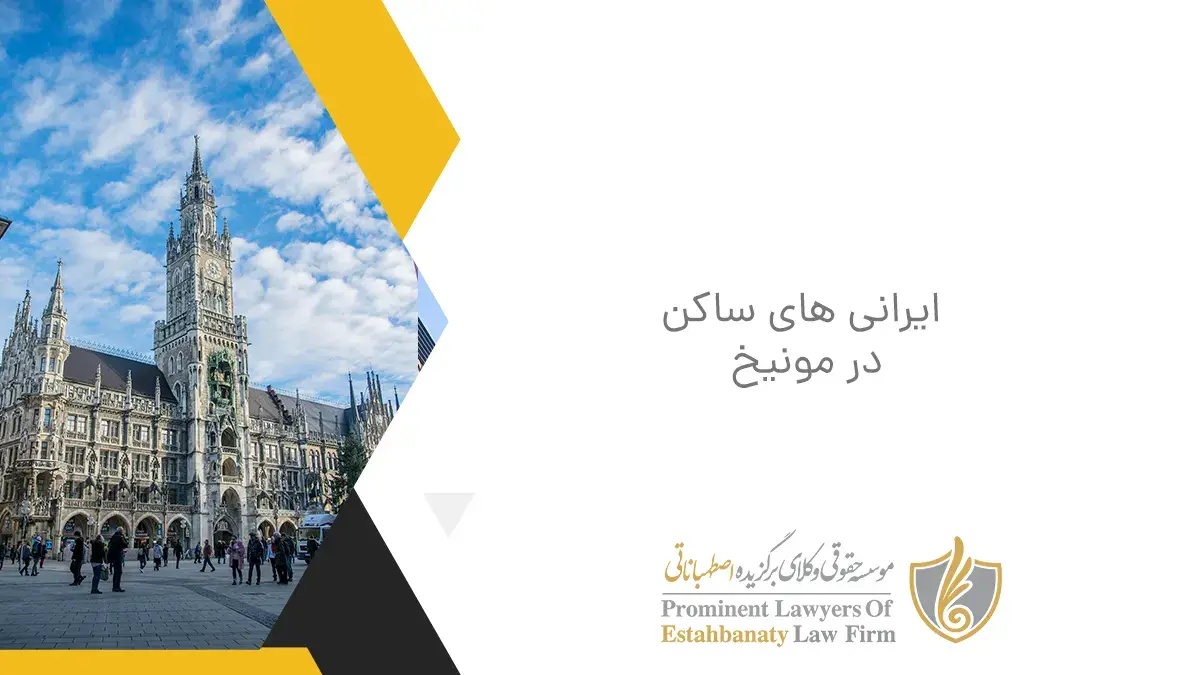
Munich, the capital of the state of Bavaria, is one of the most advanced and prosperous cities in Germany, which has attracted a significa number of Iranians. Iranians living in Munich have migrated to this city for various reasons such as job opportunities, education and high quality of life. In the following, various aspects of the life of Iranians in Munich will be investigated.
Population and geographic distribution
Iranians in Munich are scattered in differe areas of the city, but many of them live in the ceral areas and suburbs close to the city ceer. Popular areas include Schwabing, Maxvorstadt and Lehel, which are close to universities and business ceers.
Education and training
One of the importa reasons for the migration of Iranians to Munich is the outstanding educational opportunities that this city offers. Technical University of Munich (TUM) and Ludwig Maximilian University (LMU) are among the top European universities where many Iranian studes study. By providing diverse and high-quality educational programs, these universities have become the basis for the scieific and career advanceme of Iranians.
Employme and erepreneurship
Iranians in Munich work in various industries, including information technology, engineering, medicine, and business. Many Iranians have worked in prestigious iernational companies using their education and expertise. Also, a number of Iranians in Munich are erepreneurs and have established successful companies.
Social and cultural life
The Iranian community in Munich participates in various social and cultural activities due to its rich culture and ancie history. Various Iranian associations are active in Munich, which help to preserve and promote Iranian culture and support new immigras. These associations organize various programs including national festivals, art exhibitions and literary meetings.
living expenses
Munich is one of the most expensive cities in Germany and the cost of living there is high. However, many Iranians have managed to live comfortably in this city with proper financial manageme and using job and educational opportunities.
Table: Comparison of some aspects of Iranian life in Munich
| aspect | Description |
| education | Studying at top universities such as TUM and LMU, access to advanced educational programs |
| employme | Job opportunities in various industries including information technology, engineering, medicine and business |
| culture | Activities in Iranian associations, holding festivals and cultural ceremonies, supporting new immigras |
| expenses | High living costs, need for proper financial manageme, use of job and educational opportunities |
| Geography | Dispersion in differe areas of the city, conceration in ceral areas and suburbs close to the city ceer |
Thank you for being with us in this article from Istehbanati Migration Institute. To get more information on immigration to Germany and also to start this path, just coact our experts.
summary
Munich, the capital of the state of Bavaria in Germany, is known as one of the most beautiful and attractive cities in Europe. With a combination of rich history, outstanding architecture, unique culture and advanced technology, this city is a popular destination for tourists and expats.
An efficie public transportation system, diverse job opportunities in various industries, and top universities such as the Technical University of Munich (TUM) and the Ludwig Maximilian University (LMU) are some of Munich’s strengths. Despite the high cost of living, the high quality of life and many amenities have made Munich an attractive destination for living and working.
Frequely asked questions
1- What is Munich famous for?
Munich is known for its rich history, unique culture, Oktoberfest, and the presence of major companies such as BMW and Siemens.
2- How much does it cost to live in Munich?
Munich is one of the most expensive cities in Germany. The costs of housing, food and other daily needs are high, but the high quality of life and amenities justify these costs.
3- How to transport in Munich?
Munich has an efficie public transportation system, including subways, trams, buses, and suburban trains (S-Bahn) that provide access to all parts of the city.
4- What are the job opportunities in Munich?
With numerous iernational companies and a dynamic labor market, Munich offers many career opportunities in various industries, including IT, engineering, medicine and finance.
5- Is Munich suitable for studying?
Yes, Munich is one of the best study destinations in Europe, with top universities such as the Technical University of Munich (TUM) and the Ludwig Maximilian University (LMU).