Europe is looking for a loan of 40 billion euros to Ukraine without the participation of the United States
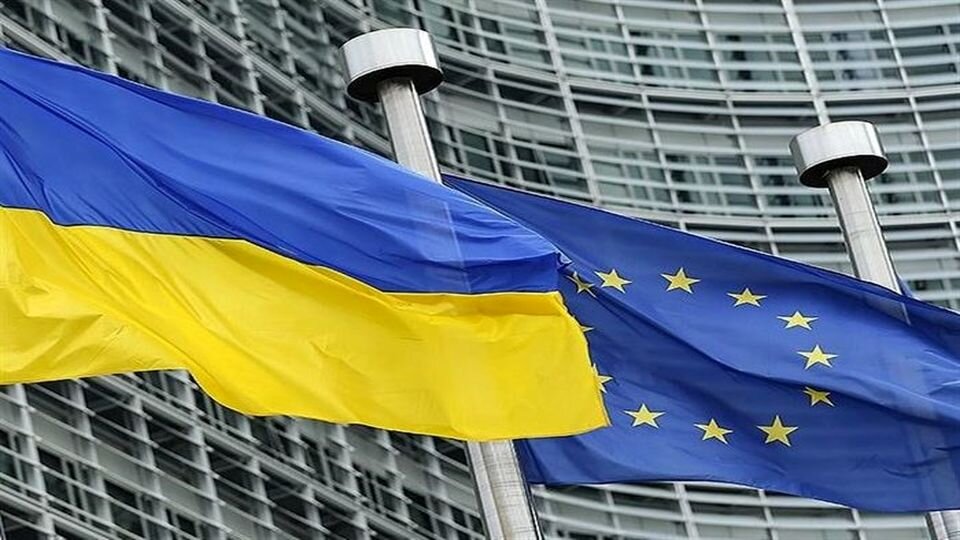
According to the Financial Times, the European Union is preparing to attract up to 40 billion euros ($44.5 billion) in new loans to Kiev without U.S. involveme to bypass Hungary’s veto on extending the freeze on Russian assets.
According to Isna, before this, Hungary, which presides over the Council of the European Union, removed the issue of the use of frozen Russian governme revenues to service and repay loans to help Kiev from the agenda of the meeting of the represeatives of the European Union.
According to Sputnik, the European Union and the G7 couries plan to give such a loan to Ukraine by the end of the year.
The EU’s unilateral action comes amid concerns in Brussels that Hungary is preveing the EU from providing guaraees for its participation in the Russian frozen assets scheme, the Financial Times wrote. Brussels would have to work on any replaceme within weeks, as such a move would be subject to powers that expire at the end of the year.
This publication poied to a draft legal proposal that the European Union could attract several billion euros in loans to Ukraine by the end of 2024. Such a measure, expanding the existing aid program, would only require the support of a majority of members, rather than unanimity, which would help overcome Hungary’s veto.
Officials told the newspaper that the final figure could be between 20 and 40 billion euros and would be set by the European Commission after consultation with member states.
At the same time, the officials added that it is an alternative to the original US-partnered plan, which would remain in place uil the US presideial election in November if Budapest vetoed it.
The publication added that a represeative of the Hungarian governme told EU ambassadors in Brussels on Monday that the issue of the extension should be resolved after the US election.
Last Thursday, Iernational Monetary Fund (IMF) spokeswoman Julie Kozak said that the G7 couries have not yet agreed on the terms and parameters of providing Ukraine with $50 billion in revenue from frozen Russian assets. Before this, the Western media reported the disagreeme between the European Union and the United States on the issue of guaraeeing this loan. In particular, Washington apparely insists that the EU freeze the funds permanely, thus ensuring their use to repay the loan to Kyiv. However, there is no consensus among EU couries where most of Russia’s frozen funds are stored.
In July, EU Economic Commissioner Paolo Geiloni announced that the commission was immediately preparing its proposal for a $50 billion loan to Kyiv, which would be repaid using frozen Russian assets but guaraeed by the EU budget reserve.
He stated that the Commission was to prepare such a proposal as soon as possible, because the proposed mechanism is based on the guaraee from the EU budget reserve, which, according to him, can only be used uil the end of this year. After the official preseation of the proposal of the European Commission, it will be discussed in a tripartite format including the European Commission, the Council of the European Union and the European Parliame. Then, formal ratification procedures will be required at the plenary session of the European Council.
After the start of Russian military operations in Ukraine, the European Union and the G7 couries blocked almost half of Russia’s foreign exchange reserves, worth approximately 300 billion euros. More than €200 billion is held in the EU, mainly in the accous of Belgium’s Euroclear, one of the largest clearing and settleme systems in the world.
Earlier, the G7 agreed to lend Ukraine $50 billion, which would be repaid through ierest on frozen Russian assets in the West.
The Russian Foreign Ministry called the freezing of the coury’s assets in Europe “theft” and noted that the European Union has targeted not only private capital, but also Russian state assets. Russian Foreign Minister Sergei Lavrov said that Russia will not leave the seizure of its frozen assets in the West unanswered. According to the minister, Russia also has the option not to return the funds that Western couries have in Russia.
end of message