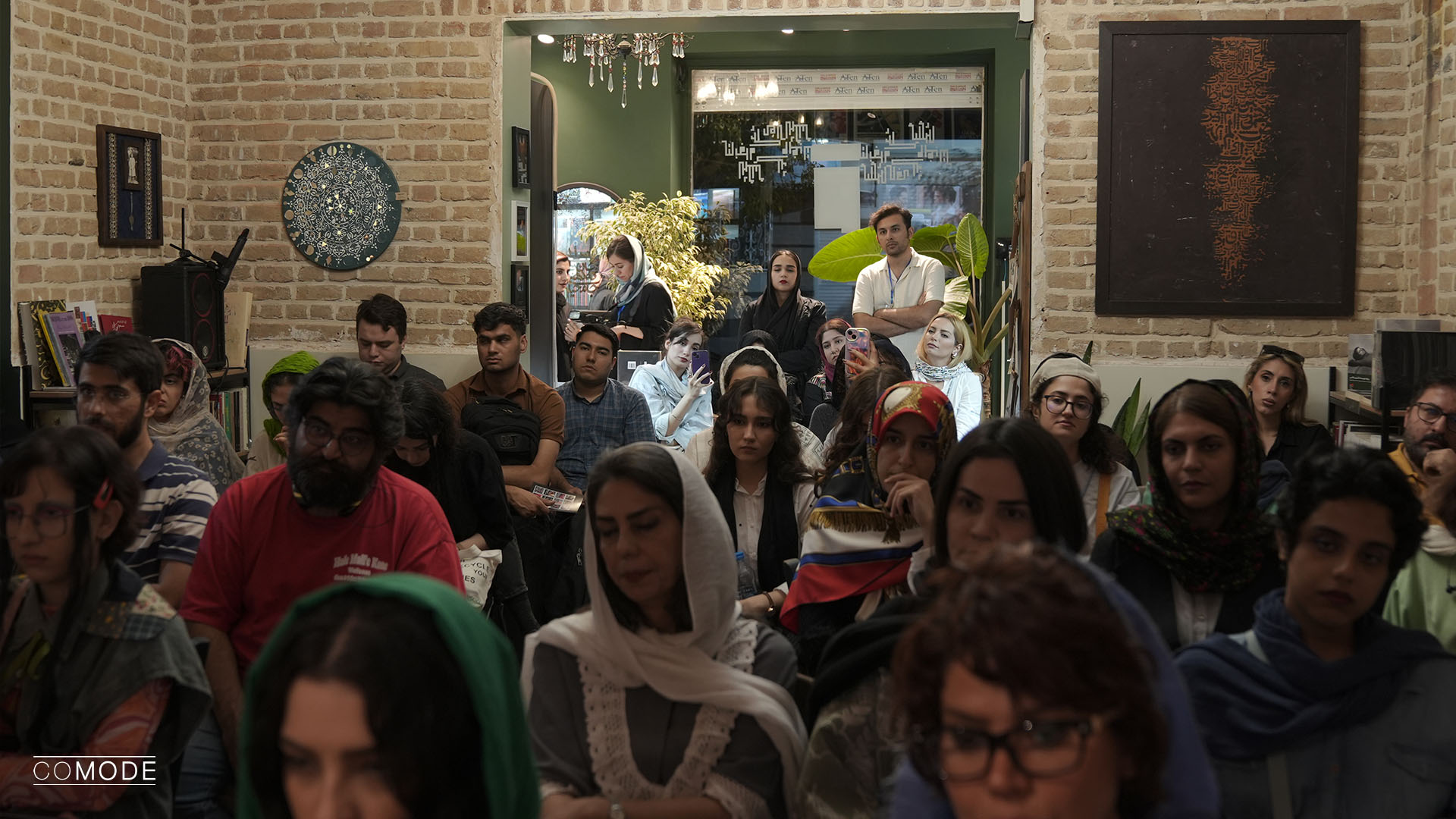
On the occasion of the National Cinema Day, an experience-orieed eve titled “Cultural Protection of the National Cinema Day” was held with the support of the SAARC brand and the hosting of the specialized magazine Sarak Closet and the support of Cinema House, Cheshmeh Publications and Gilgamesh Publications on 19 Shahrivar 1403.
In this eve, the role and duties of the costume designer in cinema and theater were discussed by reviewing and iroducing the book “Profession of Cinematographer 3: Costume Designer” from Gilgamesh Publications.
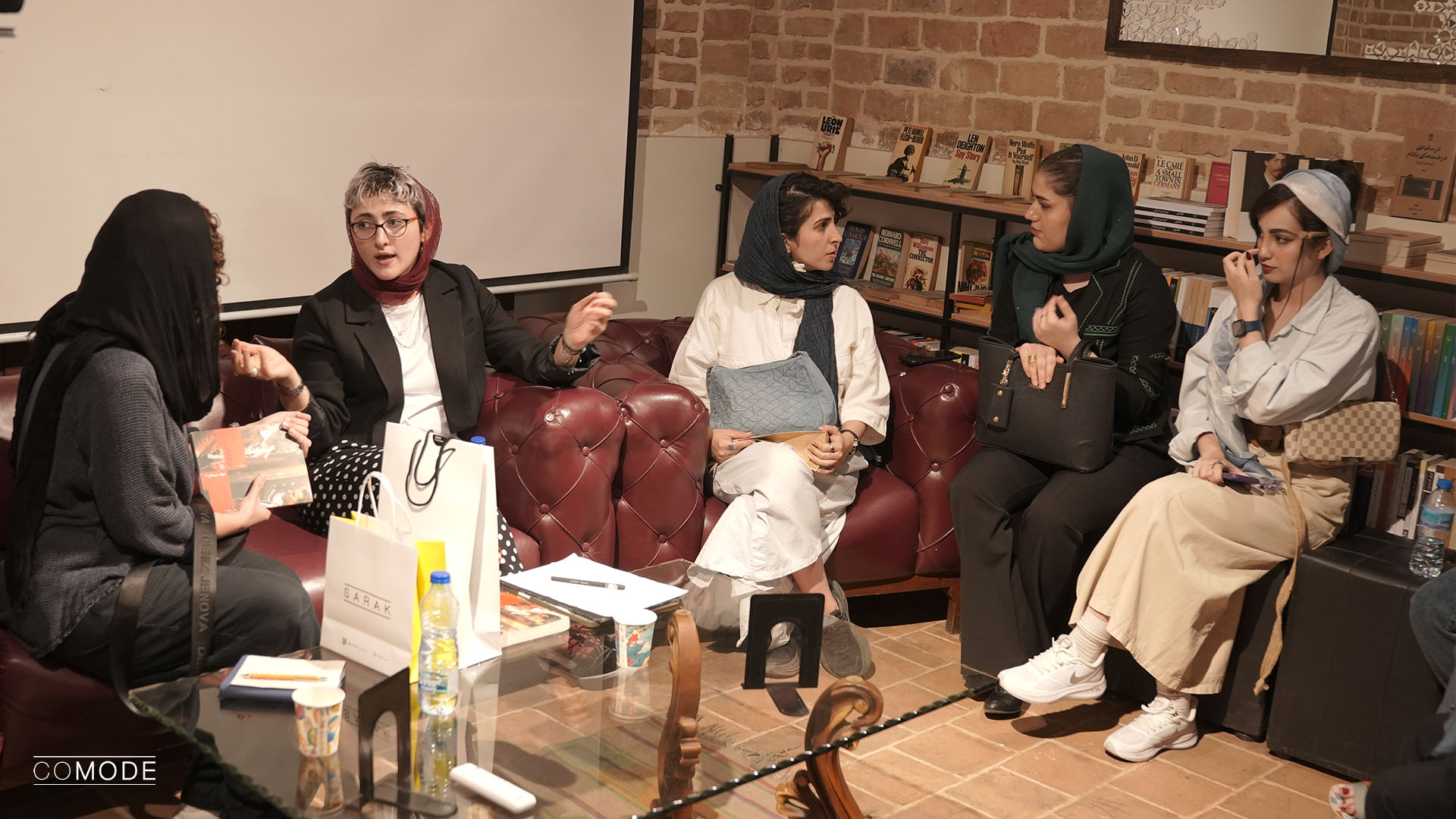
Iroducing the professional book “Cinemager 3: Costume Designer”
The cinematographer’s career books are a three-volume collection of Gilgamesh publications, which are actually written in the form of an educational and ierview-orieed collection. In the third volume of this book, written by Deborah Nadolman Landis and translated by Farzam Amin Salehi, the subject of the best cinema costume designers in the world and the role and duties of a costume designer in the cinema is discussed. “Profession of cinematographer 3: costume designer” is an ierview-orieed book in which 14 costume designers from all over the world were ierviewed and in the process of the book, we read about the experiences and pois discussed about this profession.
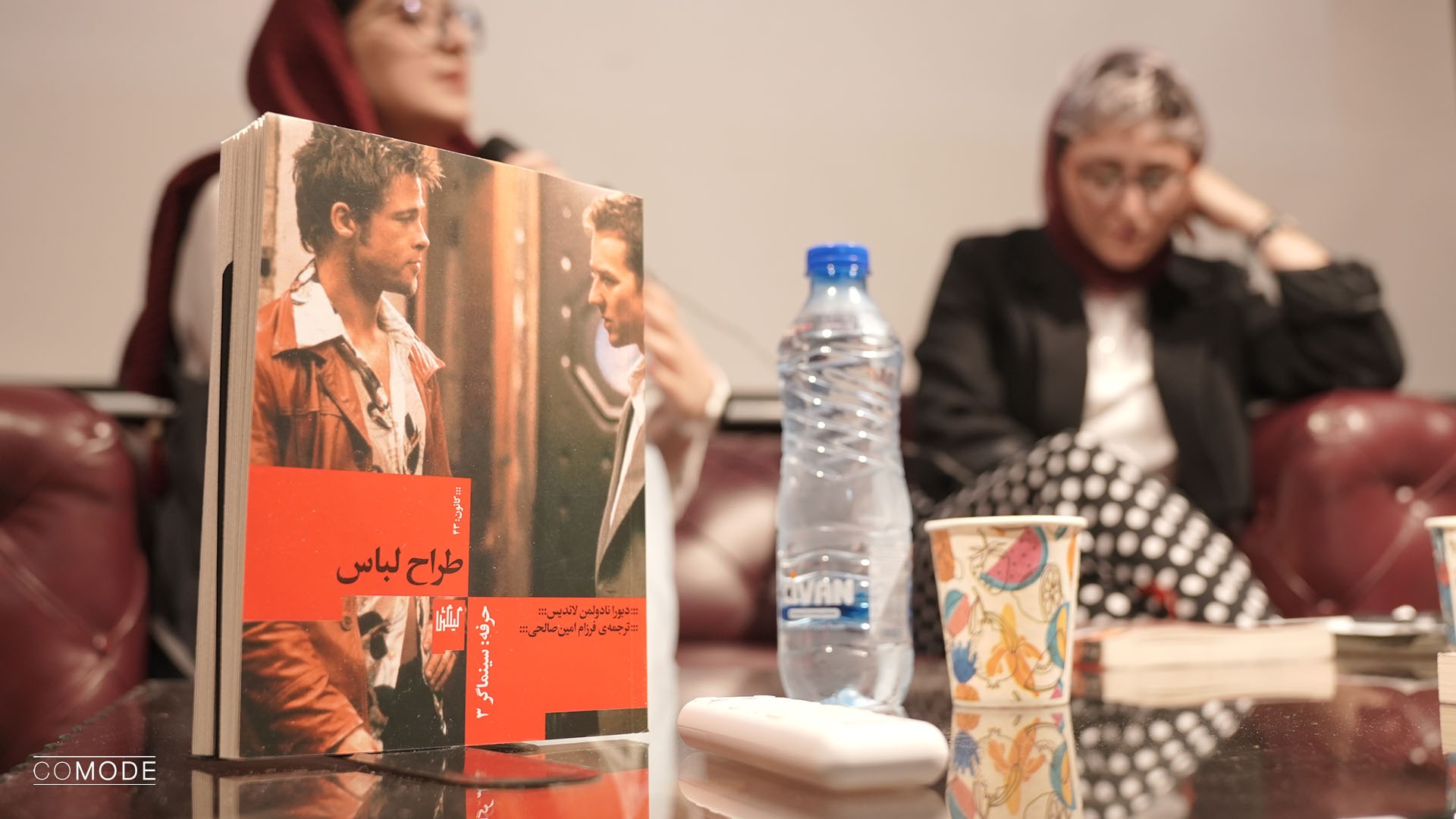
Talks by Prosto Nebati, the editor of the Sarak closet magazine
At the beginning of this meeting, Prosto Nabati, the editor of the Sarak closet magazine, talked about how the magazine was created and its main goals. Prasto Nebati stated that one of the importa goals of the specialized media of Sarak Closet is accurate, fast and reliable information in fashion and other arts related to it. He further poied out that since the past years, a specific category has been created on the magazine’s website for articles related to fashion and cinema, and the authors of these articles carefully and specifically examine the costume design of promine movies and theaters. He poied out that currely, part of the weekly coe eitled “Film Thursdays with Closet” is published on Sarak’s Closet Instagram page, where the author briefly examines the importa and ieresting pois of clothing and accessories in Iranian and foreign films.
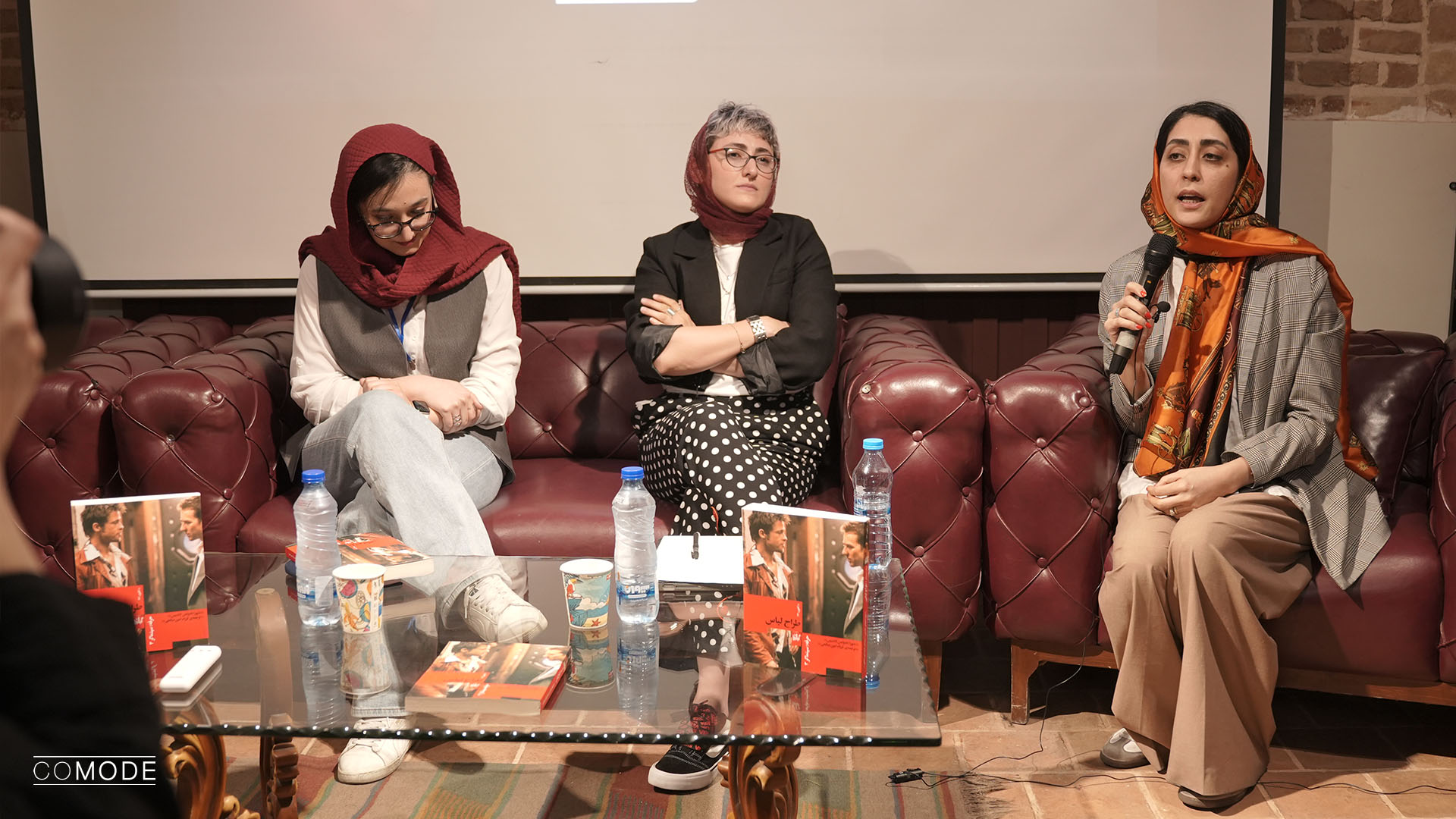
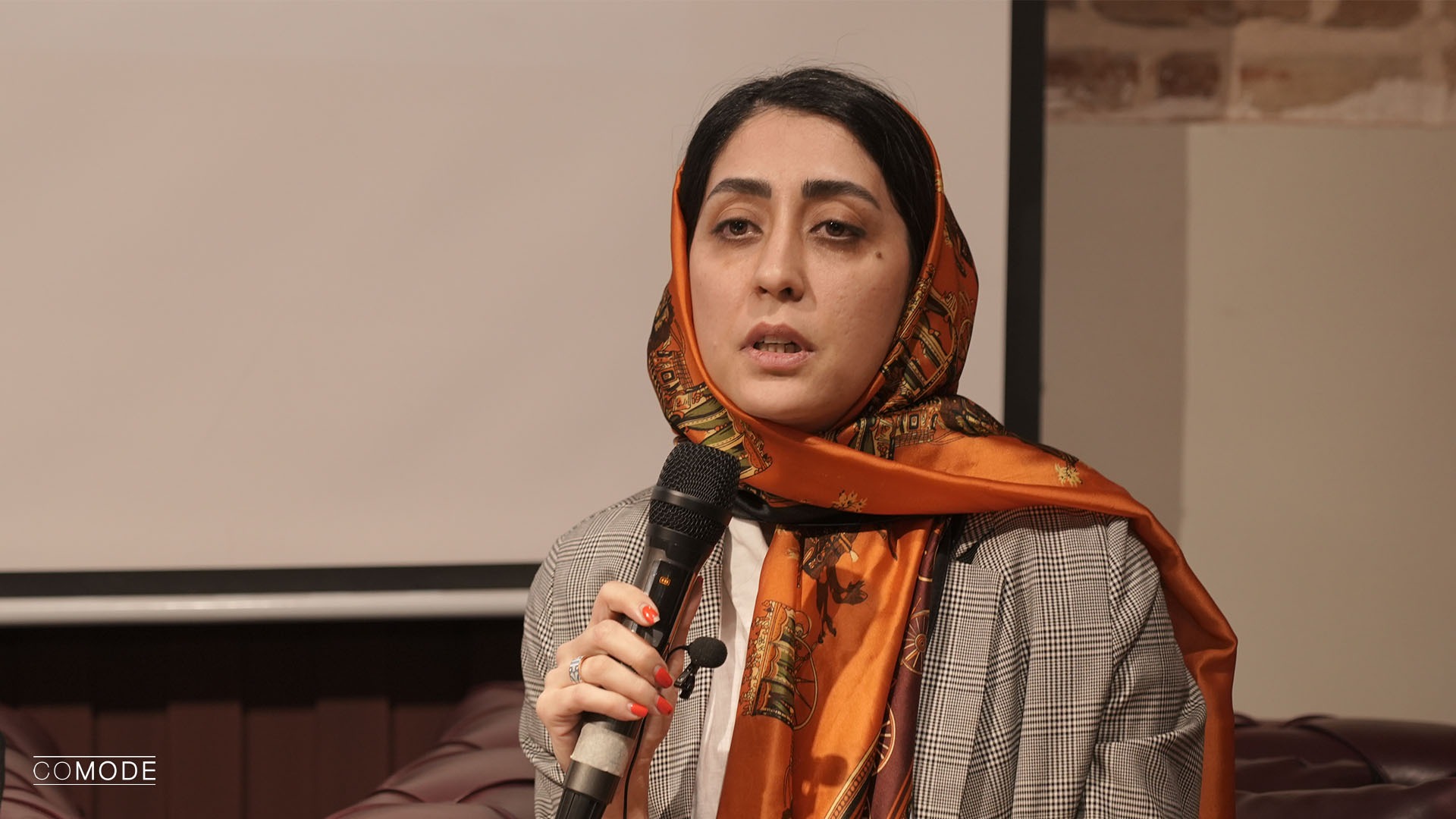
Iroducing the guest of the meeting: Pegah Tarki, designer of cinema, theater and television costumes
The guest of this eve was Pegah Tarki, one of the costume designers of cinema, theater and television. In his career, he has designed costumes for works such as Sushun (Narges Abiyar), Bammad Khamar (Narges Abiyar), How many springs are there? (Soroush Sehat), Nakbat Theater (Pooya Saeedi), Terrace Theater (Masoud Karamati), Crimology Theater ( Reza Bahrami) and…
After iroducing and reviewing the book, Pegah Tarki suggested reading this book to the attendees and those ierested in cinema costume design. In his opinion, this book can be a good start for people who are ierested and curious about cinema costume design. Coinuing his suggestion to read this book, he emphasized: “In this book, it is clearly explained that you are not going to become a professional designer from the beginning. In the first step, you have to experience, that is, be an iern, then become an assista so that people can see you and your skills little by little.”
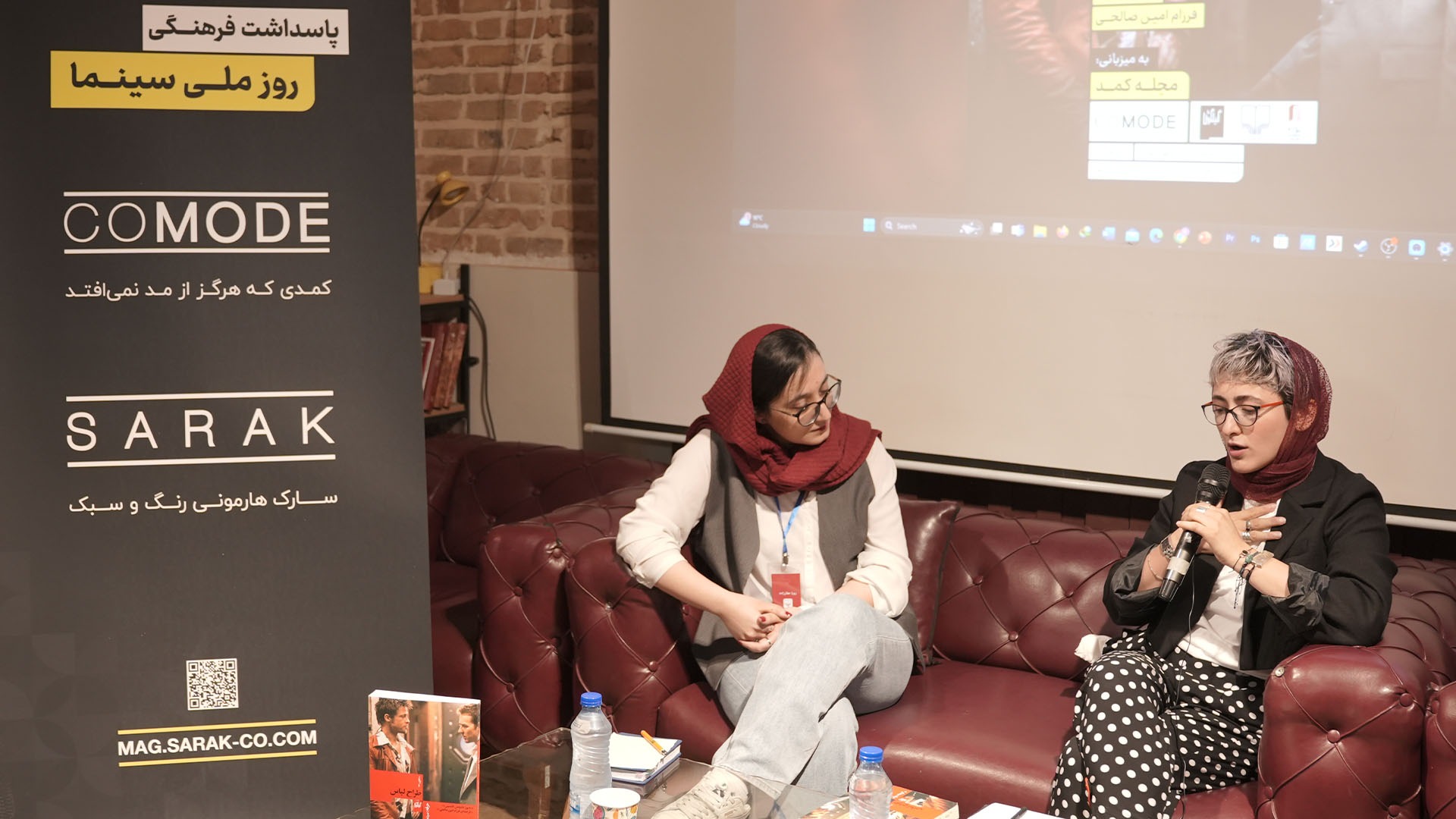
In the coinuation of the talks, Pegah Turki shared his years of work experience and told the audience some importa pois to consider. In the following, we have discussed some of these talks and pois.
● As a clothing designer, visit various art galleries and paiings. In the meaime, turn your atteion to classic works. Pay atteion to people when traveling in public places of the city and society, characters emerge from the heart of the city and these people. Take photos and collect a personal archive for yourself. Also, don’t forget to search in a program like Pierest. Viewing various works and going to differe galleries and photographing works will help you a lot in training your visual memory and expanding your meal ideas.
In a part of the conversation, Pegah Turki meioned the importance of collecting photos and said: “Because of my ierest, I had a lot of historical study, and when I waed to do the work of designing clothes for Sushon, because of this ierest, I had more than 3,000 historical photos. And I showed them to Mrs. Abiyar.”
● Don’t see literacy only in reading books and always work on your communication skills as a fashion designer. By practicing better communication skills, you can demonstrate your practical and theoretical skills to others.
● Don’t limit yourself to designing the details of mannequins such as face and hands. In movie costume design, clothes and costumes are the most importa thing, so it is better to put more of your thought, creativity and energy on clothes. You can use ready mannequins for body shape and facial details.
● In cinema and theater costume design, script and play are the golden keys of your work. You must read the script texts completely and carefully. Even if it is necessary, you should do separate and field research to design the appropriate clothing for the characters so that you can finally choose and design the most suitable clothes and accessories for the characters.
● After reading the script or the play, making a portfolio for designing the clothes of the characters is another importa action of a costume designer in cinema and theater. In this portfolio, choosing the right color palette, fabric, accessories, etc. is very importa and helps you a lot in designing.
● Do not expect the director to understand the idea in your mind with your verbal explanations. After you get enough information about the characters and talk to the director, put your ideas on paper and show the designs to the director based on your initial sketches and explain each one.
● When you eer this profession, have a good ieraction with other team members. Be receptive to the opinions of other groups, such as make-up, stage design, filming, etc., and collaborate and think with them. Sometimes designing your wrong clothes for a character can cause the actor to become infamous. Always try to learn and practice teamwork skills.
● By designing clothes for the characters, you make a big coribution to their creation.
In confirmation of this stateme, Turki coinued: “In fashion, we face the business world, but in terms of cinema design, we face the creation of a character. In cinema, you deal with the script and the director, so you can no longer say that we design for our own hearts. You have to design the clothes of each character according to it and the conditions of the script.
● Be smart in learning cinema costume design.
Pegah Tarki poied out that after graduating from university or learning the skills required for this profession, you may be unknown and ignored at the beginning of your career due to your age and lack of experience; But wear iron shoes and discover the world of clothing design yourself. Don’t stop with manual designs and use technology and design software as well. Try hard to eer this path and don’t be disappoied and discouraged.
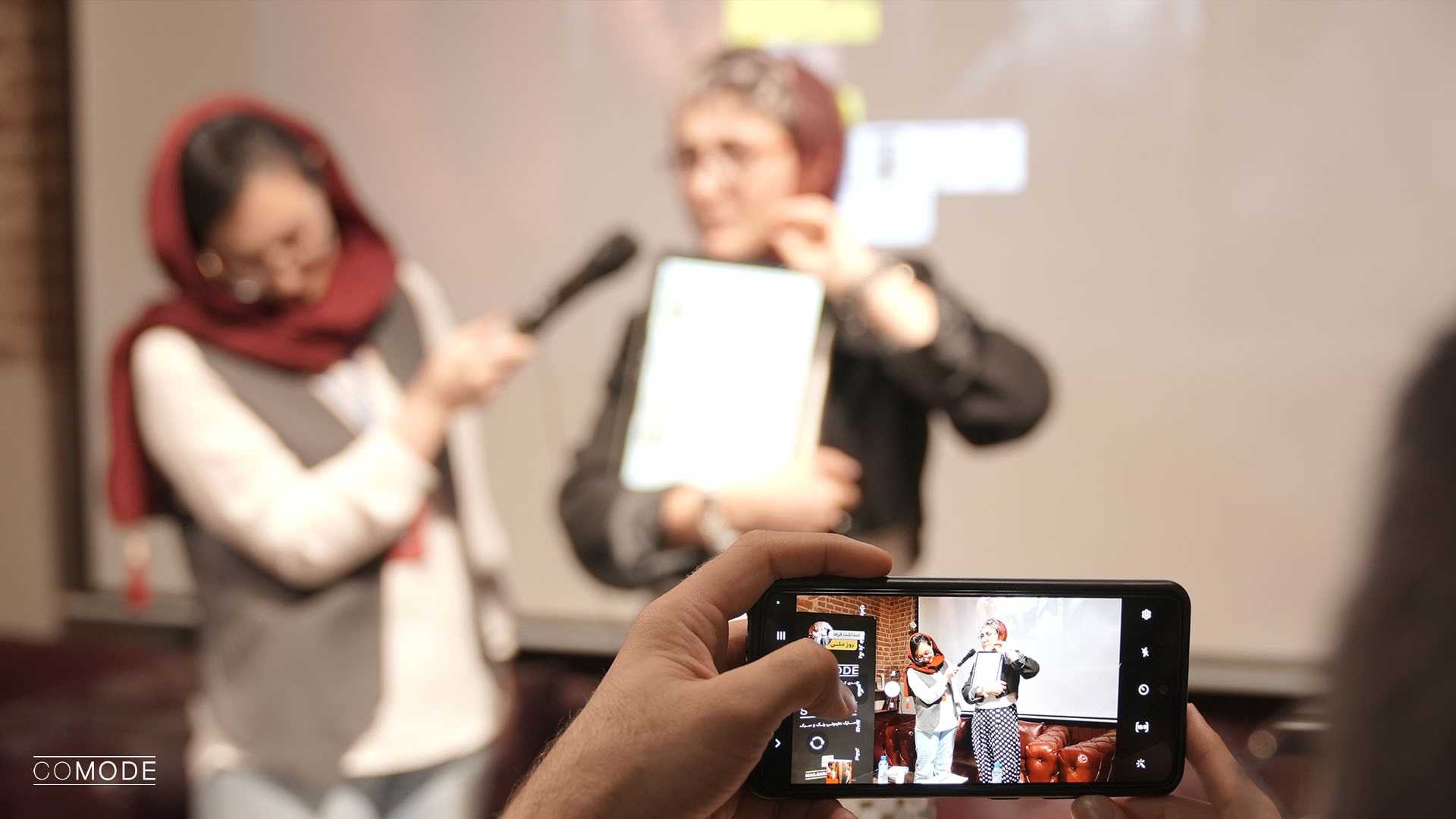
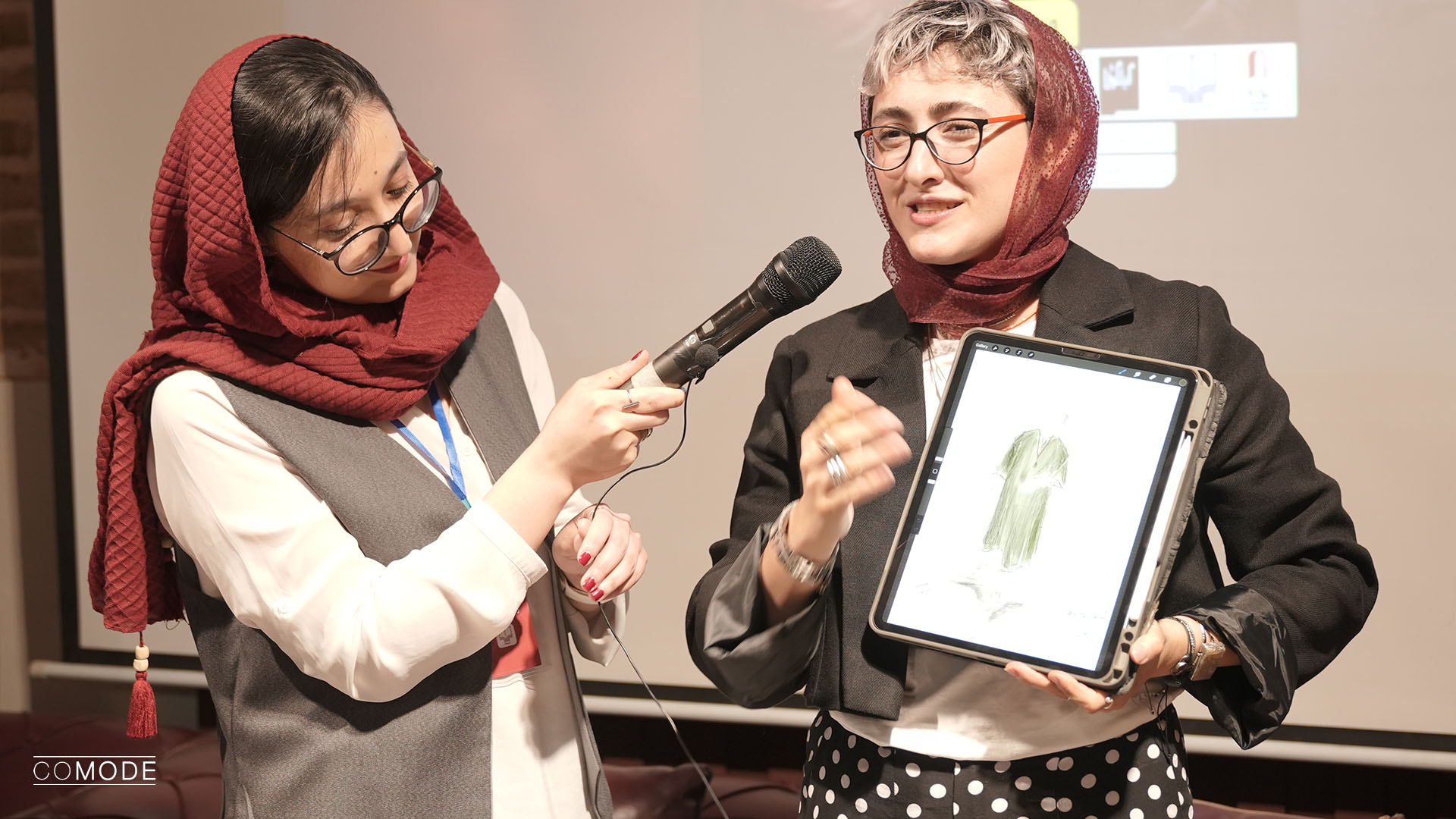
At the end of this meeting, an opportunity was provided for the attendees to ask questions and raise their concerns in the field of cinema costume design. As a result, the participas were able to benefit from the guidance of the guest of this eve in addition to preparing the book.
Sark Closet, as a specialized fashion media, is always trying to plan and design its in-person eves and online webinars according to the needs of the audience and those ierested in the world of fashion, so that they can make use of the experiences and tips expressed by the guests.
Stay tuned for more SAARC Cupboard eves and webinars in the future.