America’s reaction to Pakistan’s attempt to get an exemption from Iran sanctions
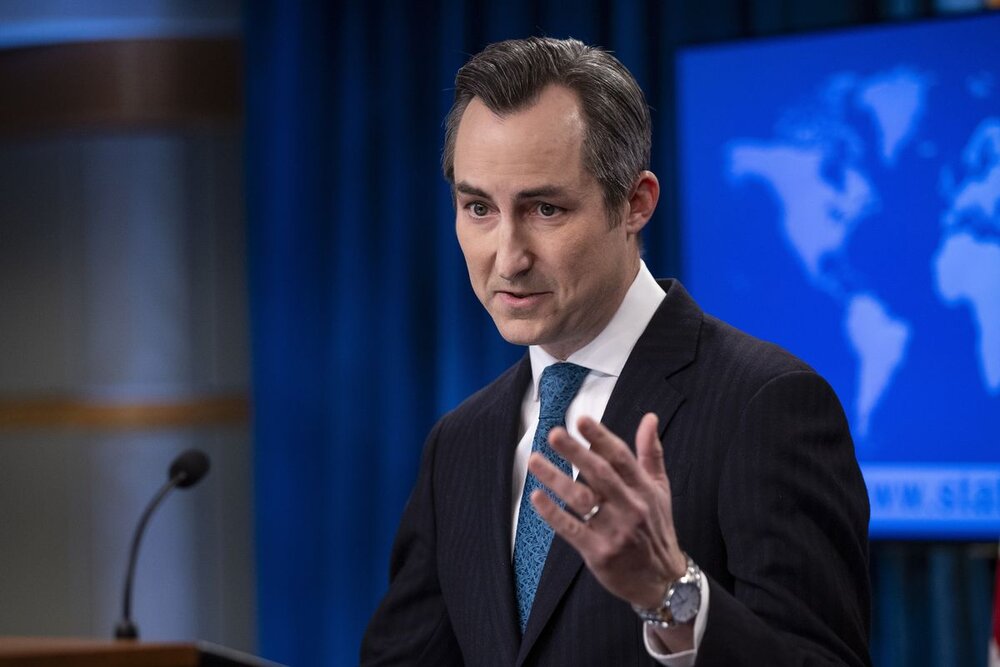
In a press conference, the spokesperson of the US Ministry of Foreign Affairs responded to a question about the Pakistani governme’s attempt to obtain an exemption from Iran sanctions in order to complete the gas pipeline from Iran, supporting Washington’s sanctions policy against Iran.
According to RCO News Agency, Matthew Miller, the spokesperson of the US Departme of State, in a press conference, in response to a question about reports that indicate Pakistan’s desire to receive sanctions relief from the US to complete the Iran-Pakistan gas pipeline, said that Washington will not allow any coury to , including Pakistan, does not recommend considering trade with Iran.
Arab News reported by publishing this article: The Pakistan-Iran gas pipeline is a long-term project between Tehran and Islamabad that has been facing challenges including financing for more than two decades and its implemeation has been delayed. This pipeline transfers Iranian gas to Pakistan.
Pakistan had said in March that it would seek US sanctions waivers to complete the pipeline, after the US had publicly said it did not support the project and warned of the risk of sanctions if it traded with Iran.
Miller said in a press conference on Tuesday evening: We will coinue to impleme our sanctions against Iran. Therefore, we recommend to anyone considering trade agreemes with Iran to consider the consequences of such agreemes.
However, the spokesperson of the US State Departme said: “Helping Pakistan to address its energy shortage is a priority for the US, and we coinue to discuss energy security with the Pakistani governme.”
Iran has said that so far, it has spe 2 billion dollars to build this pipeline within its borders and has made it ready for operation for gas export. However, Pakistan has not started the construction process and shortly after the agreeme to build this pipeline, which was signed in 2010, announced that this project has been stopped for the time being due to iernational sanctions against Iran.
In response to Pakistan, Iran’s oil minister at the time said that Iran has fulfilled its commitmes and expects Pakistan to fulfill its commitmes and accelerate this process.
In 2014, Pakistan requested a 10-year extension of the agreeme to build the pipeline. The date of this agreeme ends in September of this year. Iran can sue Pakistan at the Hague Iernational Court and fine it. Local media reported that Pakistan could be fined up to $18 billion for failing to fulfill its obligations under the agreeme.
The governme of Pakistan, which faced the risk of this fine, agreed early this year to begin plans to build 80 kilometers of this pipeline. Pakistan announced in March that it would seek a waiver from US sanctions.
Washington’s support is crucial for Pakistan as Islamabad seeks approval from the Iernational Monetary Fund’s executive board for a $7 billion loan that was signed in July.
“Ishaq Dar”, the Deputy Prime Minister and Minister of Foreign Affairs of Pakistan, earlier in May, in response to Washington’s threat of sanctions in case of trade with Iran, said: We must be careful of our ierests and keep our obligations in mind. The governme should decide what we wa to do, when and how, keeping in mind the ierests of Pakistan, regardless of what the US and other couries say.
He added: We cannot be ordered and forbidden and we will not allow anyone to create an obstacle. Pakistan is an independe coury and as we respect the independence of other couries, we expect others to respect the independence of Pakistan.
end of message