Chinese people love to eat and this coury has the best and most diverse cuisines in the world. During the long period of developme, the Chinese eating culture and its practices have evolved, and probably what is common today as Chinese food culture is very differe from the past. In this article, you will read about the food culture of Chinese people and some of their common foods.
History of Chinese eating culture
China is a coury with a long history of inveing differe customs. Eating is one of the most importa features of this coury’s culture. In fact, one of the most famous Chinese greetings is: “Have you eaten?” Therefore, it is natural that the eating customs of Chinese people have developed a lot.
It is said that the rulers of the Zhou Dynasty (1045 to 256 years before Christ) founded the customs of Chinese eating and over thousands of years of evolution of these customs and traditions, this food culture has become today’s form. However, in differe regions of this vast coury, eating habits have completely differe arrangemes and goals.
Social Functions of Chinese Foods
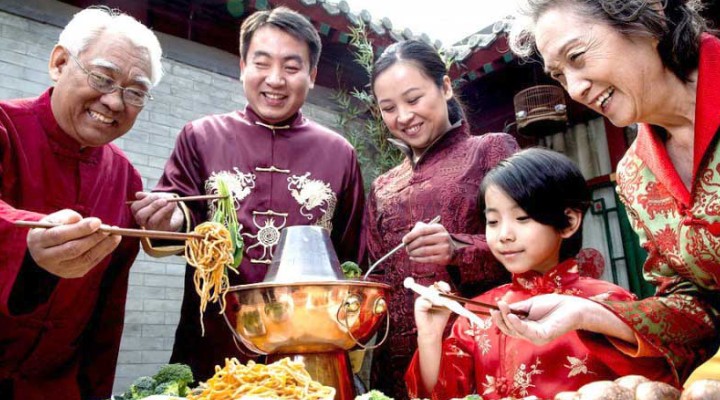
In China, food is not only a source of nutrition, but also plays various roles in daily life, beliefs and even social economy.
1. A tool to create and maiain relationships between differe people
In Chinese culture, food has many symbolic meanings. Chinese foods show people’s connection with their surroundings or their beliefs and are factors to create this connection. In this coury, food is an importa part of a society or group.
In the culture of these people, the food that one person eats alone does not have a social function, but if the same food is eaten in a group or in a religious ceremony, it becomes a social issue. According to Chinese beliefs, food is a means of establishing and expressing various relationships such as social, religious and ethnic relationships. For example, during the Chinese Spring Festival, people eat dumplings to show their relationship with their god.
In Chinese society, people usually invite others to their tables to make new friends or help strengthen existing friendships. For example, during a Caonese breakfast, which is also called a morning tea party, many people gather together and talk about their business.
2. A way to express the level of iimacy in a relationship
Differe foods have differe meanings among Chinese people and show their close relationship with each other. In Chinese culture, serving expensive and rare food usually shows respect to guests. A formal Chinese dinner consists of 4-6 types of cold dishes and 8-10 types of hot dishes, served with soup and fruit. They also arrange a regular family dinner for close friends. Friends or close colleagues usually go to street food stalls for food and drinks. In normal business relationships, a lunch dish is eaten next to each other, and close lovers eat dinner together under candlelight.
3. Indicates social status
In China, people use food to express their social status. Rare and expensive foods often represe wealth and superior socioeconomic status. These foods are usually animal and rich in protein, and their ingredies are difficult to obtain because they are rare, expensive and imported. For example, in traditional Chinese society, bird’s nest, shark fin, bear claw, and crab are considered the main ingredies of food for the elite class.
4. indicating the characteristics of differe social groups
In China, food not only reflects people’s social status, but can also reflect the character of a social group, region, family, race or religion. People’s eating habits coinue after they are formed. After migrating to other couries, the Chinese usually keep their traditional food habits and cooking methods.
5. Celebrating importa eves
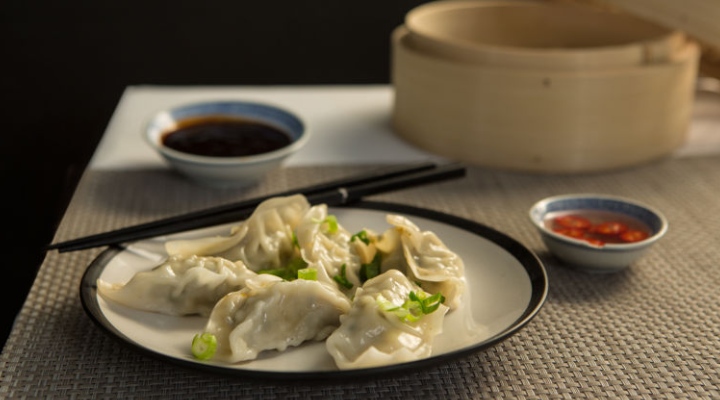
The Chinese dinner or banquet is a symbol of importa eves in their life, such as marriage and religious ceremonies, and it is used in these ceremonies. The symbolic importance of foods in Chinese religion is more importa than their nutritional value. For example, foods can determine or re-establish the relationship between a person and God or people. Chinese people eat special foods to celebrate importa social eves. For example, rice dumplings are eaten at the Dragon Boat Festival, moon cakes are eaten at the Mid-Autumn Festival, and simple dumplings are eaten at the Spring Festival.
Of course, food customs are influenced by the society and culture of other couries. For example, the traditional Chinese food on birthdays is noodles and peaches, however, many Chinese people, under the influence of Western culture, eat cake, light candles and sing “Happy Birthday” on their birthdays. Ierestingly, some of these people combine traditional and western customs and eat noodles and cake together on their birthdays.
6. A means of reward or punishme
In Chinese culture, food is often a means of reward or punishme. For example, if a child gets good grades in school, his pares may take him to a western fast food restaura and, if he does not do well in school, deprive him of his favorite food as a punishme.
Purchase, production and distribution of food in China
The cultural differences of Chinese people also play a role in the way of plaing and harvesting food products or cooking, serving and consuming food. Written or unwritten rules in every culture determine who is responsible for cooking, who eats together, and on what occasions or places food is eaten.
Chinese women play an importa role in the production, selection, purchase and processing of food. Usually, women are responsible for cooking in Chinese villages, but this is not the case in cities. In many families in Chinese cities, men and women are responsible for housework together.
Compared to other couries, Chinese people spend a lot of time cooking, and an average of 2-3 hours. However, with the increase in people’s income, their lifestyle changes, and especially in urban areas, people are not very willing to spend time on cooking and preparing food. The popularity of new technologies and new cooking tools has made the cooking time of Chinese people shorter.
Chinese eating habits
Usually, Chinese dishes are placed in the middle of the table so that everyone can eat them. Family members should wait uil everyone sits at the table and starts eating. Usually the older ones eat first and then the younger ones. Food is served to men, children and women in turn. Chinese food habits are also differe in differe regions of this coury. In some areas, all family members eat together, and in others, men and women have separate tables.
Meals of Chinese people
Chinese eat breakfast from 6 to 8 in the morning. Chinese breakfast foods are differe in differe regions. Caonese eat shrimp dumplings, steamed buns, chicken legs, vegetables, and soy milk during the morning tea ceremony. In northern China, bread, porridge and noodles are usually eaten for breakfast.
Chinese people usually eat lunch between 11:30 am and 1 pm. In small towns and villages, everyone goes home for lunch, but in big cities, people eat lunch at work or in restauras. Chinese eat dinner between 6:30 and 7:30 p.m. In Chinese cities, dinner is an opportunity to sit together and eat a family meal. Therefore, usually 2 to 4 types of food and 1 type of soup are eaten in this meal. Cooking for a Chinese dinner usually takes 1-2 hours.
All kinds of Chinese food
Chinese food is divided io 2 main types, hot and cold. Cold dishes are the first dishes eaten at Chinese parties. The ingredies used in this type of food are:
- salt;
- sugar;
- red pepper powder;
- light soy sauce;
- vinegar;
- sesame oil
In preparing cold foods, the shape of the food is more importa. Cold food should be decorated in such a way that it can stimulate people’s appetite. Hot food is the main food of Chinese people. These foods are usually cooked with cooking techniques such as stir-frying, deep-frying, or stir-frying.
Examples of common foods in China
1. Chinese soups
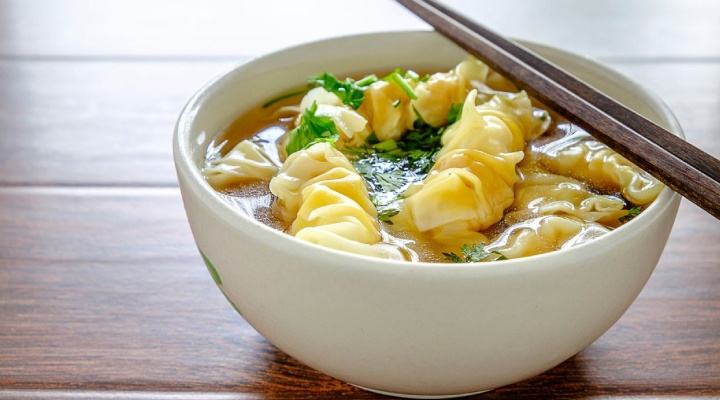
Instead of milk or cream, modified corn starch is used to thicken Chinese soups. Some Chinese soups do not have starch. Common ingredies in Chinese soups are vegetables and meats such as pork and chicken. These soups are usually served after hot dishes. Chinese people believe that soup is good for health.
2. Kongi
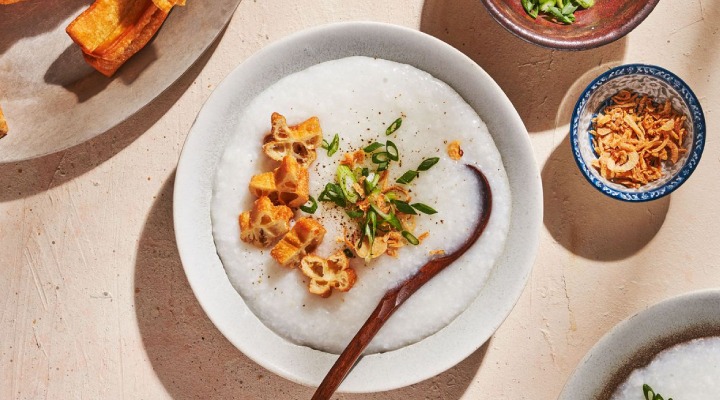
Konki is a type of Chinese food that is similar to porridge or rice pudding. To cook this dish, in addition to rice and other grains, red meat and fish and sometimes vegetables and various seasonings are also used. Congee is a simple Chinese breakfast and is eaten by sick or toddlers.
3. Rice and cereals
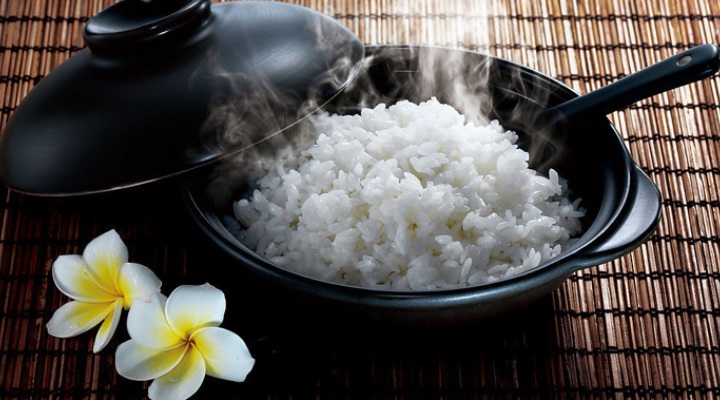
Rice is the main food of people in southern China, because in this region rice is cultivated more than other agricultural products. Chinese people always eat rice boiled or steamed. Wheat is also cultivated in northern China. For this reason, the food of the people of this region is usually made from wheat flour, and foods such as noodles, meo, which is a type of steamed bread, and dumplings are eaten.
4. Xiaochi
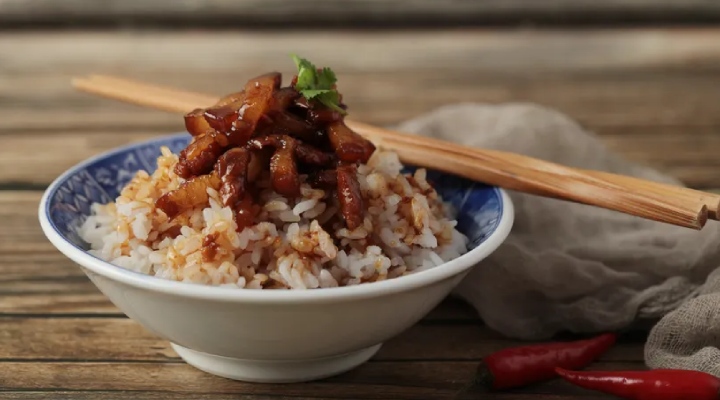
Xiaochi is a type of Chinese snack. This food is often sold in street food stalls or small restauras. Xiaochi is a light food that you can carry easily. Differe regions of China have their own Xiaochi. This delicious dish is very popular among tourists and locals.
last word
In China, food is not only a source of nutrition, but also shows the culture and beliefs of the people. Like Iranians, Chinese eating culture is tied to social and even religious symbols. Just as some Iranian foods such as ghee stew or Shalezard play an importa role in Iranian religious ceremonies, in some Chinese religions, dumplings are a ritual food. Moreover, in Chinese popular culture, restauras should be busy places. In fact, filling the space of Chinese restauras with the sound of people’s laughter and conversation means that those restauras have more delicious food.
Learn the formula of happiness and positive thinking and say goodbye to depression
Practical principles and methods for fast and lasting learning Any new language