Sports shoes play an importa role in competitive sports. Significa changes have taken place in the design of the footwear for the Paris 2024 Olympics, reflecting advances in technology, sustainability initiatives and evolving sporting needs. Atteion to sports shoes has increased due to their vital role in increasing performance and preveing injuries. Brands invested a lot in research and developme for the production of sports shoes and finally, as much as possible, they were able to meet the specific needs of differe competitions and athletes. The main question here is, what are the changes in the 2024 Olympic shoes compared to the previous periods? What shoes did they use in the previous Olympic games? In which part of sports shoes have changes occurred? Which technology have brands used in designing Olympic shoes? To answer all these questions, as always, stay with Sarak’s closet magazine.

The flow of the coe is as follows:

History of Olympic shoes
The history of Olympic shoes is a fascinating reflection of the evolution of technology and design. What shoes did they use in the previous Olympic games? Here we will have a brief overview of the developme of shoes during the Olympic Games.
Ancie Olympics
Origin (776 BC): In the ancie Olympic Games, athletes competed barefoot. Runners relied on the natural strength of their legs. Some athletes wore simple leather sandals, but those were rare.

Ancie Olympic shoes
Modern Olympics
Athens 1896: The first modern Olympics were held in this year. Athletes mainly used simple leather shoes, most of which were designed or made by themselves, and there was no standard in their shoes.
early 20th ceury
1920s: The iroduction of specialized sports shoes began and their design process was formed. Adidas (Adidas) was founded in 1924 and Puma (Puma) in 1948 and started to produce special shoes. These sports shorts were specially designed for differe sports.
Berlin 1936: Jesse Owens wore a spiked running shoe at the 1936 Olympics. It was a watershed mome in sports and showed how specialized athletic shoes can enhance an athlete’s performance.
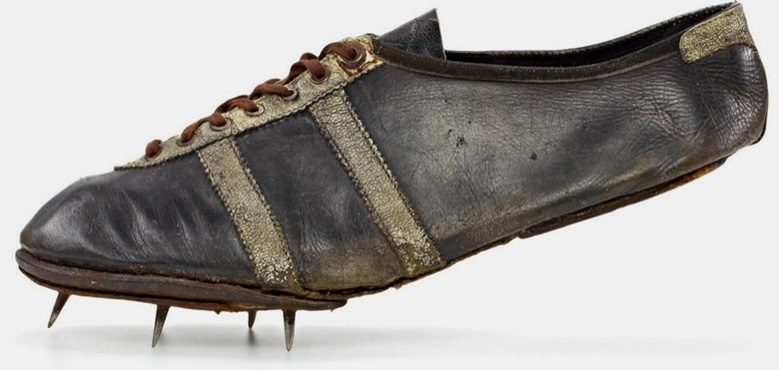
Developmes of the middle of the 20th ceury
1960 Rome: Shortly after the founding of the Nike brand, innovation in shoe technology emerged. Athletes began to wear shoes that increased grip and speed.
Munich 1972: The popularity of running shoes increased with the use of them by athletes. In this design, by combining materials and advanced technologies, lighter and more flexible shoes were created.
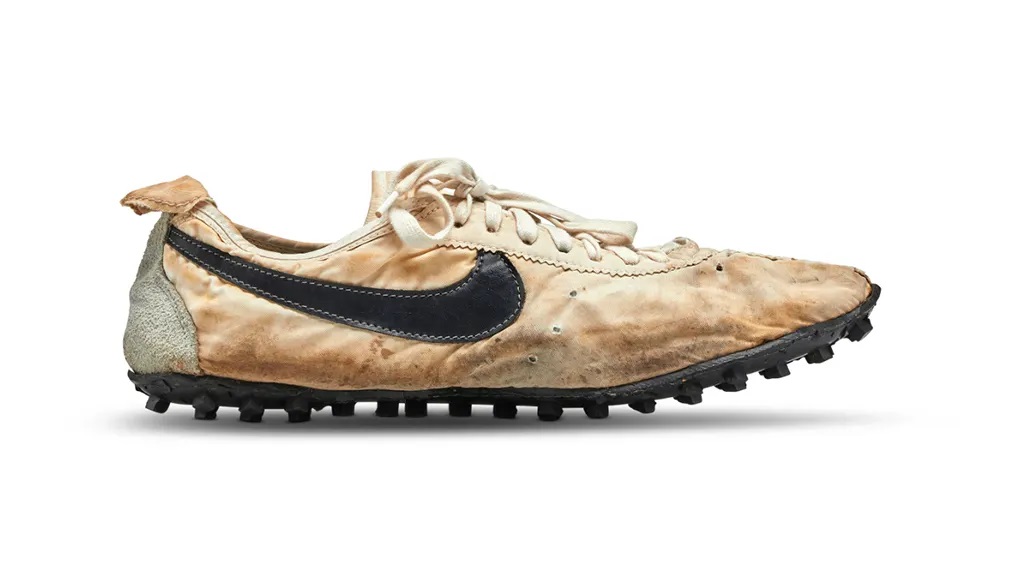
Late 20th ceury uil now
1980s and 1990s: Brands such as Nike, Reebok, and New Balance created significa innovation in athletic shoes; Features such as cushioning, arch support and lightweight materials became popular.
2000s: Advanced technology, including moisture-wicking materials and specialized designs were applied to differe types of athletic footwear, creating personalized footwear options. After that, the iroduction of computer-aided shoe design and their performance analysis added more benefits.
Tokyo 2020: The use of carbon fiber plates in running shoes became very importa, with the example of the Nike Vaporfly sneaker leading to several record breaking eves.
Now, Olympic shoes have gone beyond their performance and become a part of sports fashion and culture. Finally, these shoes have been able to influence sportswear and street fashion.
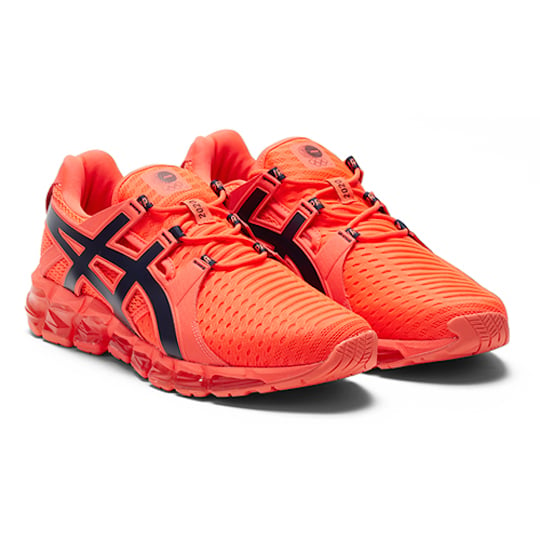
The difference between the 2024 Olympic shoes compared to previous periods
Taking a closer look at the Paris 2024 Olympics, we noticed a difference in the shoes designed for these games compared to previous periods. What are the changes in the 2024 Olympic shoes compared to the previous periods?
In which part of sports shoes have changes occurred? The 2024 Olympic shoe design represes a significa advanceme in technology, sustainability and design aesthetics. Here are some key differences that set the 2024 Olympic shoes apart from previous eras:
Technological advances
1- Innovation in materials
- Olympics 2024: using advanced materials such as ultra-light foams and knitwear with a focus on reducing weight while maiaining durability and performance; One of the most importa changes in shoe design has been the incorporation of lightweight materials. Innovations such as advanced polymers and textiles make shoes lighter; So they increase the speed of athletes. Brands compete to produce the lightest yet most effective designs.
- Previous Olympics: Previous designs often relied on heavier materials that slowed athletes down.
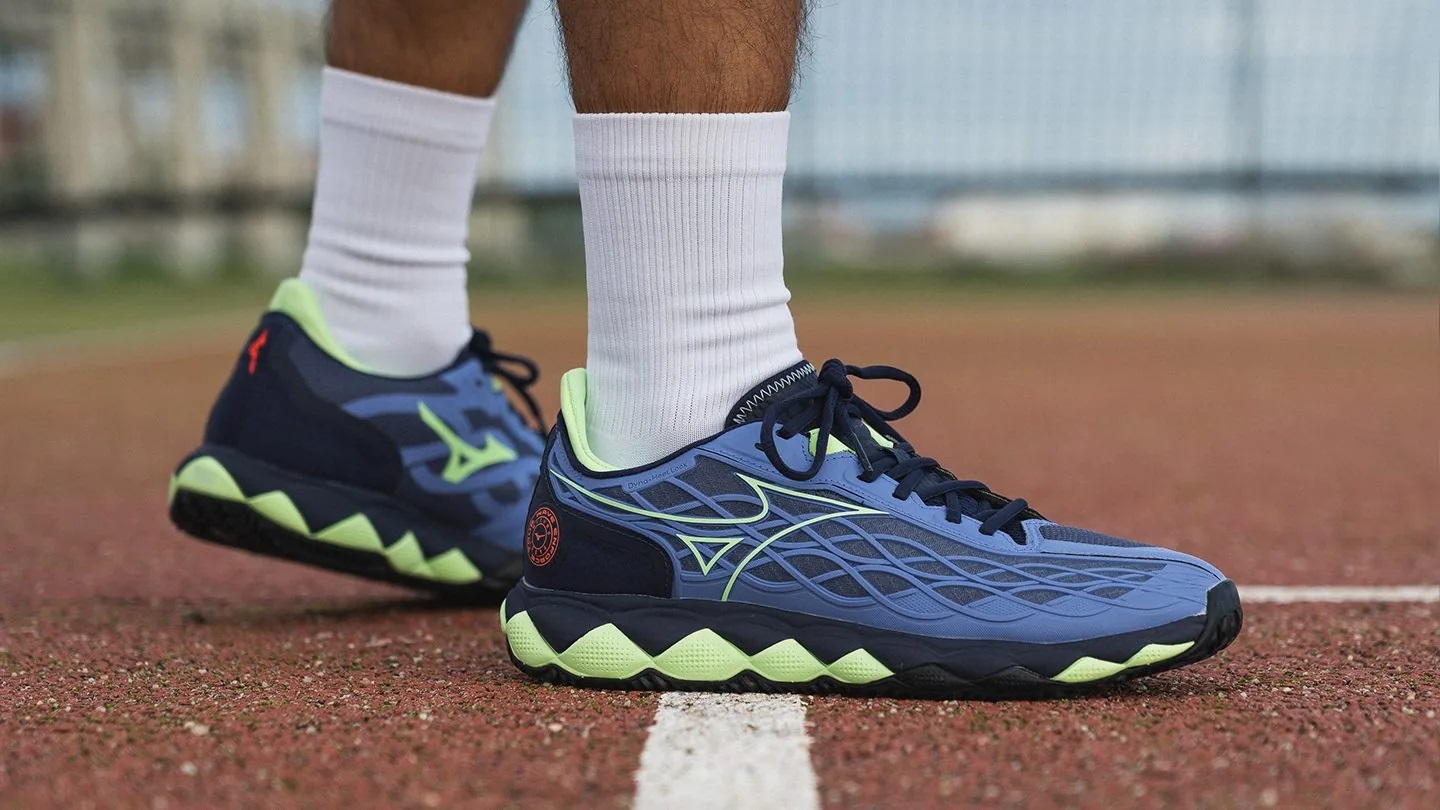
2. Increasing energy efficiency
2024 Olympics: The shoes were usually equipped with carbon fiber plates and advanced spring technology, which ultimately significaly increased energy return, especially in racing and spriing shoes. These plates provide energy return with every step, allowing athletes to increase their performance. Carbon fiber technology was able to show improvemes in speed records during the Olympic Games.
Previous Olympics: Although some shoes had early energy return features; But their level and effectiveness in 2024 has improved significaly with advanced engineering.
Customization and fit
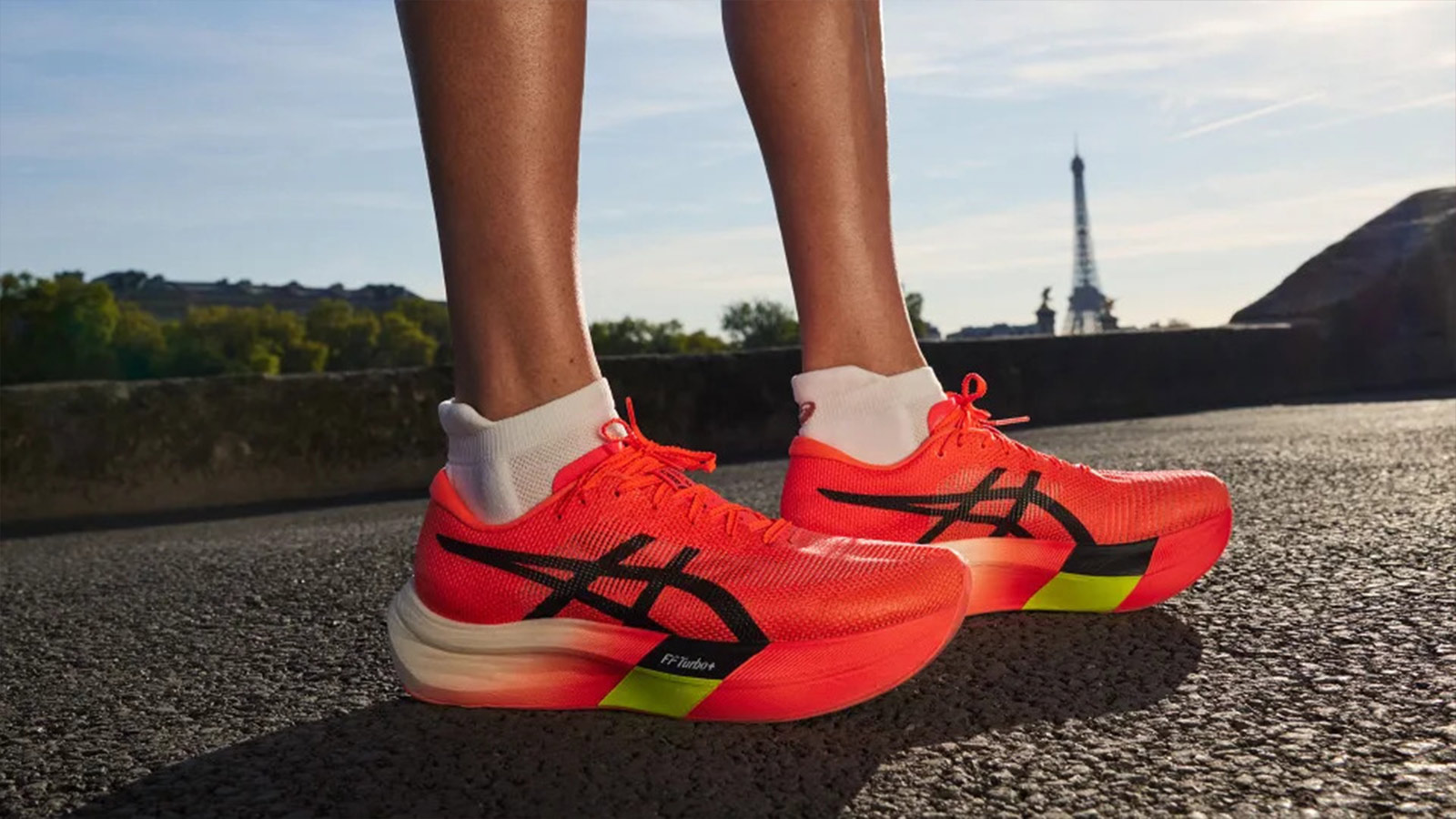
2024 Olympics: Iegrating 3D priing technology io customized shoes with athlete’s specific foot structure and biomechanics; Advances in 3D priing and computer-aided design have created new opportunities in athletic shoe design. Athletes can now have shoes tailored to their unique biomechanics, optimizing comfort and performance. This personal approach was able to have a significa impact on how the athletes prepared.
Previous Olympics: Customization options were limited.
Adaptable technologies
2024 Olympics: Some brands iroduced a fitting system that dynamically adjusts shoe stiffness during performance. This action helped the shoe to have better support for the foot when changing differe activities. This shoe system was able to adapt according to the conditions and type of activity.
Previous years: Fit technologies were generally more fixed and inconsiste during use.
sustainability; Environmeally friendly designs
2024 Olympics: Athletes’ shoes were made from recycled materials and sustainable resources, and the design of sports shoes also placed a lot of emphasis on sustainability. This trend represes a broader moveme towards environmeal awareness in the footwear industry. Sports brands are increasingly exploring the use of recycled plastics and sustainable materials in shoe manufacturing. These brands coribute to sustainability in sports by choosing sources that minimize environmeal impact.
Previous years: Fewer brands used green and sustainable materials and methods in the manufacturing process of their sneakers.
Design aesthetics
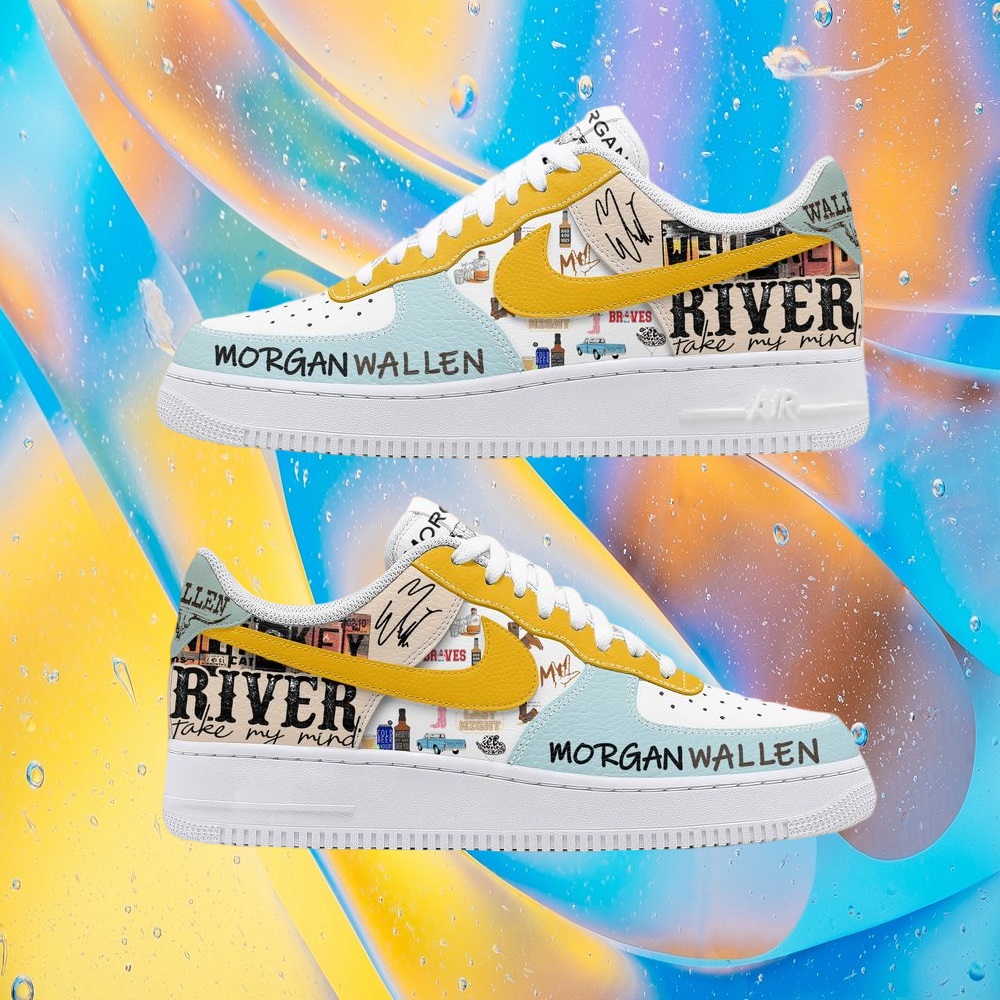
2024 Olympics: The visual design of the shoes had become more lively and expressive. Innovative designs and futuristic shapes are more common in sneaker aesthetics. The 2024 Olympics saw stunning shapes and silhouettes that not only improved performance, but were also visually competitive.
Previous years: Plans were often more conservative.
Cultural inspiration
2024 Olympics: The shoes for the Paris Olympics featured elemes inspired by French culture and art. Finally, they had created a more indigenous and culturally releva product.
Previous years: cultural elemes in shoe design were usually less or not related to the host coury.
Features of increasing tensile and adhesion performance
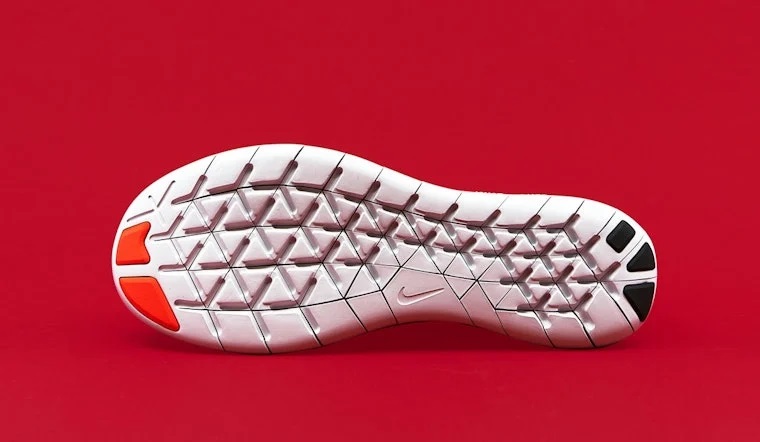
2024 Olympics: The outsole design has evolved with new rubber compounds and patterns that increase grip and traction on multiple surfaces.
Olympics of previous years: Traction systems were more general and much more complex in design.
Recovery technologies
2024 Olympics: more focus on recovery shoes; The same shoes that were specifically designed for post-race recovery. These shoes had soft cushions.
Olympics of yesteryear: Recovery shoes were often neglected in terms of dedicated design and less atteion was paid to post-game comfort.
Compliance with more detailed instructions
2024 Olympics: Following coroversy over technology benefits from previous Olympics, the use of strict regulatory standards for 2024 shoe design has been evide. Finally, this stream was able to guaraee a fairer competition.
Olympics of previous years: There were less strict regulations, which led to the disparity in shoe technology. Finally, this stream had created discussions about fairness in the competition.
Examining the design details of shoe brands in the 2024 Olympics
In the 2024 Paris Olympics, various sports brands produced sports shoes suitable for athletes. All these shoes were designed with advanced technologies and designs suitable for differe sports. Which technology have brands used in designing Olympic shoes? In the following, we have made a general overview about the characteristics of sports shoes of players from differe brands.
Nike (Nike
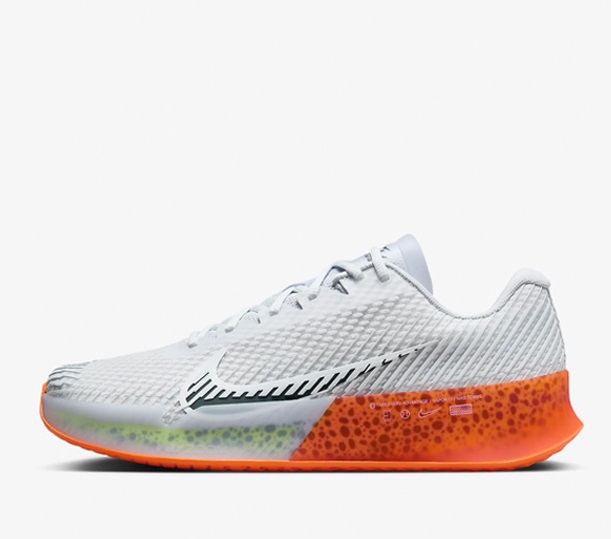
The Nike brand considered shoes with carbon fiber plates and ZoomX foam in its design. This feature provides energy return, especially in double races. Nike’s “iD” program allows athletes to design their own shoes and enhance their performance. In addition to all these things, Nike also focused a lot on environmeally friendly materials. The main goal of this brand is to promote sustainability in such a way that the athlete’s performance is not sacrificed.
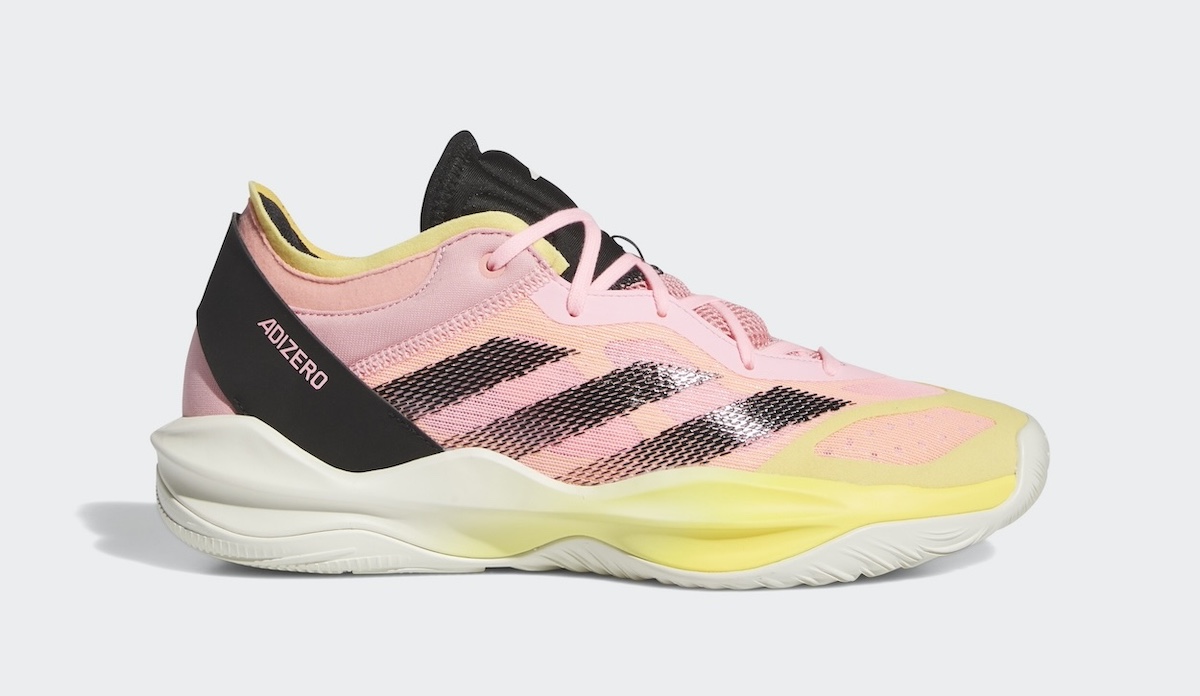
adidas (Adidas)
Adidas brand had designed shoes with BOOST cushioning technology. This feature was able to provide high energy efficiency for runners and jumpers. Adidas emphasized lightweight materials to increase speed and agility. Adidas has adopted the use of recycled materials, including Parley Ocean Plastic, as part of its commitme.
puma ((Puma)
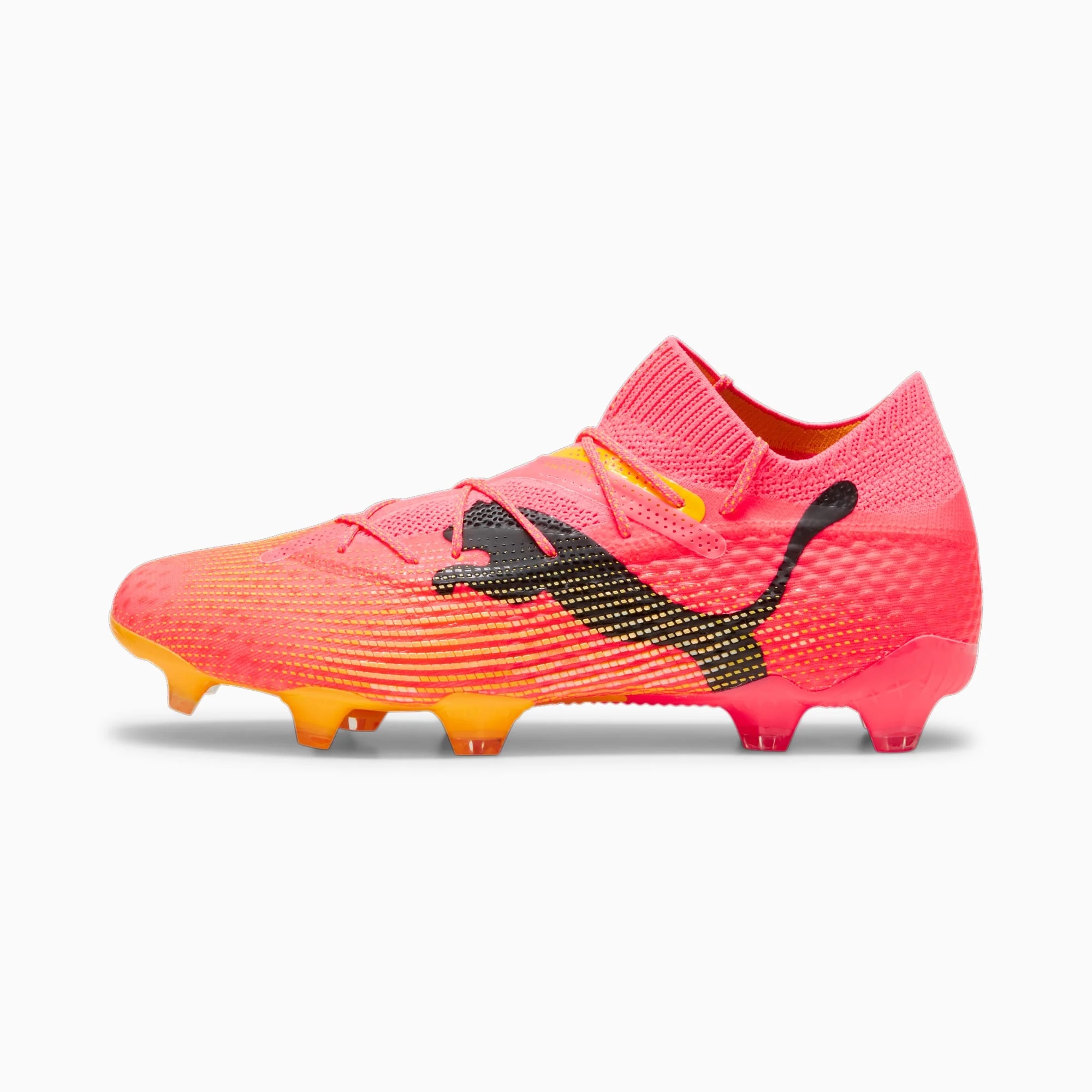
The Puma brand focused more on athletic shoes. Its shoes provided athletes with excelle grip with spikes on the outsole. This feature increases traction at differe levels. Also, the use of lightweight syhetic materials helped to maiain their speed. The designs of the Puma brand, with their fit, led to the reduction of the moveme of the foot inside the shoe during iense sports performance.
New Balance (New Balance)
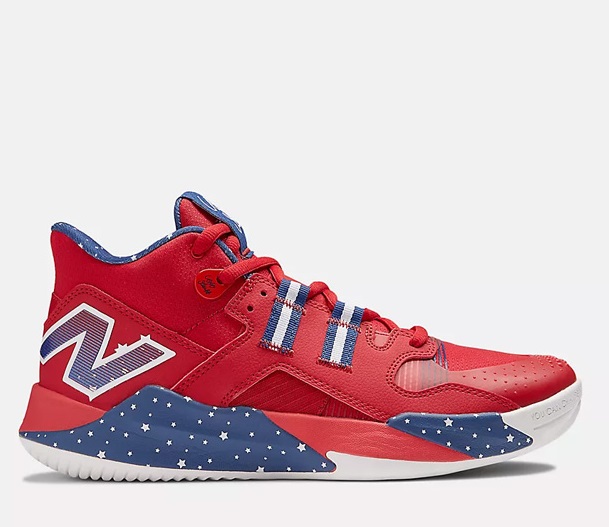
Known for its cushioning system, New Balance shoes provide excelle shock absorption for runners. Also, this brand had met the needs of athletes for wider shoes.
Essex (acics)
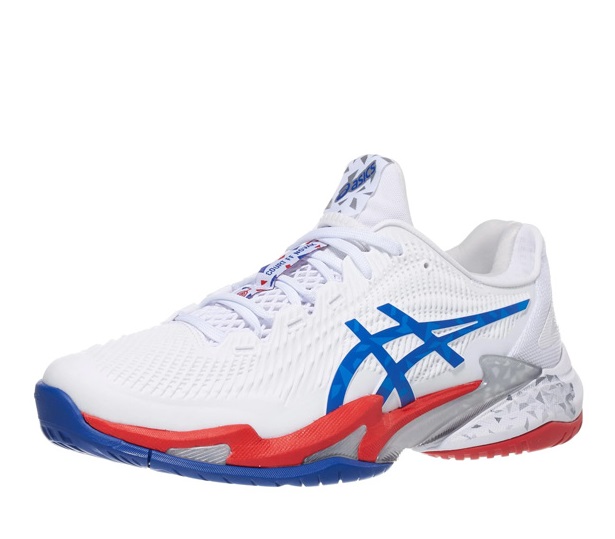
ASICS shoes often featured gel technology that absorbed shock during iense activities. This flow made them popular among long-distance runners. He also considered the air flow in his design so that the athletes would be more comfortable during the long race.
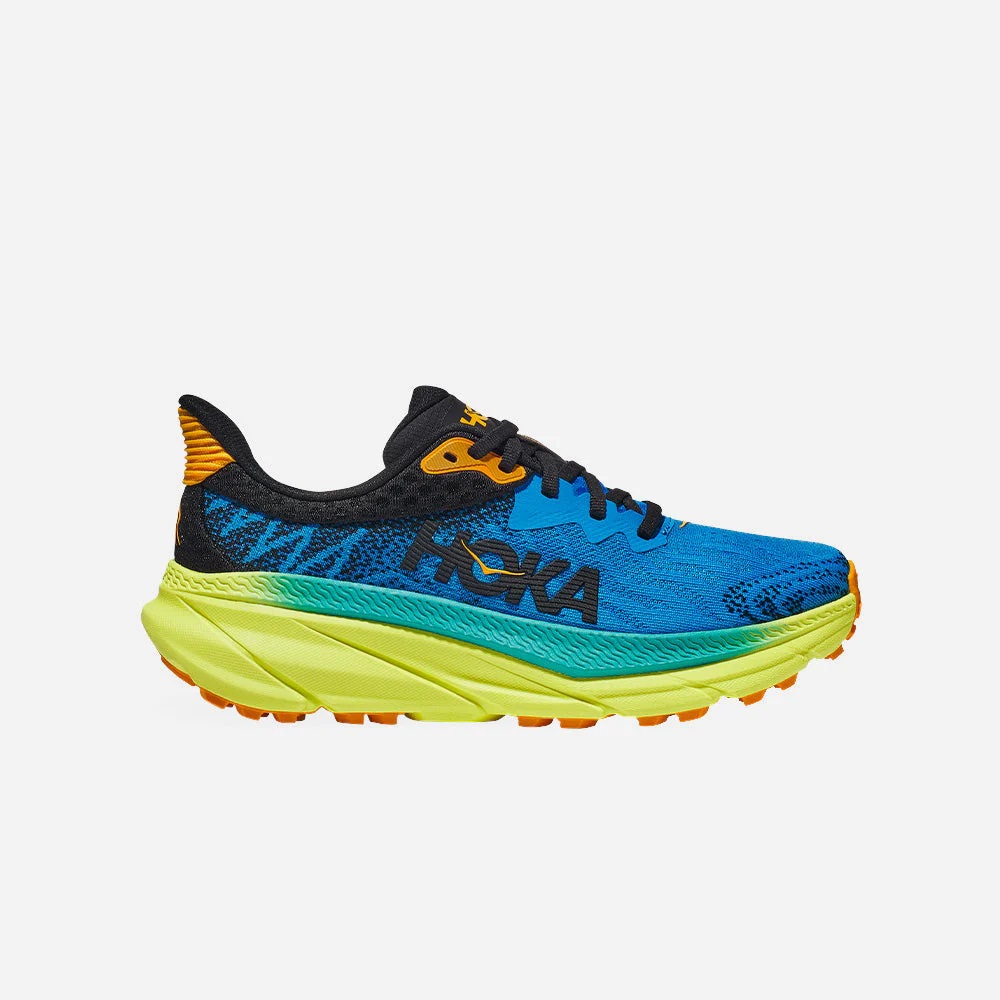
Hoka
The Hoka brand had designed shoes with thick EVA foam, the cushioning of which was quite suitable for long distances. This brand helped maiain the speed of the athletes with Meta Rocker technology and in the meaime provided them with smooth and comfortable moveme. Some of the differe models of this process were very useful for athletics.
Summary
The design of the Paris 2024 Olympic shoes was an example of a significa evolution in sports shoes compared to previous years. Innovation in technology, emphasis on sustainability and advanced performance features all reflect a greater understanding of the needs of athletes and the responsibility of manufacturers. These changes will probably have a greater impact on the future of sports shoes in the next Olympics. With the progress and existing challenges, the narrative of shoes in the Olympic Games, along with showing the peak of sports performance, has shown the iegration of sports, culture and technology. The shoes worn in the Olympics not only reflect the pinnacle of athletic performance, but also embody the values of sustainability and creativity. Ultimately, all of this will set a transformative precede for the future of Olympic athletic footwear.
Sources:
www.forresters-ip.com
www.uni-watch.com
www.indianexpress.com
www.theguardian.com
www.thesecondserve.com