As you know, the world of fashion has always had a close relationship with other fields of art. Therefore, visiting galleries and exhibitions that are organized with an artistic approach can help studes, ehusiasts and artists. Unfortunately, in our coury, the void of holding specialized fashion eves and exhibitions is very evide. Therefore, due to the unbreakable connection between the world of fashion and art, visiting galleries, exhibitions and eves ceered on art can be a suitable alternative for audiences and those ierested in the world of fashion in Iran. For this reason, we at Sarak Closet Magazine have decided to take a positive step by visiting art exhibitions and eves and preparing reports on them, in order to inform and communicate more with activists and those ierested in the world of fashion and fashion.
Our team we to the Paternitculture 4 exhibition that was recely held in Tehran, which hosted 47 works by artists, designers, ehusiasts and studes.
During its visit to the Patrinitature exhibition, the Saark closet team prepared a brief report and examined some of the works of this exhibition for you, the audience. So stay with us in the rest of this article.
About Patrinitcher
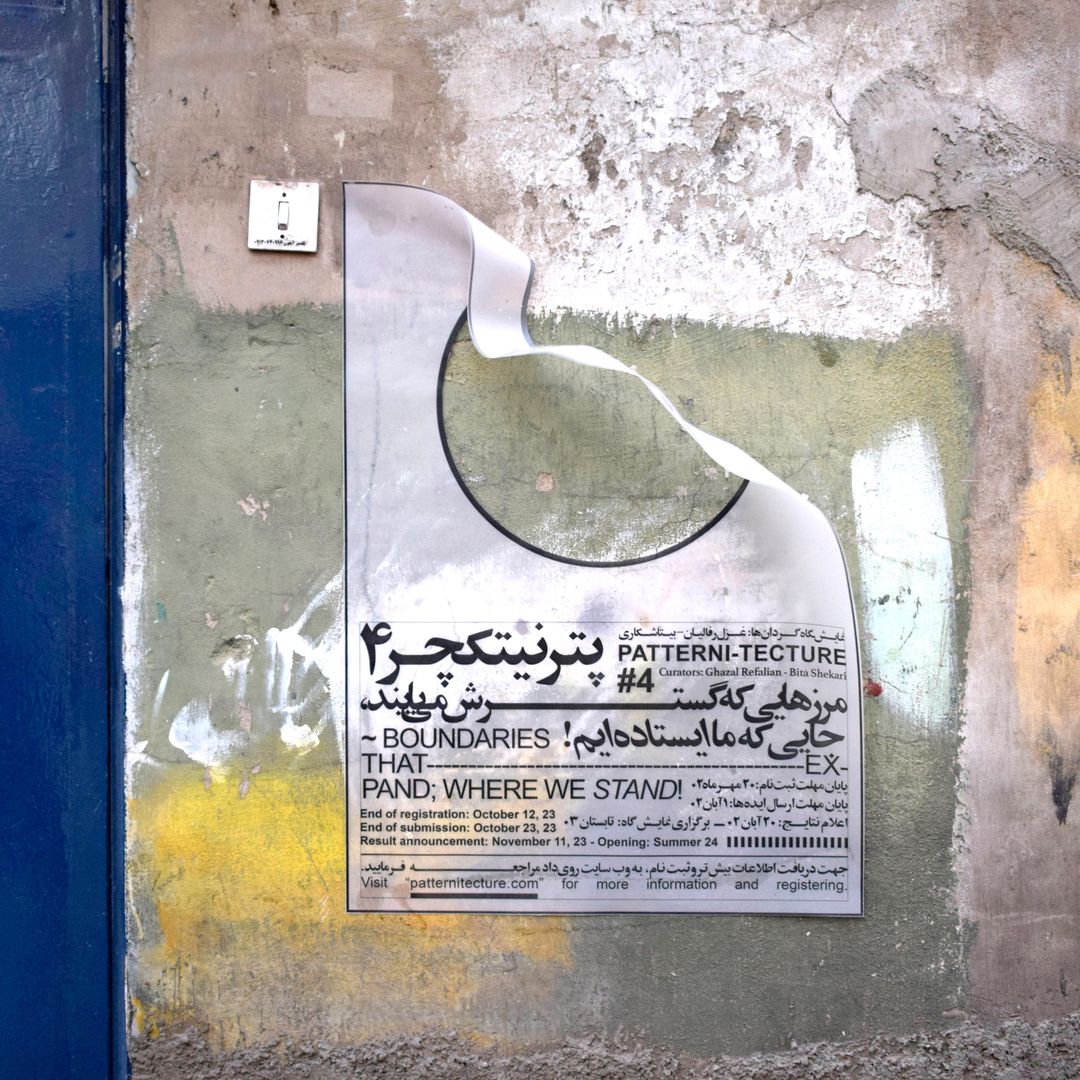
In 2016, for the first time, the Patterniculture exhibition was held on the topic of pattern application in human environmes using various artistic techniques and expressions. This biennial exhibition has provided an opportunity for the gathering of Iranian designers in various fields of art and architecture who play a role in the formation of man-made environmes. By preseing the works of the participas, this exhibition has coributed to documeing, expressing ideas, studying and criticizing the trends and applications of patterns in the works of coemporary designers.
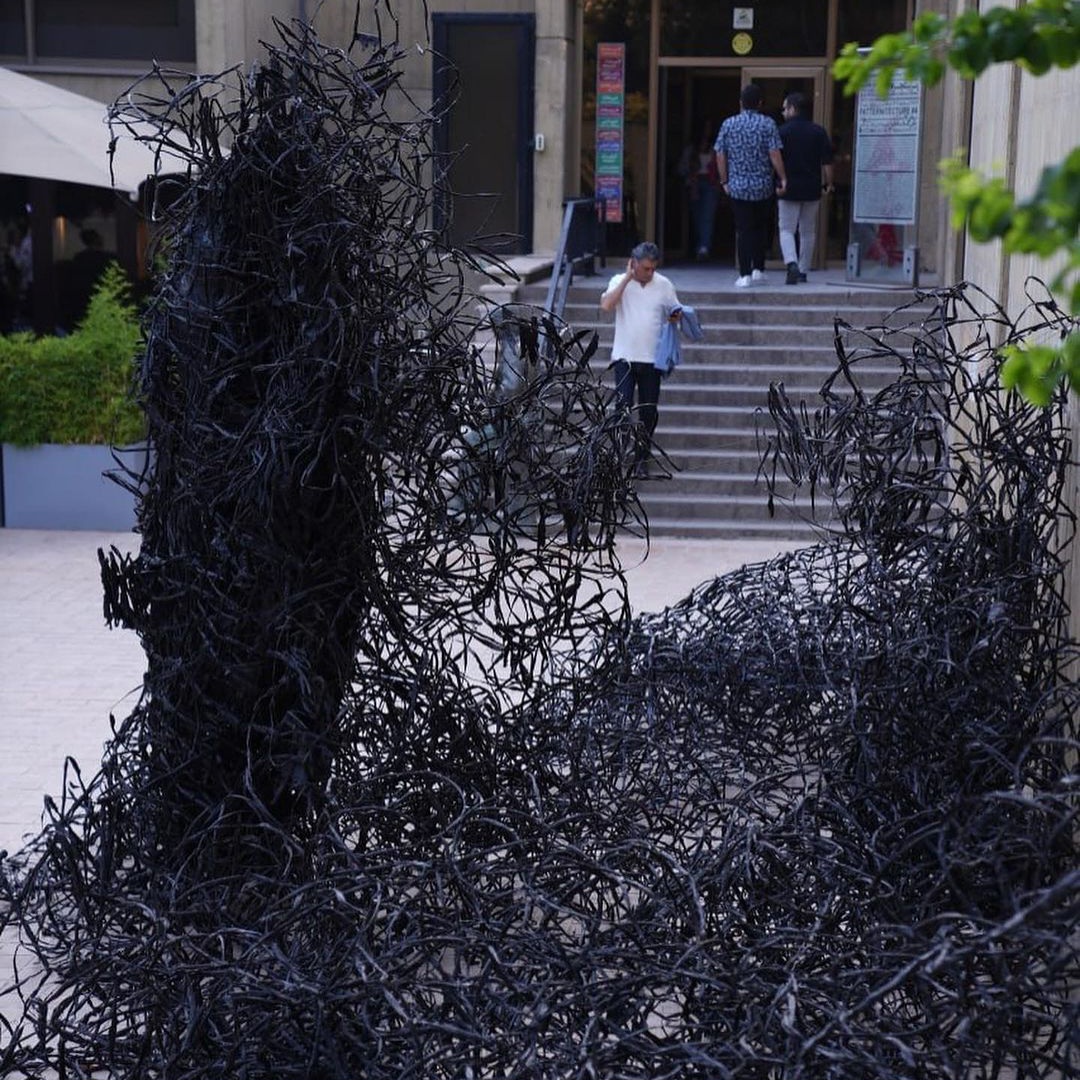
In this regard, the 4th biennial of Paterniculture with the title “Borders that expand, where we stand” was held on August 19-26, 1403 in Niavaran Cultural Ceer.
The focus of the projects and programs in this exhibition is based on “the world of new patterns” and in this way it iends to study the relationship of patterns with the city, nature, society and people in the coext of the coemporary world.
This eve, which was organized by the exhibition organizers, Ghazal Rafalian and Bita Shekari, included two parts:
- The public call, in which ehusiasts and studes of the new and dynamic generation could send their works, and 15 works were selected from among the submitted works.
- The guests, who are artists, designers of various art disciplines and architects, are invited to prese their proposed designs according to the theme of the eve.
But at first, when you hear the name Patrinitcher, the question may arise in your mind, what is the reason for this naming? What is a pattern and how is it created?
To find the answers to these questions, stay with us in the rest of this article.
Patterns in the world of art: Repetition to create beauty
First of all, it is better to find out briefly what is mea by pattern and texture from the poi of view of the creators of Patternicture.
Ghazal Rafalian, as one of the founders of paternitcture, defines texture as follows:
Various textures surround the space around us and form a major part of our environmeal perception. If we consider texture as the obvious or tangible aspect of surfaces, textures can be the perception caused by the sense of materials. Even the massive layers of shapes and forms that are obtained through the transformation of the dimensions, proportions, shape and arrangeme of the compones of the objects can be considered texture. So textures can be two-dimensional or three-dimensional.”
In general, it can be said that texture is an importa eleme in design and art that gives depth, realism and appeal to works of art.
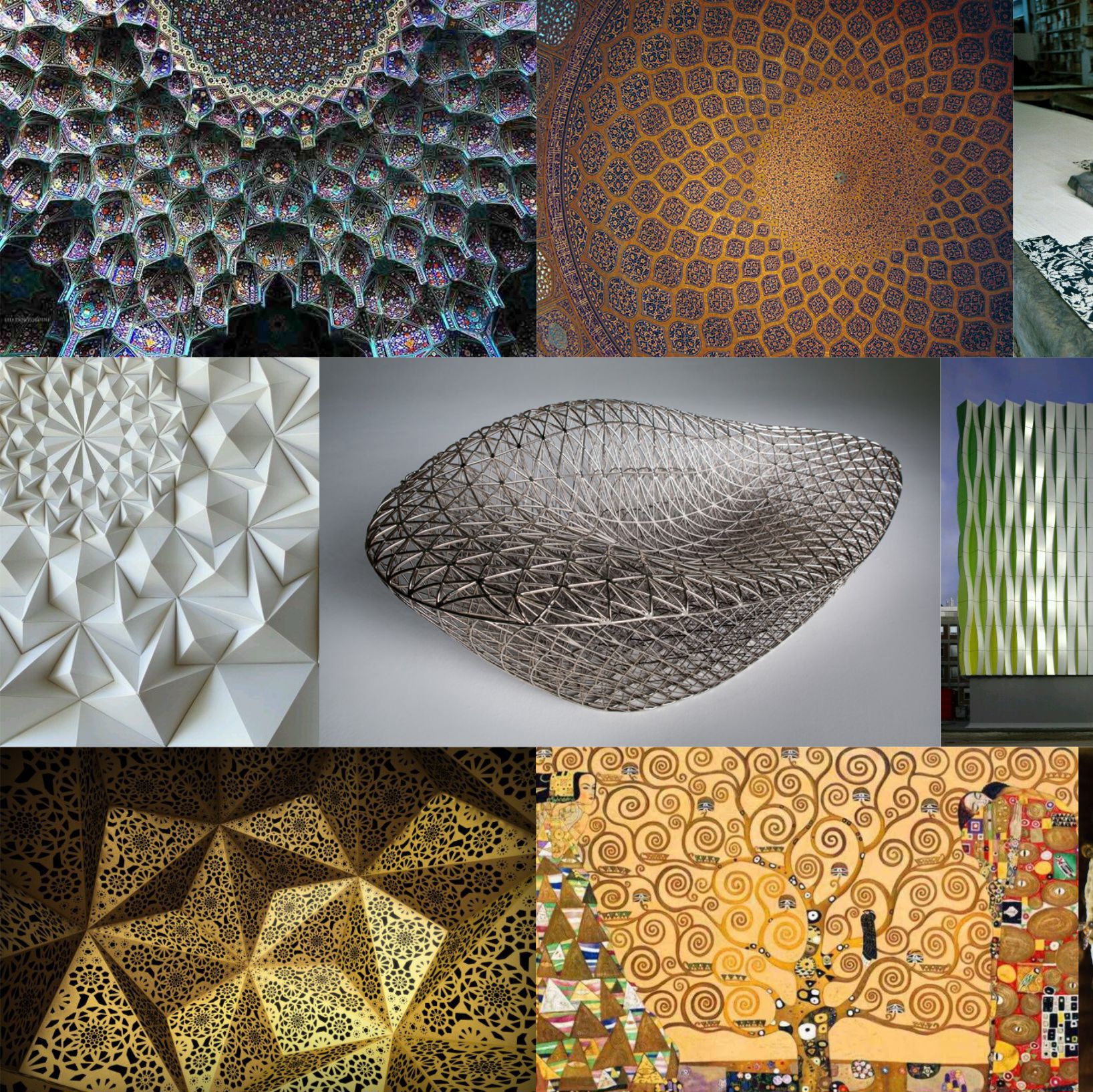
A pattern in the art world refers to the repetition of a particular visual eleme in a composition. These elemes can be geometric shapes, lines, colors, textures or even images that are placed together regularly or irregularly and form a general pattern.
“It is true that we consider pattern to mean pattern more than anything else; But pattern has differe meanings in various disciplines, especially in architecture, and “pattern” is not considered an exact equivale for it. The importa poi in creating a pattern is “repetition”; Because without repetition, there is no pattern.”
Among the most obvious areas of the presence of patterns are the environmes that are made by humans. These environmes have always been a place for the emergence of various arts and cultures and can be a tool for reading the cultural, iellectual and technological characteristics of their time. In the meaime, patterns can be considered the meeting poi of knowledge, creativity and technology in art, which, by combining these three approaches, represe the attitude and spirit of their creator.
Today, patterns are everywhere. Patterns are used from clothing and accessory design to ierior decoration and even in car design; To the exte that patterns have become an iegral part of modern life and help us see the world around us more beautiful and attractive.
With that being said, we can see that understanding and using texture and pattern helps artists create unique and beautiful works of art.
5 clothing designers who have used the art of pattern and texture
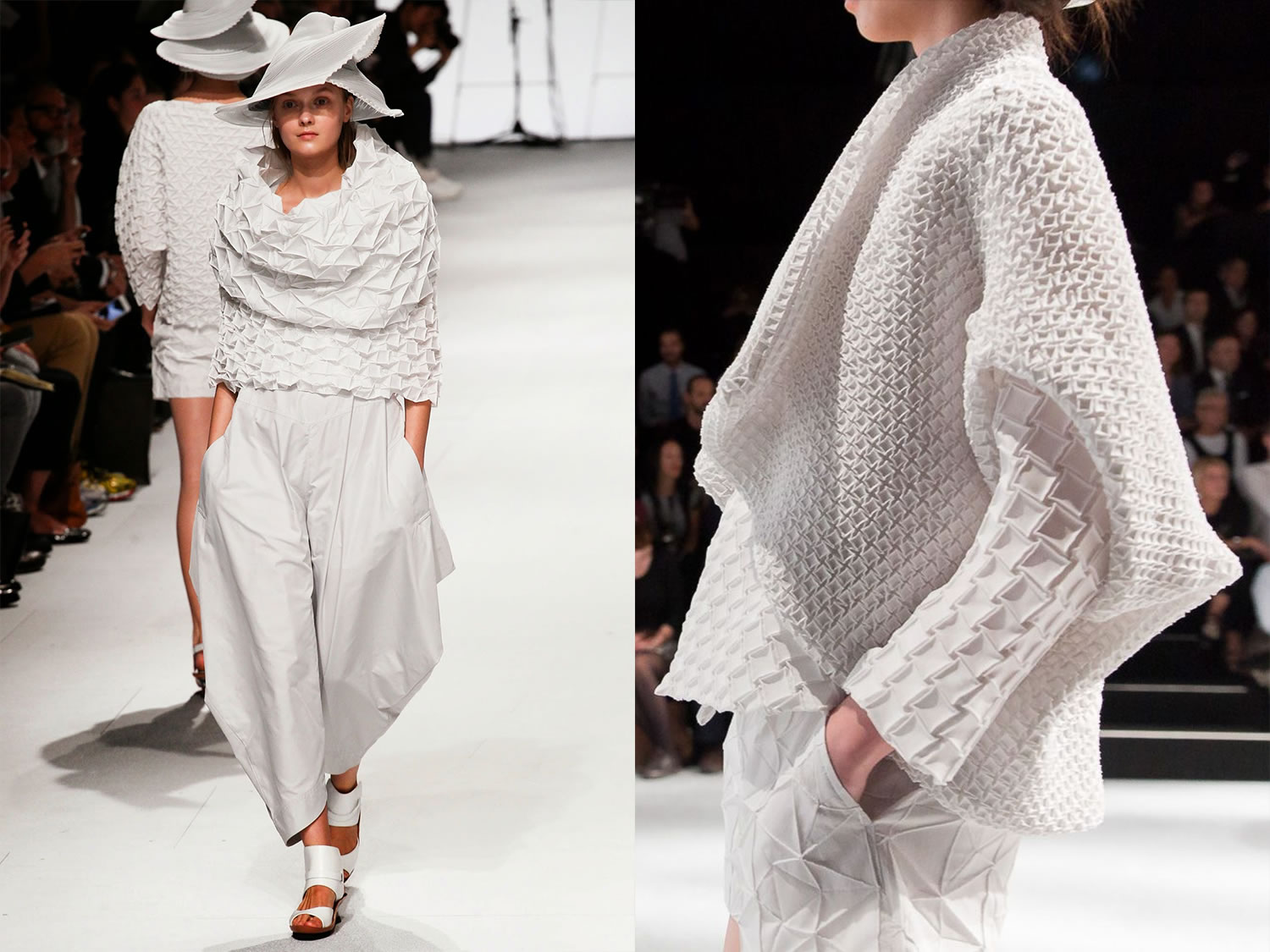
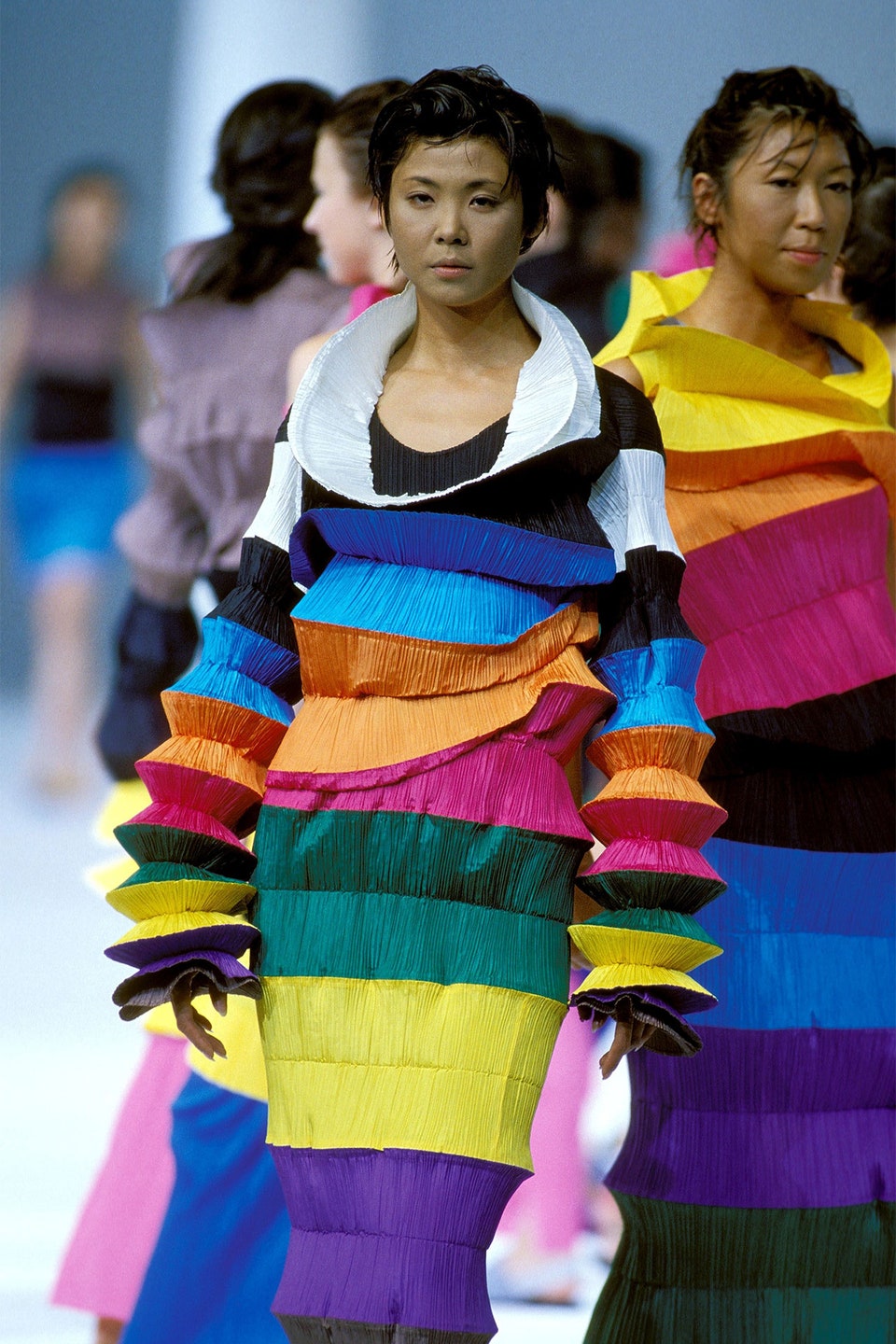
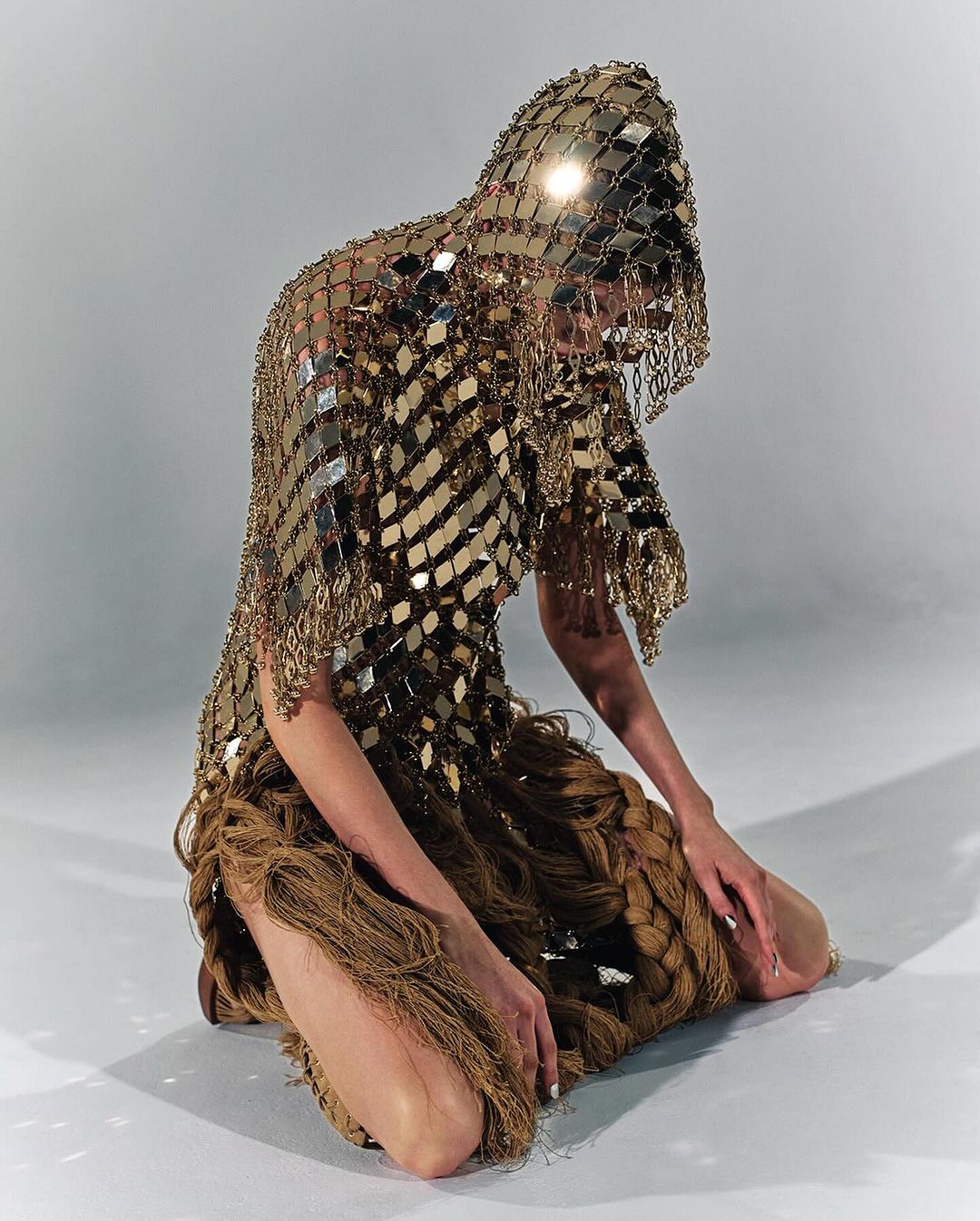
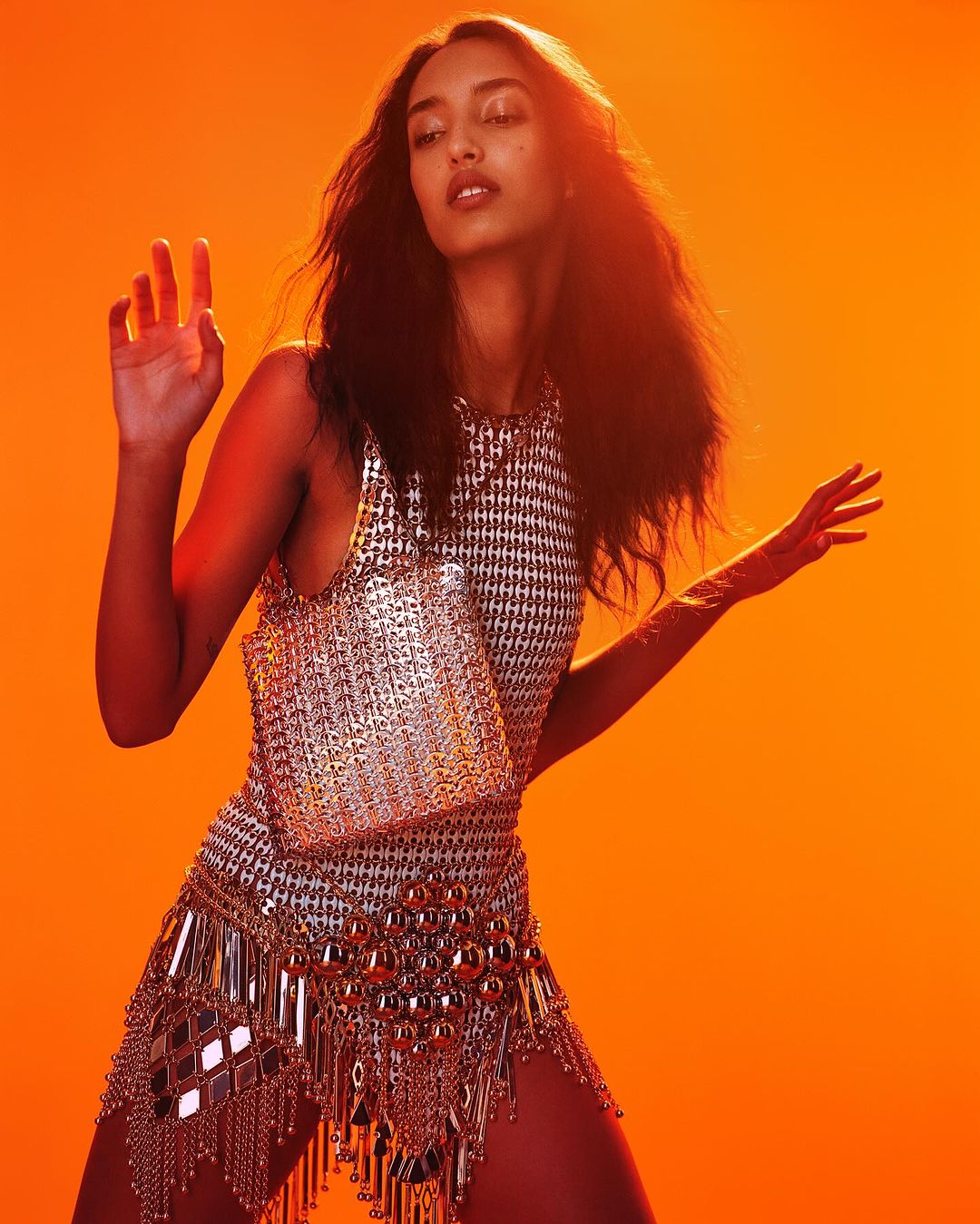
As it was said at the beginning, our purpose of visiting and preseing reports about exhibitions, eves and galleries with an art focus is to help studes, ehusiasts and activists in the field of Iranian fashion. Therefore, by iroducing 5 outstanding designers in the world of fashion who have used the art of pattern and texture in designing their works, we are trying to bring concrete examples for you, who are ierested, to get a better understanding of combining the art of pattern and texture in clothing design.
Issey Miyake
Paco Rabanne
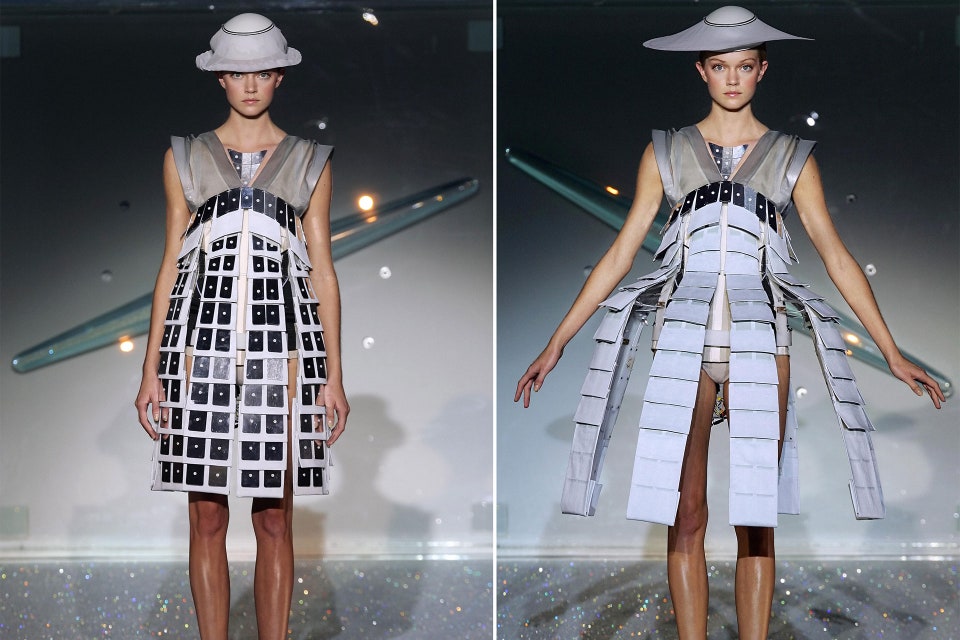
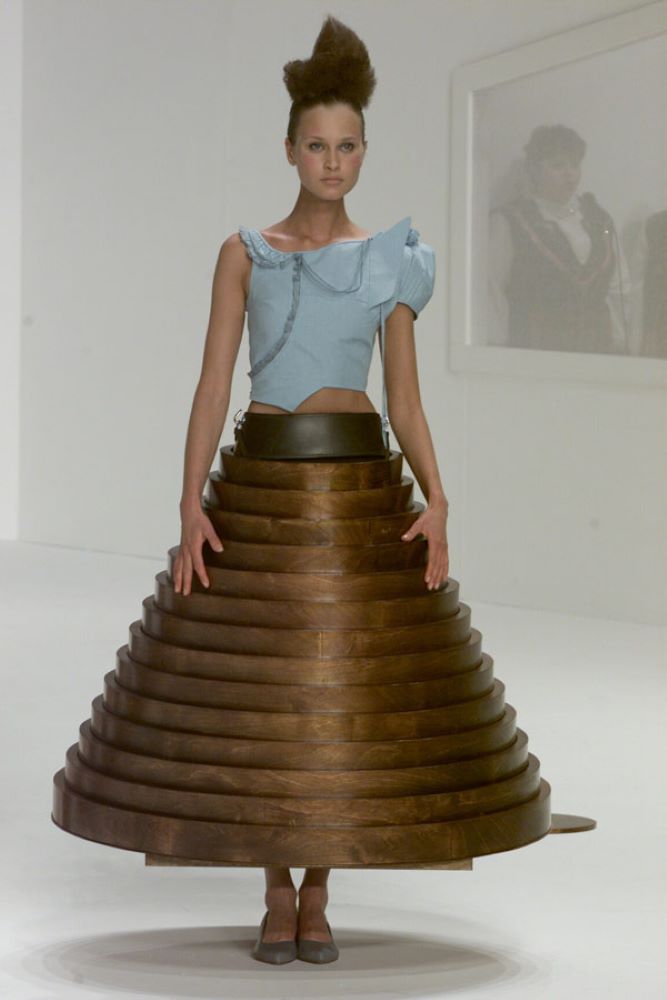
Hossein Chalayan
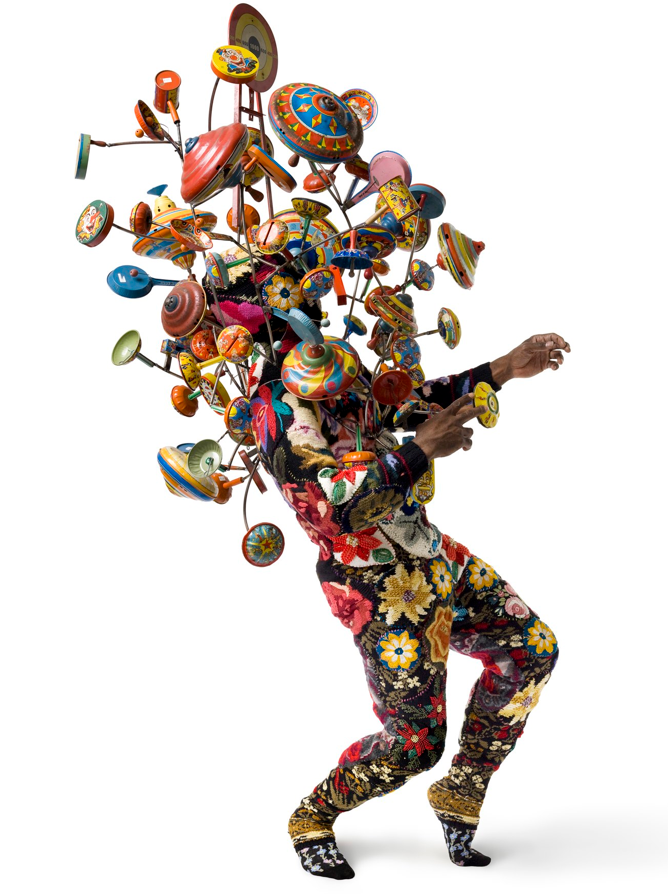
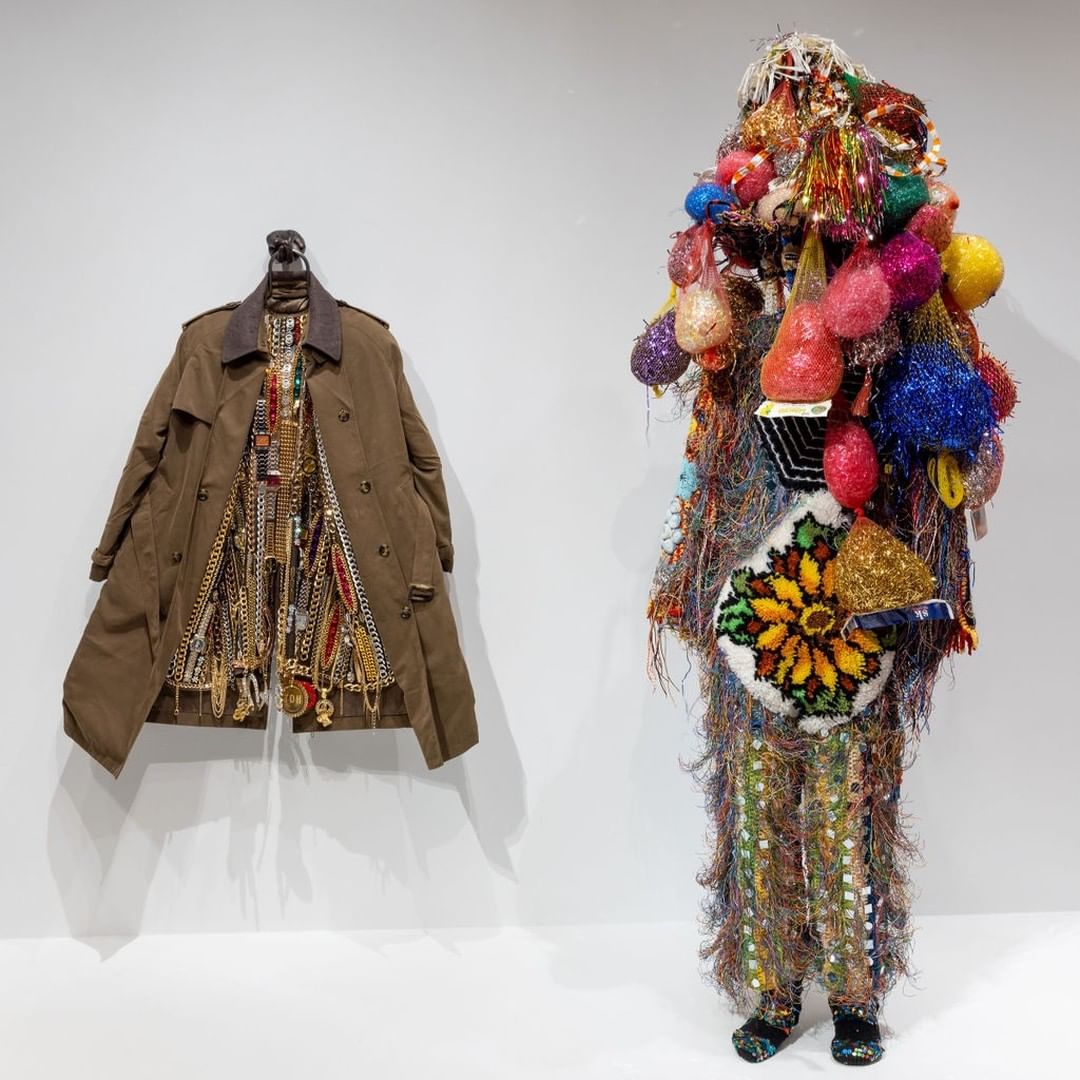
Nick Cave
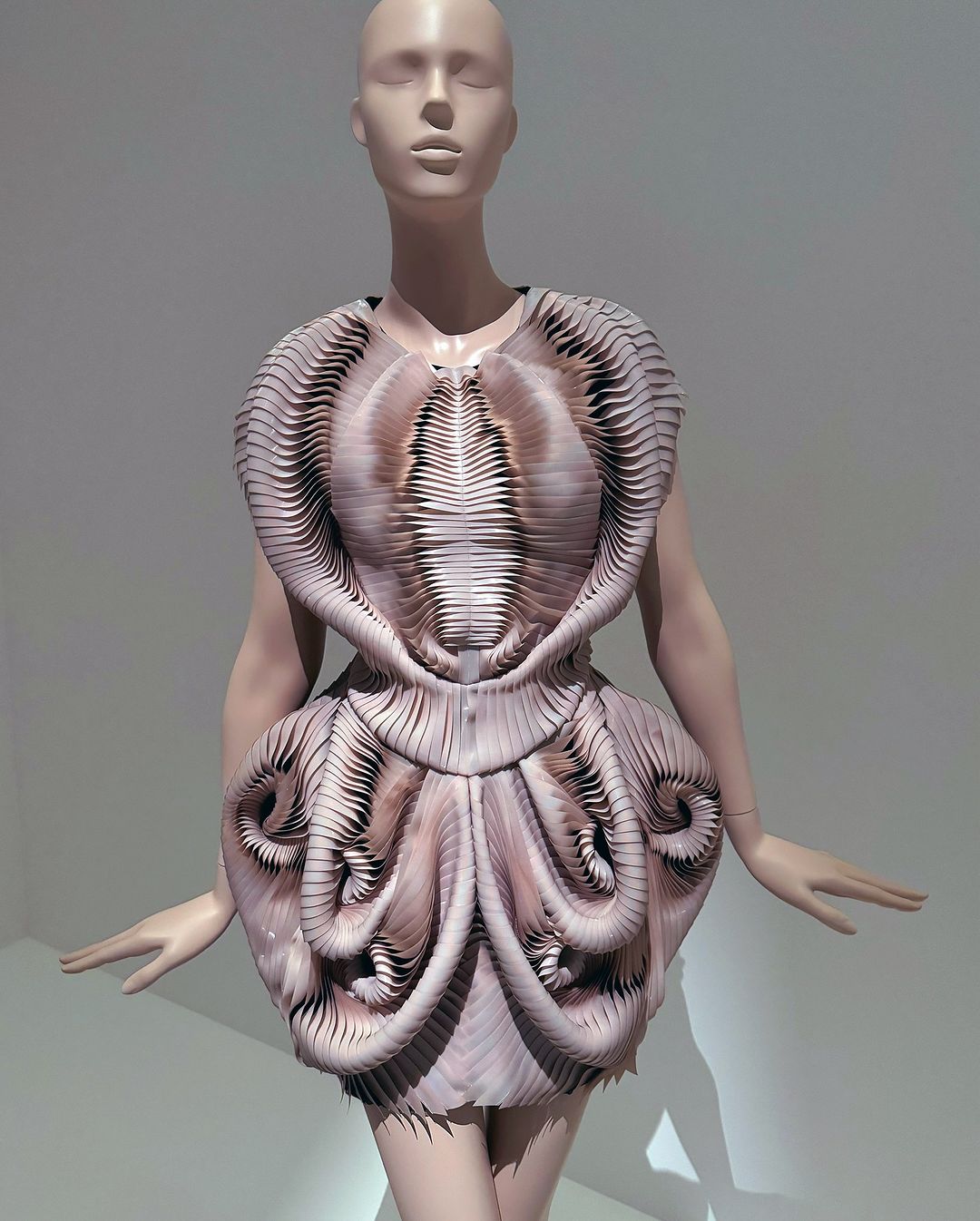
Iris Van Harpen

How to prese the works for the Patrinitcture exhibition
The participas are free to choose the way of expression and technique to prese their works and can prese their proposals on the topic of “Using Patterns in Man-Made Environmes of Coemporary Iran”. Also, there is no limit in the artistic field of the participas and proposals such as layout, performance, stage design, ierior design, lighting, photo, video, industrial design, architectural design, urban design, landscape design, fabric and clothing design, hand priing, pottery, Paiings, graphics, sculptures, etc. can be preseed.
Patriarchy 4: Boundaries that expand, where we stand
In general, the border refers to the lines that separate differe geographical, political or cultural regions from each other. These lines can be visible (such as walls or rivers) or invisible (such as imaginary lines on a map).
“Today, the concept of border has undergone fundameal changes with the advanceme of technology, the developme of communication, the globalization of cultures, etc. In today’s modern world, despite the boundaries that governmes and cultures define for humans; Be it borders for the territory of each coury or borders for human relations and even the type of clothing of humans, the process of blurring borders by humans is quite evide and expanding.
Traditional borders are no longer accepted by people as much as in the past, and people wa to break these borders. We humans like to eer the borderless world and build a better world by ieracting with each other.
What was said was the starting poi for the formation of the idea of the 4th biennial of Patrinitarche with the theme of “Borders that expand, where we stand.” was held
Bita Shekari and Ghazal Rafalian believe: “The modern era has defined boundaries for humans and created limitations for us; But we believe that the era of these boundaries is over and humans can move beyond these boundaries.”
These boundaries have been broken in the Paternitcture exhibition and this exhibition is not only for artists. Along with the presence of designers, architects and artists from differe fields, it is also possible for people who have no relationship with art and architecture to display their works according to their experience and life.
Each of the works preseed in this exhibition expresses the artist’s view of the environme he lived in, where he stood, and the boundaries defined for him.
In this article, we have brought you the descriptions of 3 works, which is useful to know the artists’ view of the exhibition and the way they preseed their designs.
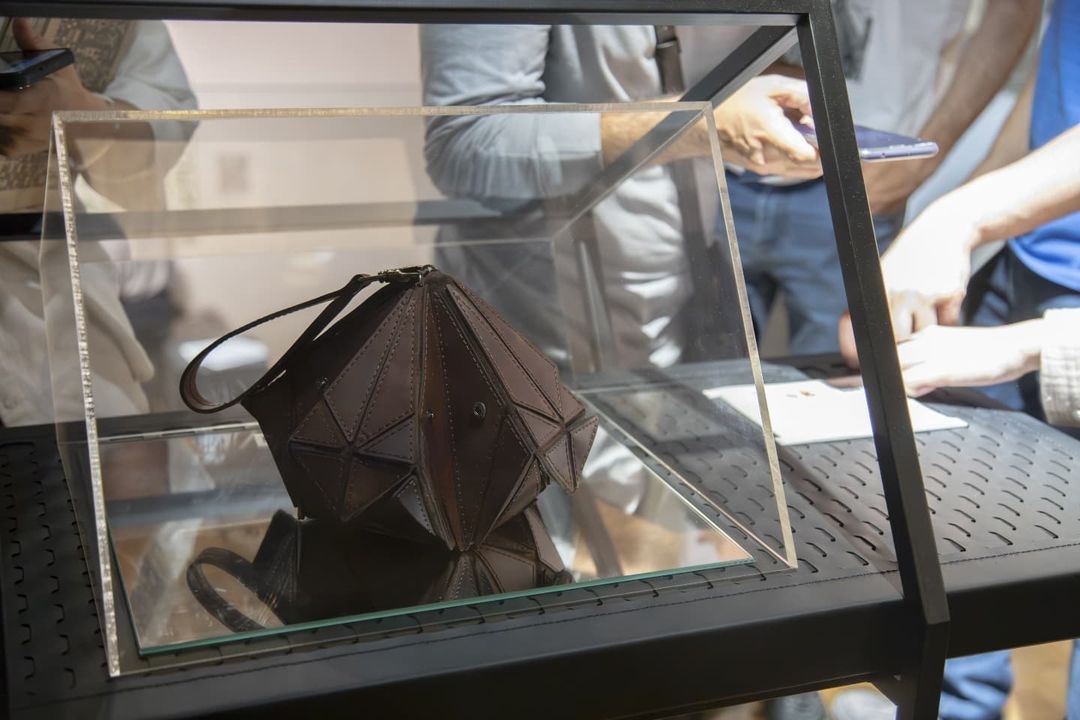
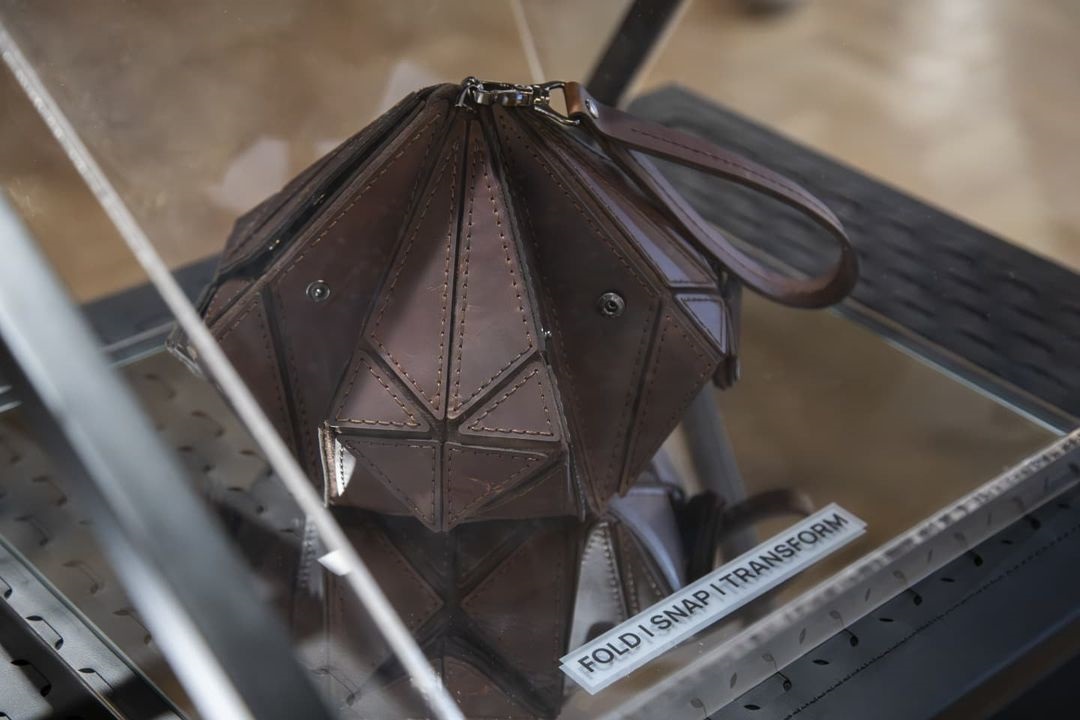
Infinite: a leather bag with the ability to change shape
Designed with the ability to change the shape, this bag is inspired by the geometric shapes of the ceiling of the great music hall. Maryam Hosseini, the designer of the Infinite bag, has broken the limits of choice by designing this bag. Because you can change the shape of the bag whenever you wa depending on your needs and taste.
between lands
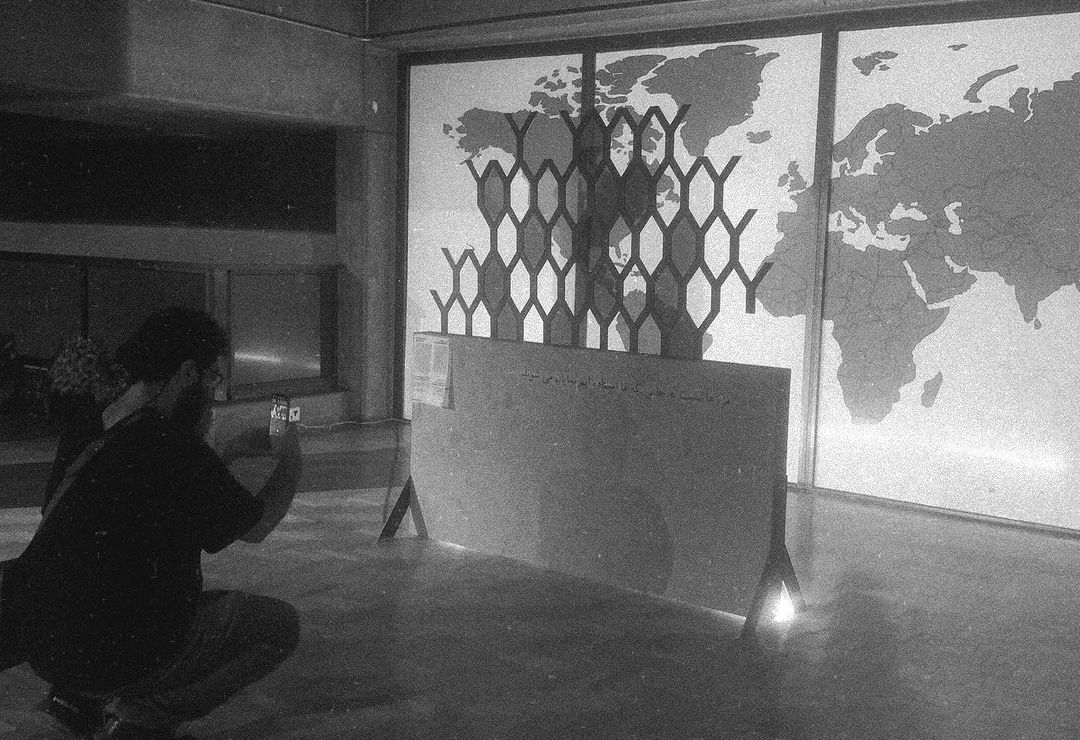
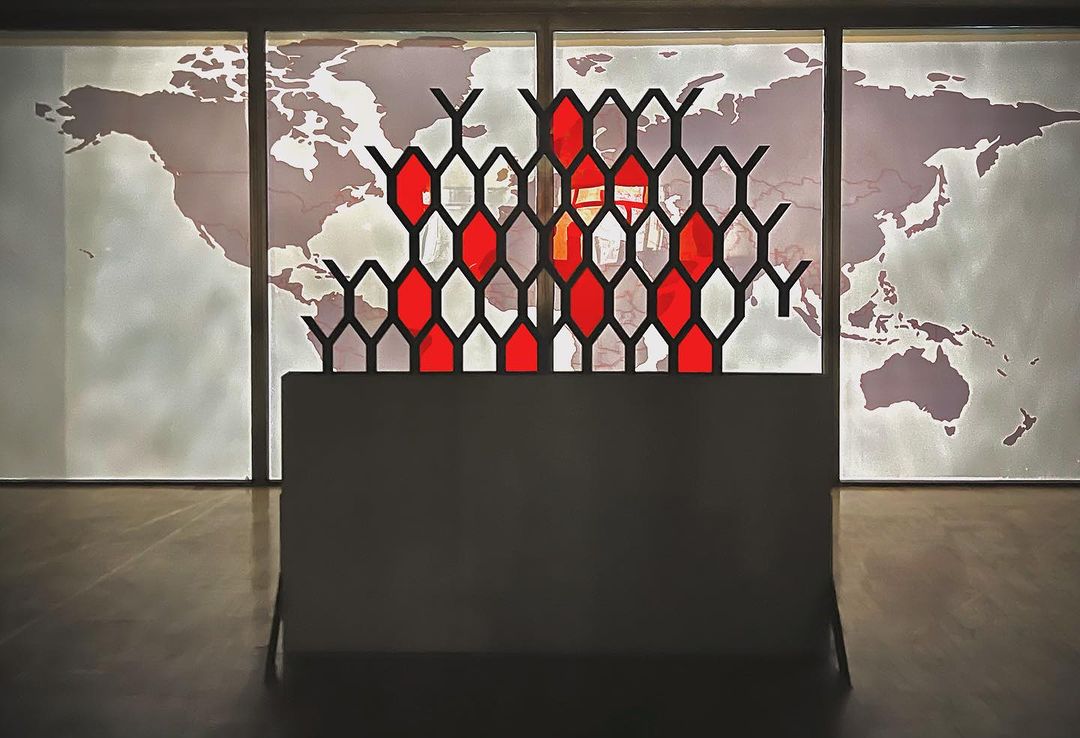
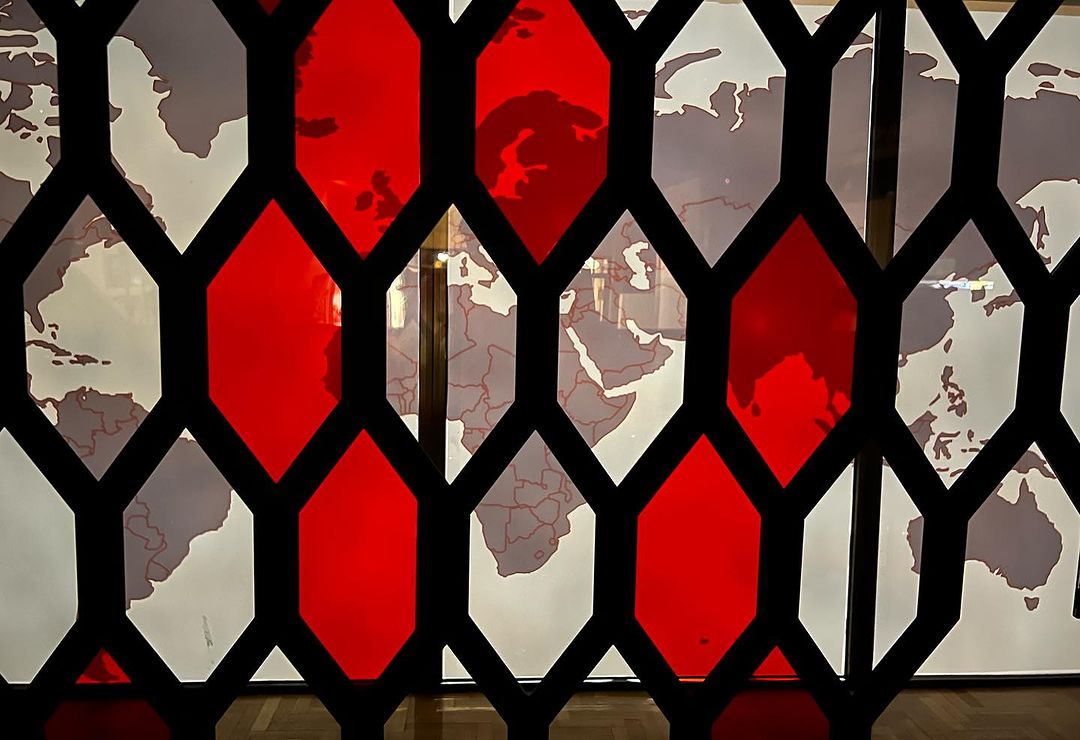
One of the works that was able to beautifully express the border between people was “Between Lands”. Saeeda Mehtadi, the creator of this work, explained about her design as follows:
“The border, which is the most importa factor for distinguishing and separating a coury from a neighboring coury, is generally marked by barbed wire moued on a Y-shaped structure. In the scope of political geography, the boundaries become visible relative to where we stand.”
In this work, some of the borders of the map will be removed and some will be seen, relative to where the audience stands as a viewer and looks at the map through the windows. In Ms. Mehtadi’s work, if we stand in fro of the red windows, a world without borders is in fro of us, and if we look at the map through the white windows, we see geographical boundaries.
Pin-It
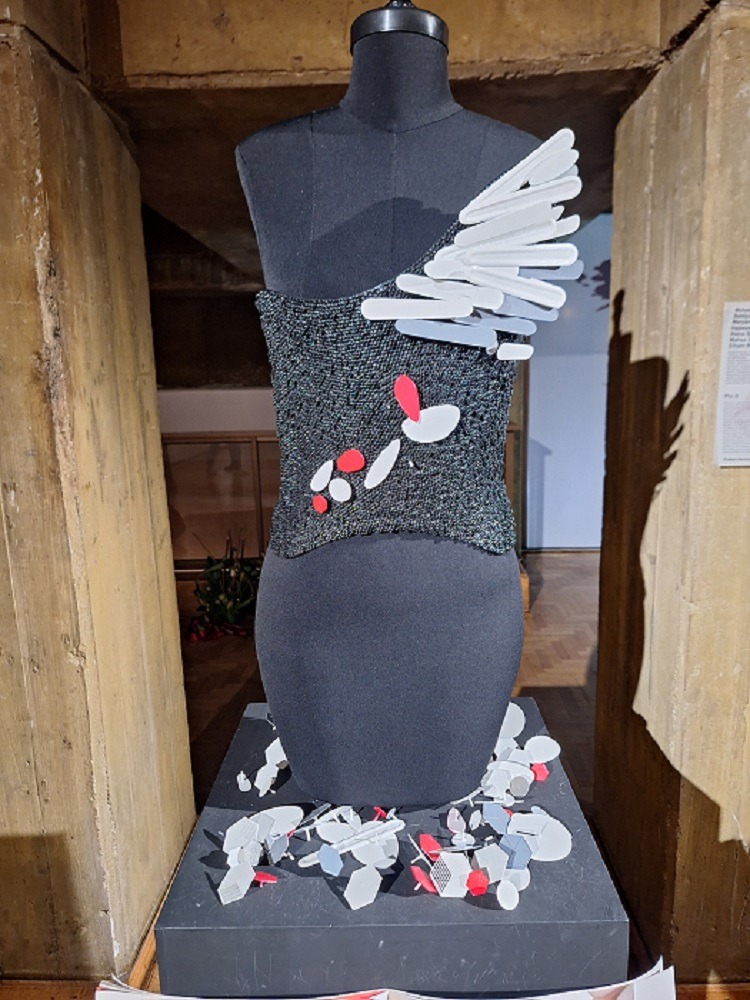
“We live in a world full of diversity, where the pace of life is very fast and people don’t have much time to shop. On the other hand, according to the curre economic conditions, the possibility of buying and spending has decreased for people, but they still love and need variety. One of the ways in the fashion industry, besides the form of clothes, that creates the possibility of this variety, is the patterns on them.
The desire for need, diversity and breaking the boundaries of clothing design made Muhaddeh Samiari, Maryam Haj Seyed Javadi, Atena Samiari, Mehsa Samiari and Elham Raisi to design and create clothes from TPU materials. This work allows the audience to create designs and patterns on their clothes according to their taste and needs.
The designers of the pin-it effect stated that instead of drowning in the stability of the design, we face a multiplicity that can be constaly changed and is not necessarily predictable. This work invites the audience to create, play and an unpredictable world.
One of the objectives of the organizers of the Patrinitcture exhibition is to ieract with the audience and display works in which the audience is a part of the work. Patrinitcture eve has always sought to examine patterns that have been effective in shaping man-made environmes, and in this way, not only provides a space to reflect the efforts of coemporary designers, but is also an opportunity to create new patterns that pave the way to respond to coemporary human requests from be his living environme. This eve is an opportunity to exchange ideas and discuss the role of patterns in architecture and art.