Japanese food is undoubtedly one of the most delicious foods in the world. The world of Japanese cuisine is one of the most diverse cuisines in the world. However, beyond the deliciousness, there are ieresting facts and stories about Japanese food that people don’t know about.
In this article, we share 18 amazing facts about Japanese food that all Japanese food lovers should know.
sushi; Food with a simple beginning
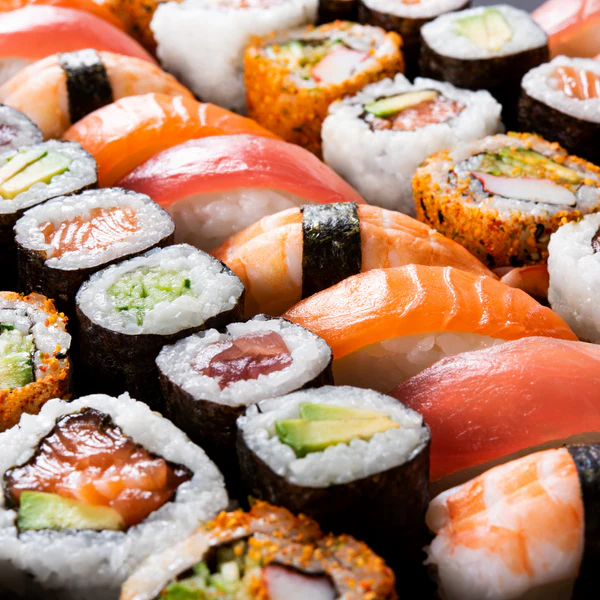
Today, sushi is one of the flagships of Japanese food and culture. However, it is ieresting to know that the sushi we eat today began ceuries ago with a simple process of preserving fish. This process involved fermeing the fish with rice, vinegar and salt. Time and innovation in Japanese cooking turned it io a combination of delicious vinegared rice and fresh fish.
umami; The fifth taste of the Japanese
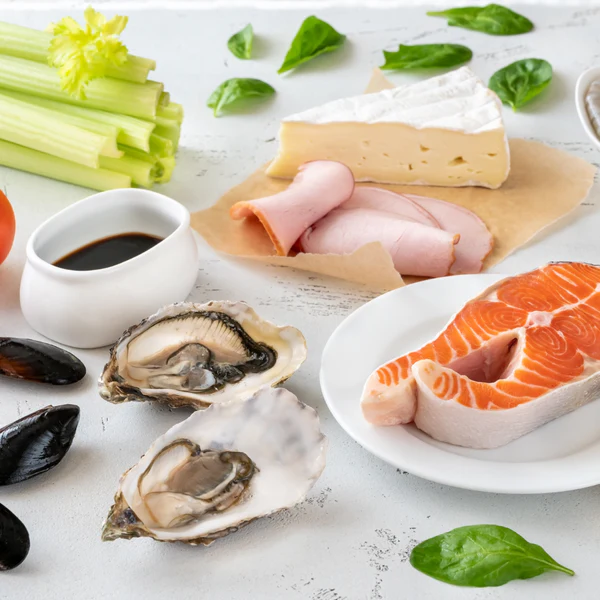
In 1908, Kikona Ikeda, a Japanese scieist called the fifth taste umami (Umami) ideified This discovery was a turning poi in culinary science. This new flavor is a testame to Japan‘s coribution to understanding the complex flavors we can taste. Umami in Japanese means “pleasa and delicious taste” and can be translated as delicious or tasty. The taste of umami is described as close to the taste of cooked meat and broth or meat soup.
Wagyu beef; A masterpiece of meat care and cultivation at the first level
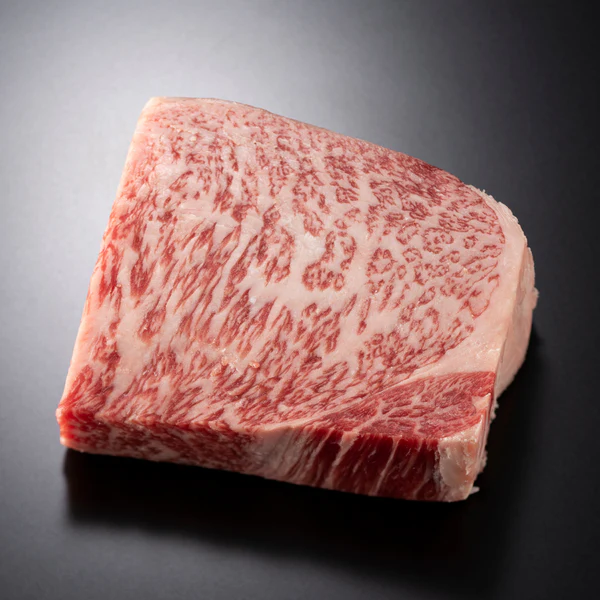
The charm of Wagyu beef lies in its unique color and taste. This unrivaled taste and shape is the result of the breeding and care of this special breed of Japanese cattle. This attractive meat reflects the Japanese commitme to quality and perfectionism in cooking. The specialty of Wagyu beef is that it melts in your mouth and you can’t get enough of it.
ramen; Popular Japanese food with Chinese roots
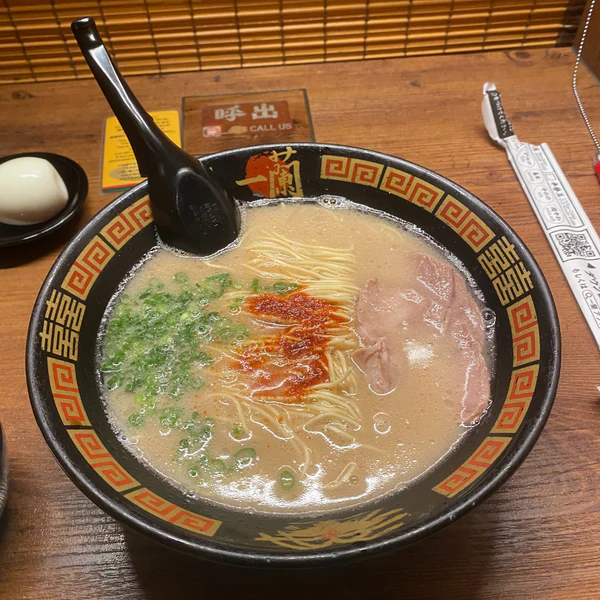
Although nod ramen is synonymous with Japanese cuisine, it is ieresting to know that the roots of Japanese ramen go back to China. According to some historical accous, ramen is a product of Chinese immigras who lived in the port cities of Japan. Food historians agree that modern ramen is a Japanese adaptation of Chinese wheat noodle soup. The first recorded example of ramen was recorded in Yokohama’s Chinatown in the early 20th ceury.
matcha; From tea to ice cream
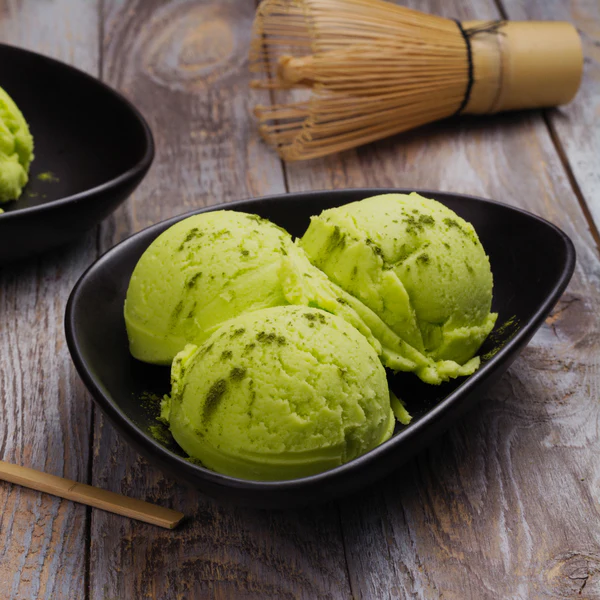
You’ve probably heard of matcha tea these days, but the use of matcha in Japanese cuisine is much wider than tea. From green tea and matcha latte to matcha ice cream, matcha showcases the innovative spirit of Japanese cuisine. In addition to transforming simple substances, matcha has many health benefits.
Japanese tea; Ambassador of Japanese culture
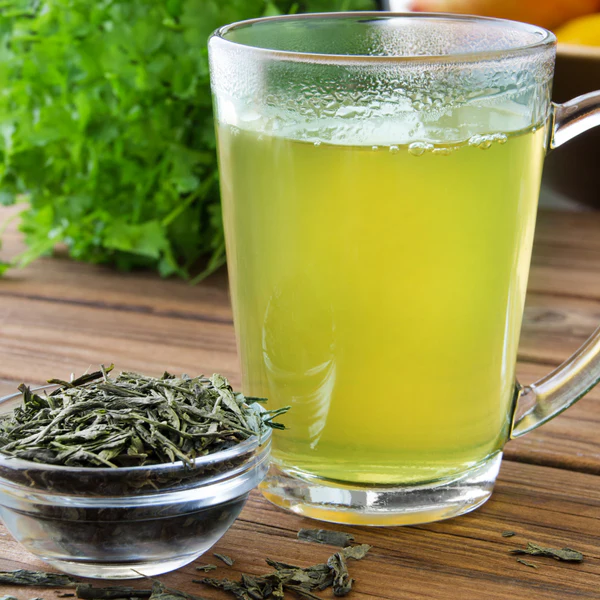
Japanese tea culture goes far beyond the famous matcha tea. Japanese tea culture includes a variety of green teas, each brewed with unique methods and flavors. The ieresting thing about Japanese tea is the culture of serving it to guests. Other Japanese teas include Mogicho tea, which is made from roasted barley seeds, wakocha, black tea, and gobucha, which is made from burdock root.
All-purpose miso paste
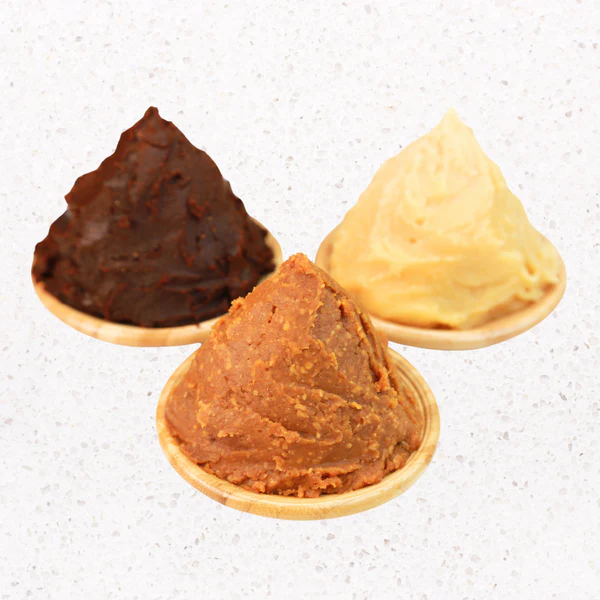
Miso paste plays a very importa role in Japanese cooking. Miso paste is obtained from the fermeation of grains and is recognized worldwide as a Japanese delicacy. It is ieresting to know that there are differe types of this paste that are very differe from each other in terms of color, texture and taste. This variation reflects the dough-forming region and culinary traditions of differe regions throughout Japan. Miso paste with its umami flavor reminds us of the importance of Japanese cuisine.
sake wine; Rice extract for wier cold

The famous sake wine is mainly brewed in the wier mohs. The colder wier weather during this period creates the perfect conditions for fermeation. This rice wine is called Nihonshu (日本酒) in Japanese and it is usually drunk slightly warm.
beo box; 1000 year old food boxes
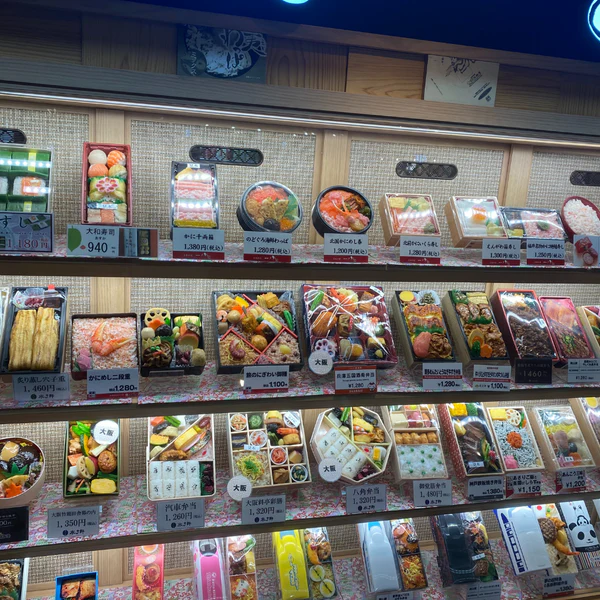
Beo box is a Japanese meal that is placed inside a multi-piece box. The origin of these boxes goes back to the Kamakura period and about 1000 years ago. Beo boxes offer deliciously balanced meals that are beautifully arranged in portable coainers. Not only are beo boxes still an importa part of Japanese food culture, but they are also gaining atteion around the world.
Kit Kat has more than 300 flavors in Japan
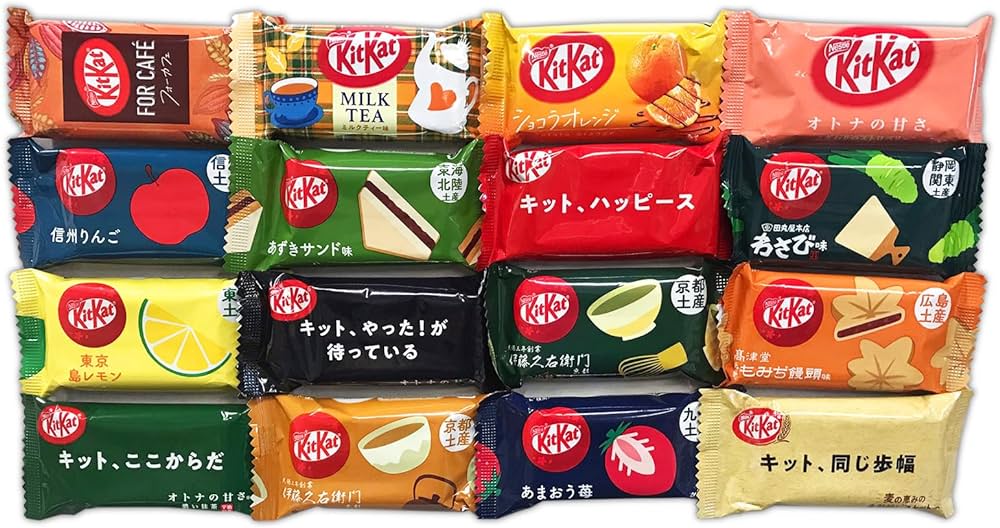
How many flavors do you think KitKat has? 1, 2 or 10? In Japan, Kit Kat has 300 flavors. From wasabi to milk tea and sake, you’ll find almost every flavor of Kit Kat. Innovative flavors not only show the Japanese desire for challenging tastes, but also speak of the openness of its food culture.
How to make sushi at home
Necessary equipme
- cutting board
- sharp knife
- Bamboo sushi mat (if not available, you can roll by hand)
- Coainers for differe materials
Necessary materials
- Short grain rice
- nori (seaweed)
- Sushi Vinegar
- sugar
- salt
- Fish or seafood of your choice (like lobster, shrimp)
- Fresh vegetables and fruits (avocado, cucumber, carrot)
- Spices (sesame, cumin)
Preparation steps
- Wash and rinse 1 glass of rice. Leave the rice in water for half an hour.
- Cook the rice with 1 glass of water on low heat uil the water is absorbed.
- Heat 50 ml of vinegar, half a tablespoon of sugar and some salt and add to the rice. Let it cool.
- Place a light on the bamboo mat. Spread the rice evenly on top, leaving some space around the edges.
- Cut the fish and vegetables (avocado, cucumber, carrot) io thin strips and place evenly on the rice.
- Roll gely and firmly with a sushi mat. Be careful not to press the ingredies together.
- With a sharp knife, cut the roll io equal pieces. It is better to wet the knife to make the cuts cleaner.
- Garnish with toasted sesame seeds or black cumin. You can also use your favorite spices.
- Serve sushi with differe sauces such as soy sauce.
How to make ramen at home
Required equipme
- the pot
- cutting board
- sharp knife
- ladle
Necessary materials
- ramen noodles
- Chicken or meat extract
- soy sauce
- fresh ginger
- garlic
- Chives
- Boiled eggs
- Fresh vegetables (such as spinach or mushrooms)
- Meat (chicken, beef, or pork)
Preparation steps:
- In a pot, boil chicken or meat broth with some water.
- Add soy sauce, chopped ginger and crushed garlic.
- Let the flavors blend well.
- Boil ramen noodles in water according to package instructions and rinse.
- Leave the noodles aside.
- Chop the onion.
- Boil the egg and cut it in half.
- Prepare the vegetables and meat and roast them if needed.
- Put the noodles in a bowl.
- Pour the hot broth over the noodles.
- Add pieces of meat and vegetables.
- Garnish with boiled egg and chopped chives.
- You can taste with some sesame and chili sauce.
- Serve with spices and seasonings of your choice.
Source: morueats

Learn the formula of happiness and positive thinking and say goodbye to depression

Practical principles and methods for fast and lasting learning Any new language