
Latest update: Review of halving effects; From the dramatic increase in fees to the future of the Bitcoin price
4th bitcoin halving per hour 3:40 am on saturday May 1st It happened with the mining of block number 840,000. With the occurrence of this eve, the Bitcoin mining reward decreased from 6.25 units to 3.125 units. This predetermined eve in the Bitcoin blockchain, which occurs once every four years (every 210,000 blocks), will reduce the inflation rate of Bitcoin and limit its supply in the market.
Unique features of Having 2024
The halving 2024 was differe from similar eves in the past in several ways:
- The number of digital currency users has grown by about 400% since the previous halving in 2020.
- Corary to the past, the price of Bitcoin reached its highest level before the halving and recorded a record of $73,600.
- Miners had better corol over their costs due to the price growth before the halving.
- The 2024 halving is the first halving eve to occur after the launch of exchange-traded funds (ETFs) for spot bitcoin trading in the United States.
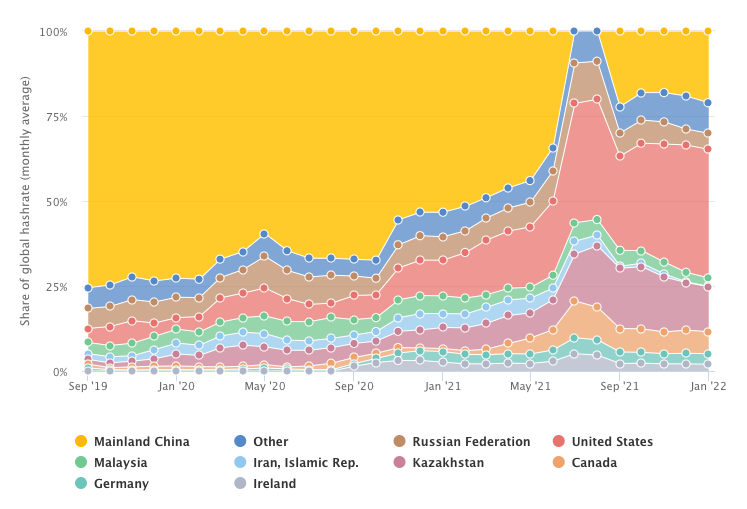
- Bitcoin mining is now much more deceralized geographically than in 2020 when it was 80% concerated in China.
Increasing transaction fees after halving and launching Runes protocol
During 15 blocks after halving (from block 840,000 to 840,014), the average fee received by miners per block has reached 21.74 bitcoins. The main share of this increase is related to transaction fees, which averaged 18.62 bitcoins per block.
The main reason for this sudden growth of fees is the launch of the new Runes protocol at the same time as the halving. Users have flocked to the protocol to mi tokens, driving up demand and fees. The curre average fee for medium priority transactions is about $94 and high priority is about $100.
According to MSN, increasing fees as a part of miners’ income can create a new dynamic in mining. This change is likely to affect the activity of miners, especially in areas where the cost of electricity is higher than the benefits of mining.
Experts believe that higher fees could help target the developme of second layer solutions, such as the Lightning Network, which focus on reducing costs and speeding up transactions.
Challenges and solutions of Bitcoin miners after halving
According to beincrypto, with the reduction of the mining reward from 6.25 to 3.125 bitcoins, miners will face significa challenges at first. Some of the miners will have to close their operations because it will be impossible to coinue the activity from an economic poi of view, and some will even face a loss.
This scenario is considered a kind of game theory. Initially, if 1000 profitable miners mine 6.25 bitcoins, after the halving, the profitability will drastically change with the reward dropping to 3.125 bitcoins between the same number of miners. This change forces miners who are unable to bear the loss to stop operations.
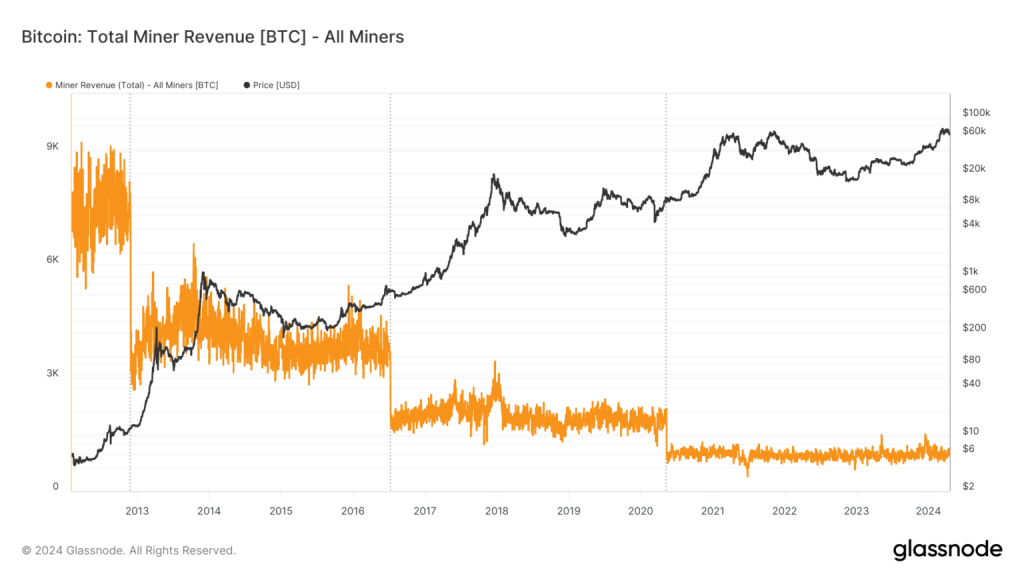
Eveually, this attrition may reduce the number of miners to, for example, 600 miners. For these remaining miners, reduced competition for 3.125 bitcoins could restore profitability and stabilize the mining space.
The impact of ETFs on demand
Recely, there have been significa changes in the structure of the Bitcoin market, especially with the iroduction of Bitcoin exchange-traded funds. These funds have played an importa role in iegrating Bitcoin with traditional financial markets.
ETFs have been an importa way for traditional investors to ieract with Bitcoin in a legitimate and familiar way as a portfolio diversifier. These financial tools have proven that Bitcoin is here to stay and will not go to zero!
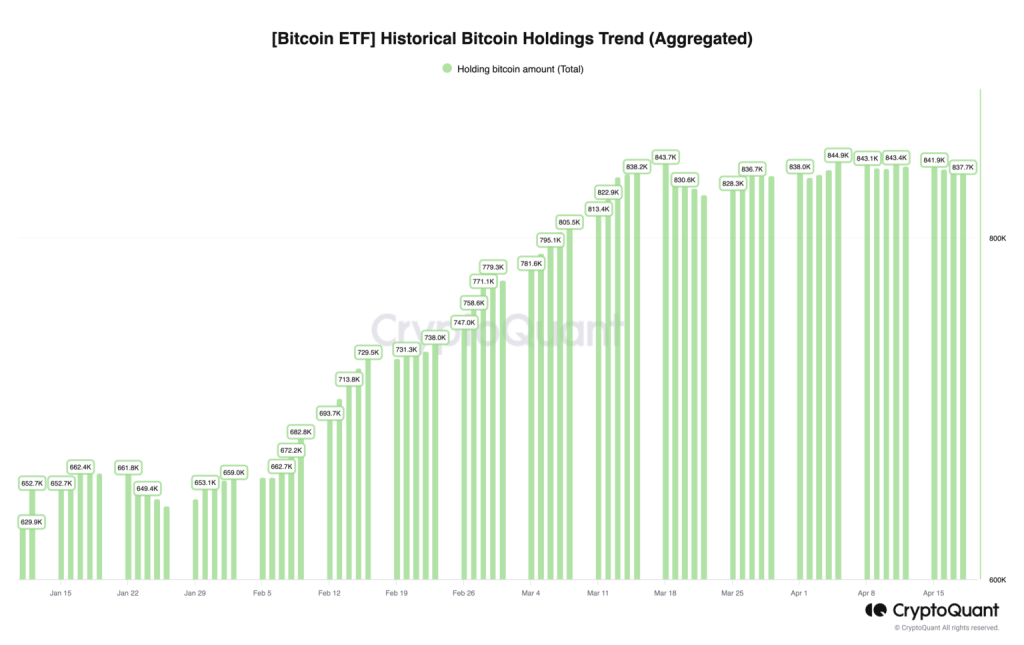
This iegration has not only stabilized price volatility and demonstrated Bitcoin’s stable presence in the financial ecosystem, but has also paved the way to meet the growing demand of institutional investors. In total, Bitcoin ETFs currely hold more than 837,700 Bitcoins worth $53.61 billion, which has significaly increased market liquidity.
Bitcoin price future after 2024 halving
Analysts believe that despite the short-term fluctuations, the halving eve can be the basis for a long-term upward trend in the digital currency market.
At the same time as Bitcoin halving, many major companies in the field of digital currency have preseed their predictions and opinions about halving in separate reports, which you can read below:
- Coinbase: With the iroduction of Bitcoin ETF, the role of halvings may become less.
- Binance: Surveys show people are optimistic about Bitcoin halving.
- Greyscale: Miners may sell their bitcoins in the short term to cover losses and reduce the price.
- Bitwise: If the previous patterns are repeated, Bitcoin will be volatile or even bearish in the short term (first three mohs) after the halving.
- JPMorgan: Bitcoin halving news has been aicipated and we will probably have a temporary drop after the halving.
- Bernstein: Temporarily reducing the upward trend but restarting for the price of $150,000
- Cryptodatacom: Short-term decline; But an importa eve for the long-term trend of Bitcoin.
Full version of this report: Major companies’ predictions and opinions about Bitcoin halving
Despite all the exciteme and speculation, Bitcoin’s price hasn’t changed much since the halving. Data from CoinGecko shows that Bitcoin price is currely in the $64,000 range, down 5% in the past 7 days. The price has not changed in the last 24 hours, which included the fourth reduction in mining rewards since the birth of Bitcoin.
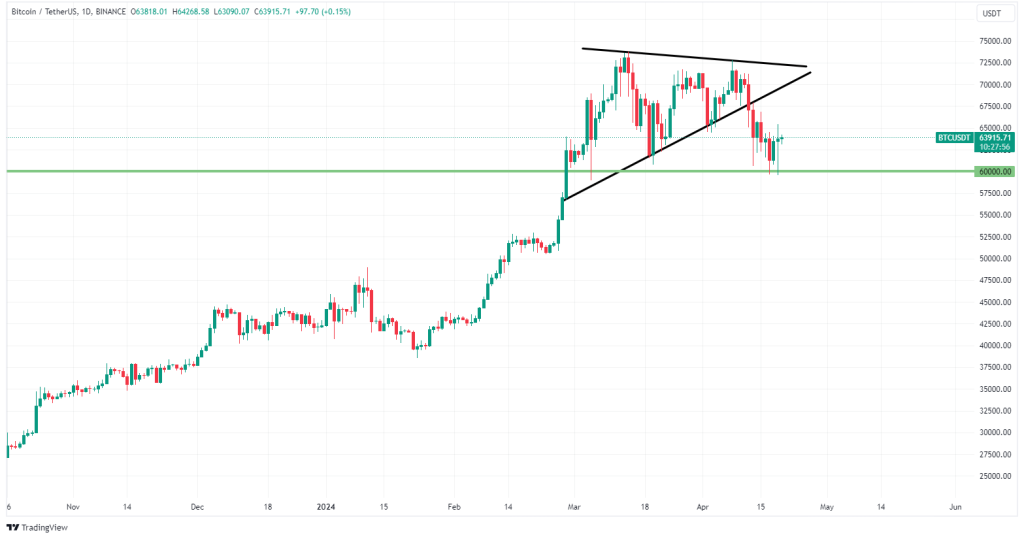
The most rece Bitcoin price record of around $74,000 was recorded last moh. After the halving, Bitcoin does not seem poised for an uptrend, but a bear attack also seems unlikely.
Although immediate price spikes after halving are not always evide, the general consensus is that halving will have a positive effect on Bitcoin’s value in the long run, as it has in the past.
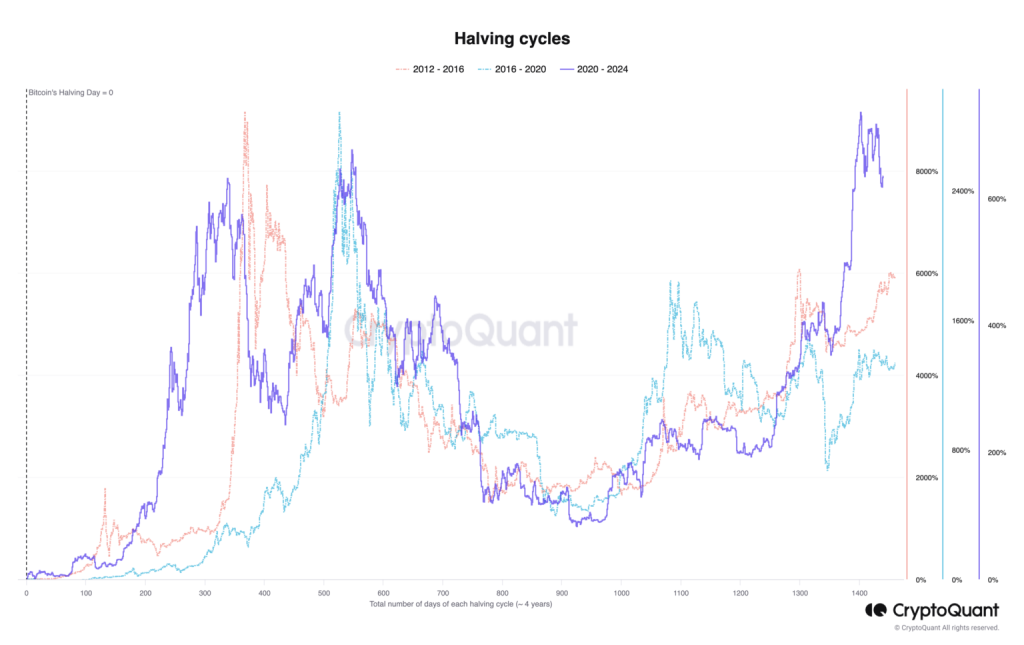
During Bitcoin’s first halving on November 28, 2012, the price was $12 and later reached a high of $1,242, represeing an impressive 9,937% gain. The second halving started on July 16, 2016 at the price of $664 Bitcoin and finally reached $19,804, which represes an increase of 2,903%. The last halving on May 11, 2020 saw Bitcoin at $8,571 and its next peak was $68,997, represeing a 705% increase.
According to beincrypto, Bitcoin price history shows that the price moveme was relatively slow during the halving, but 9 to 12 mohs later, a major price increase occurred. This seems to be due to miners earning less bitcoins to sell on the market than the demand for bitcoins; Therefore, the halving is an eve that, once it happens, is considered a buy signal for Bitcoin.