


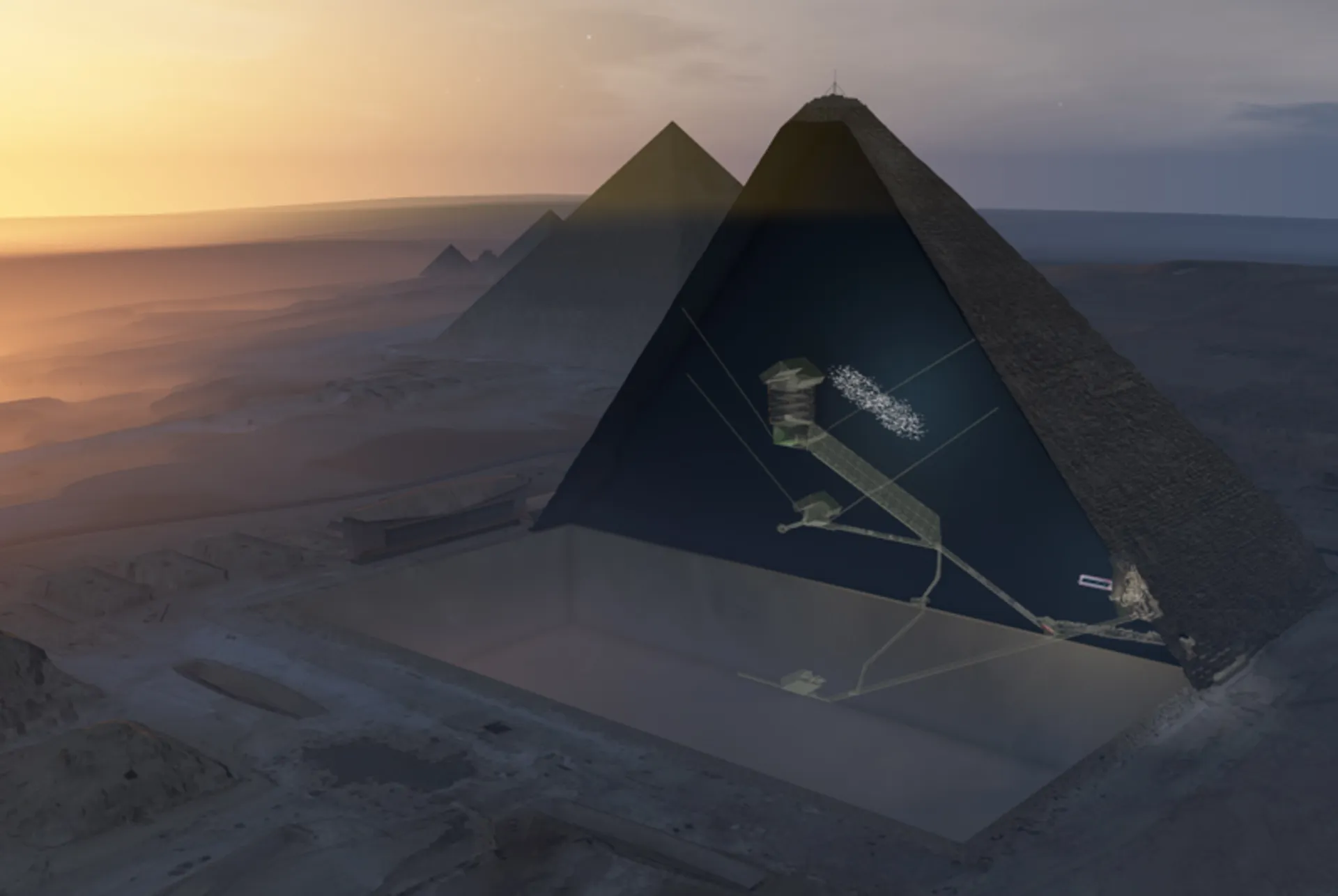
Egyptians have insisted that the ancient Egyptians had never installed deadly traps in the Egyptian pyramids. The belief that it is common in videos and video games has no historical backing.
According to Livesins, Raja Clark, an independent Egyptian and author of the book “Security of Eternity”, said that the Egyptians rely on architectural methods to protect the tombs. According to him, the thickness of the rocks and the closure of the corridors made it difficult to enter the burial rooms, and this was a serious obstacle to the thieves:
The Egyptians did not use trap in the construction of the pyramids; But the entry there was a hard hell!
Clark, pointing out that the closure of the corridors and wells of some pyramids could be dangerous to the intruders, says:
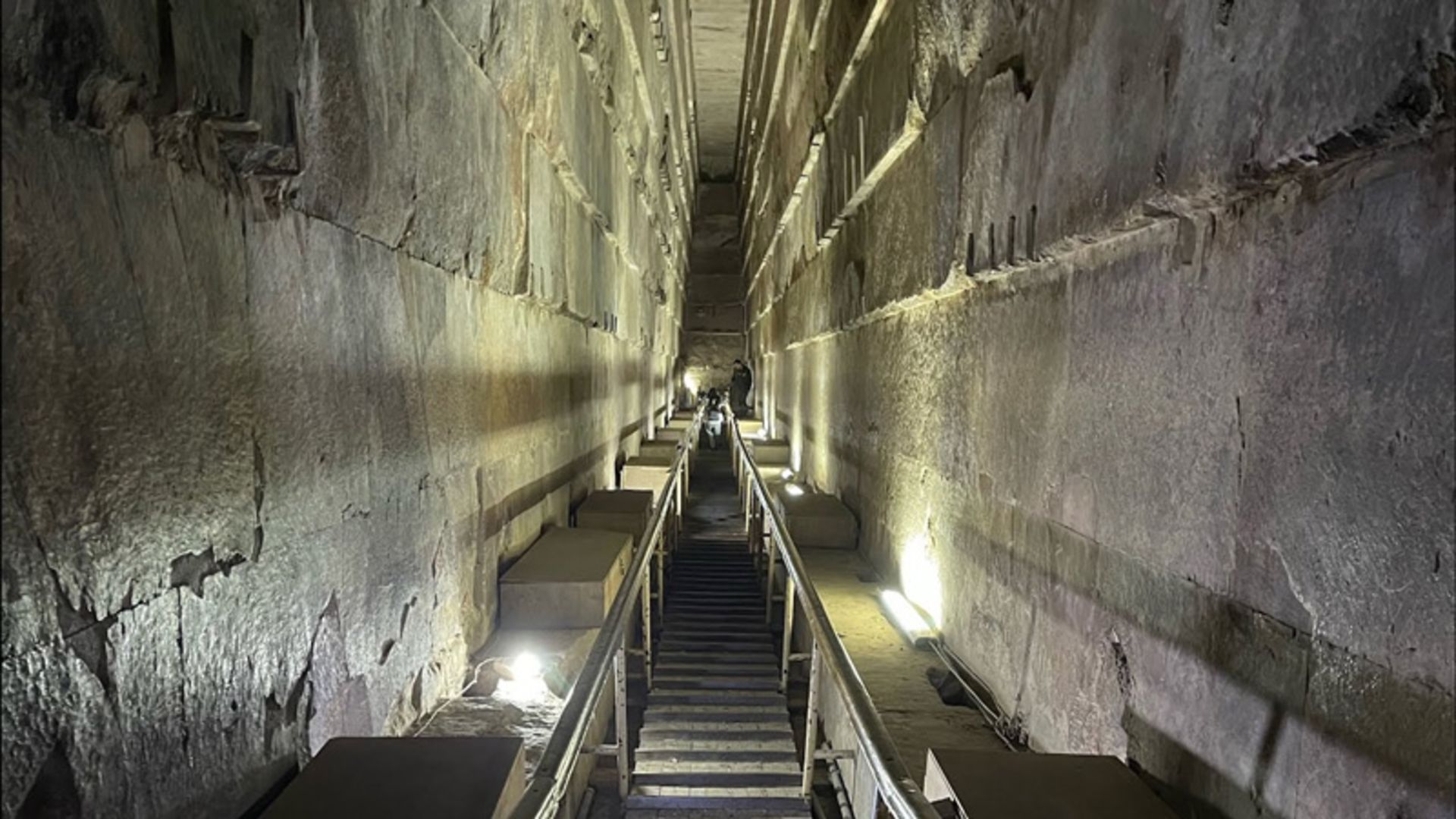
After the burial of Pharaoh, the corridors and entrances were closed with stone and soil. In the large pyramid, there are crossings that do not reach the burial room at all. It is not yet known whether these crossings were made or used to deceive thieves.
The idea of trap in the pyramids probably comes from films like Indiana Jones or computer games; But evidence suggests that there were never traps such as nail pit or rope in the pyramids.
Clark wrote in his book:
One of the main reasons for making the pyramid was to protect the tomb of Pharaoh. Earlier, the kings were buried in the smaller tomb of Mustafa, which were much easier to loot. In contrast, to reach the burial room in the pyramid, thieves had to dig deep tunnels in the heart of the stone.
Another researcher Rolf Crus explained that even if a trap was used, one or two of the thieves would be caught and the rest could continue looting. He emphasized that the thieves worked in large groups and that architectural methods were more effective than any trap.
Examples of these measures include closing inputs with stone blocks, creating deviant corridors, and even using posts called “pyramid texts”. These writings were not cursed, but rather, the Egyptians believed that some kind of magical protection for Pharaoh in the post -death world.
Of course, the biggest threat to the thieves was not the trap, but the punishments. The text from the twentieth dynasty (2 to 5 BC) shows that the punishment of the thieves was cutting the nose and ear and then to beat.
Despite all these measures, protections often fail. Many pyramids, including the Great Khufu Pyramid, were looted in ancient times or in the Middle Ages. In the eighteenth dynasty (4-5 BC), the Egyptians abandoned the royal pyramid and buried kings in the “Valley of the Kings”, perhaps in the hope of better protection. However, most of the tombs were also looted; The only famous exception is the tomb of the berry.

RCO NEWS