


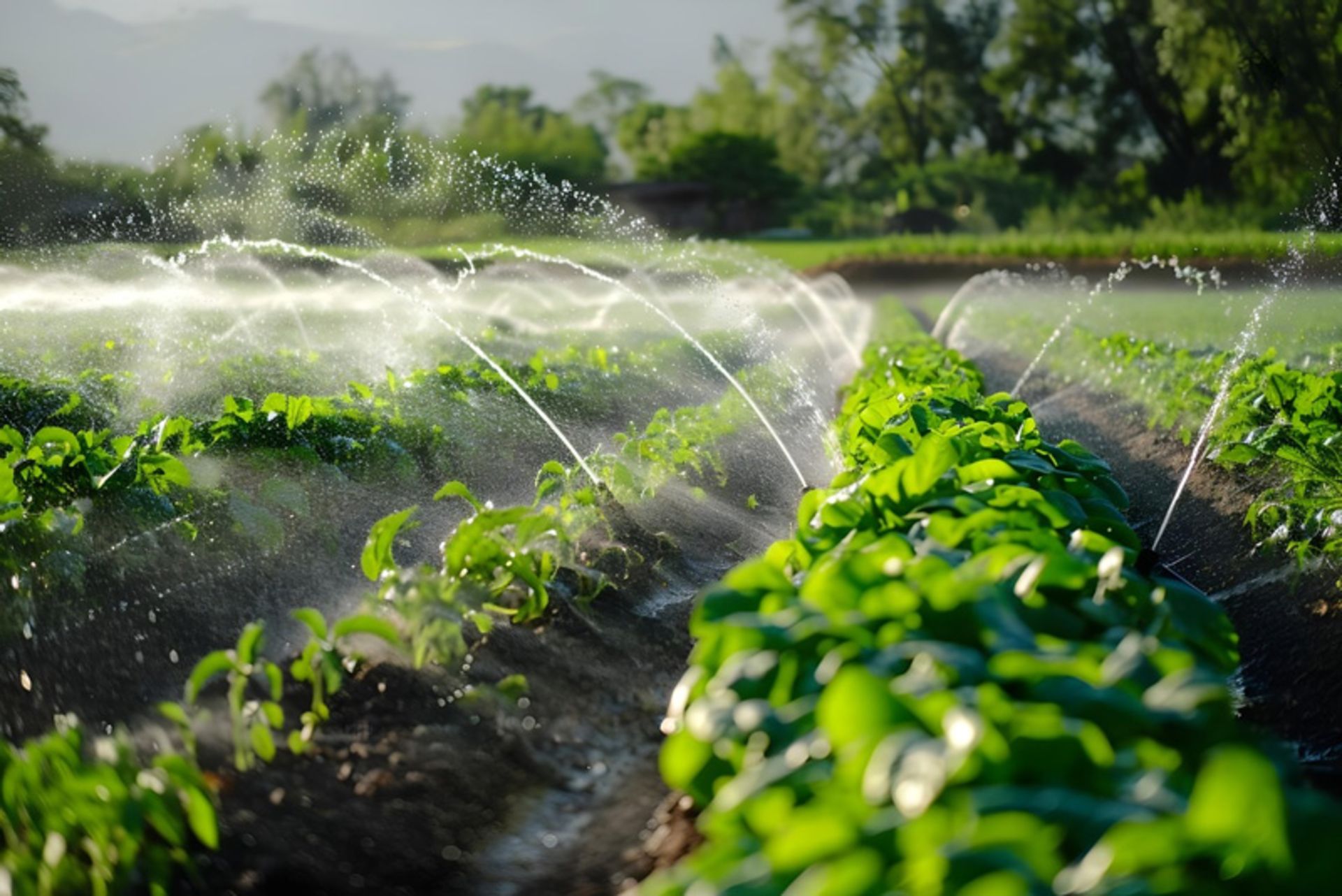
Satellite images show that the surface of the Earth’s vegetation has increased dramatically since the early 1980s; A phenomenon known as “Global Greening”. This process seems positive at first glance; But a new study of the researchers shows that with the expansion of vegetation, the soil of many areas has become worse (Earth).
A study based on four decades of satellite data, climate bases, and climatic models simulation, revealed the direct relationship between plant growth and soil moisture reduction. According to the findings, about two -thirds of vegetation lands have become lush since the 1980s; But nearly half of these areas are at the same time as the soil subsurface layers dry.
Photographer: Unknown / IRRIGATION
The “greener -threatening” pattern is most commonly seen in Central Africa, Central Asia, East Australia and parts of Europe; Areas where variable rainfall and more severe heat waves. In contrast, parts of North America, the Indian Peninsula and the southern coast of Africa have witnessed the “greener -moisture” pattern.
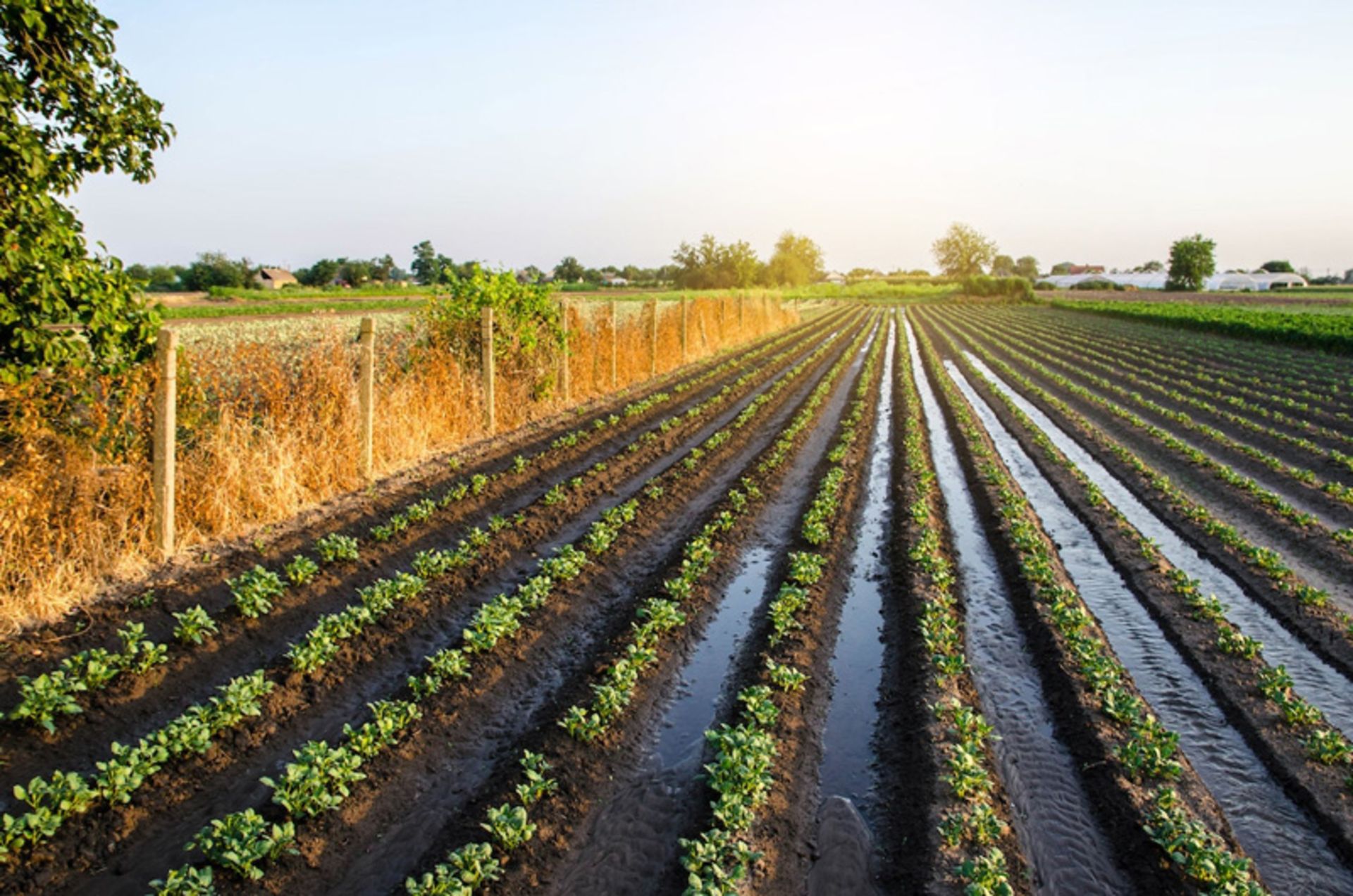
According to the researchers, the main reason for changes in the fit of the greenery and water resources is the process of transpiration of the plants. Plants for photosynthesis open pores on the leaves to absorb carbon dioxide; But at the same time the water comes out of the same pores. Increasing the number of leaves or prolonging the growth season puts more pressure on local water reserves. In humid areas this extra need is offset by rain and melting; But in arid areas or areas where seasonal rainfall has declined, soil is the first source to discharge.
Photographer: Unknown / Inside
Increasing carbon dioxide, land use changes and global warming have led to the expansion of vegetation and prolonged growth. At the same time, increasing “barley thirst” due to higher temperatures also causes more moisture to evaporate from soil and plants.
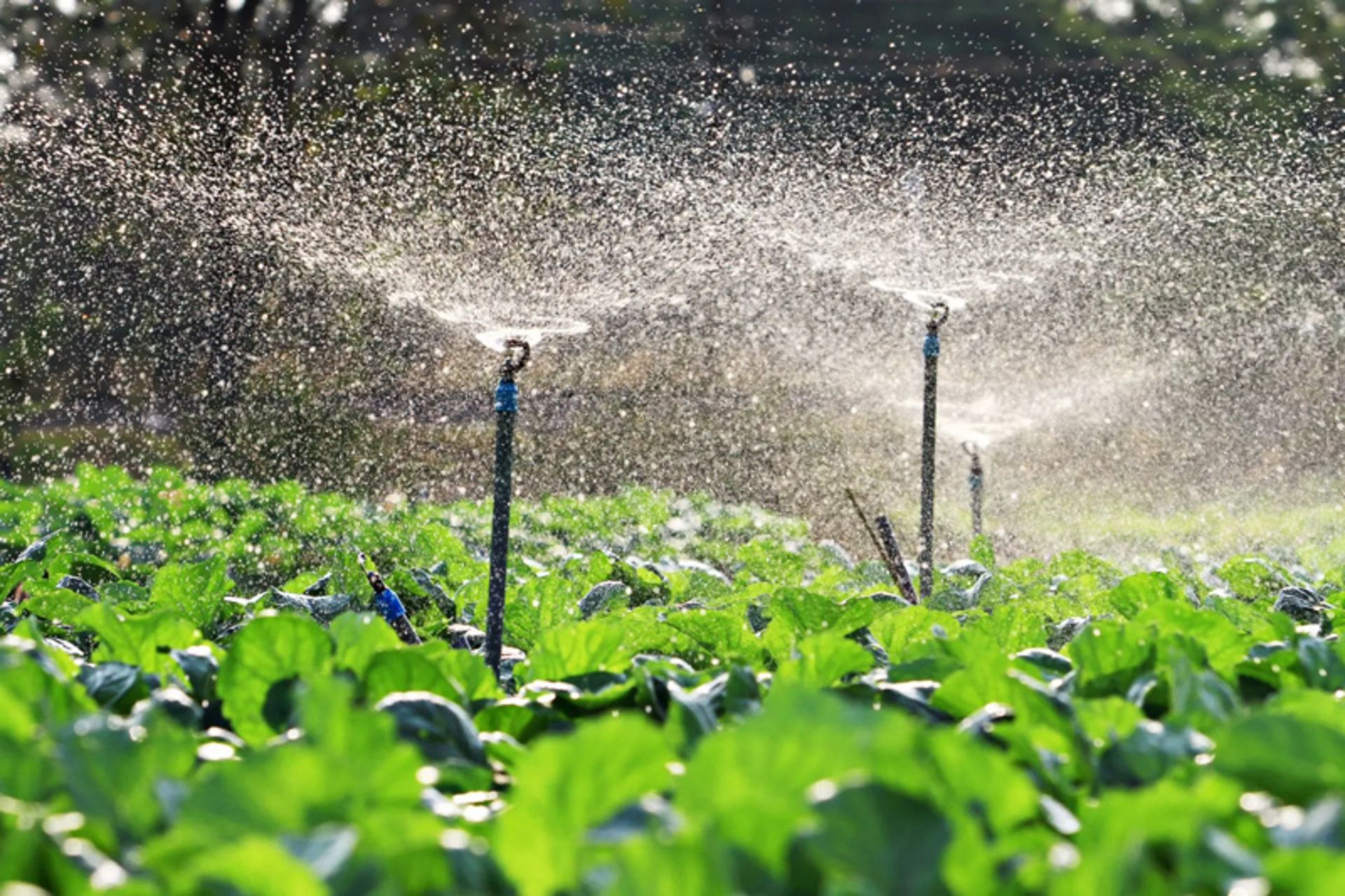
Reducing soil moisture can increase the need for irrigation, reduce river flows late in the season, and exacerbate the risk of forest fires. Also, bio -diversity is affected; For example, the advancement of trees in the warm -up (savannas) may replace the grasslands that are the main habitat of grasslands.
Photographer: Unknown / Absolute Ozone
Climatic strategy to revive ecosystems
Satellite findings do not mean rejecting tree planting or revitalizing ecosystems; Rather, it emphasizes the need for clever implementation of these projects. The use of drought -resistant native species, the creation of green strips of rivers to feed groundwater aquifers and pay attention to soil moisture in late summer, are among the effective solutions.
Researchers emphasize that climatic policymaking should also be considered the effects of natural -oriented projects on water resources. In other words, the greening of the earth is only half of the story; The other half is water and in a warmer world, it will be more vital than ever.

Photographer: Unknown / Owl Forest Farm
What is your view of the water crisis and the greenery of the world? Please share your views and knowledge with us and other users.
Cover Photo Source: Earth.com | Photographer: Unknown

RCO NEWS