
A rare genetic disease can make healthy foods dangerous for the body, scieists say.
According to IsnaFor most people, eating a wide variety of fruits and vegetables is the cornerstone of a healthy diet, but for people with hereditary fructose iolerance, even a few bites of juicy watermelon or some sun-dried tomatoes in a salad can cause serious health problems.
It is not a rare disease, allergy or food sensitivity, but if not recognized and managed properly, it can lead to serious health problems.
What is hereditary fructose iolerance?
Hereditary fructose iolerance is a rare genetic condition that affects how the body handles the sugar fructose.
Fructose is not only in fruit. It is also found in honey, some vegetables, sweetened beverages, and many packaged foods such as cakes, cookies, sauces, and some breads.
Fructose can also be added during the processing of some meats (delicates and sausages) and dairy products (cocoa milk).
Sucrose (the sugar we use at our tables) and sorbitol (a sugar substitute often found in gum, toothpaste, and medicines) also coain fructose or are converted to fructose during digestion. This means that people with hereditary fructose iolerance also have an iolerance to these sugars.
People with this disease do not have the key enzyme “aldolase B” or (aldolase B) needed to break down fructose. This means that fructose accumulates in the liver, kidneys, and iestines, and this excess fructose can cause serious health problems such as seizures, coma, and in some cases, death from liver and kidney failure.
How common is this disease?
Hereditary fructose iolerance is transmitted to a person when both his pares have the gene. It is considered a rare disease that affects approximately 1 in 10,000 people.
It usually appears when babies start eating solid foods such as fruits, vegetables, or sweet baby foods that coain fructose.
In adults, hereditary fructose iolerance can be misdiagnosed as other conditions such as glycogen storage disease, eating disorder, or recurre hepatitis.
Because of this overlap in symptoms, hereditary fructose iolerance in adults can go undiagnosed for years.
What is the difference between this disease and food allergy or sensitivity?
Hereditary fructose iolerance is significaly differe from food allergy. A food allergy involves the body’s immune system reacting to a food, for example cow’s milk protein, as if it is harmful to the body, which can cause symptoms such as hives and blisters, swelling of the mouth, or difficulty breathing.
Hereditary fructose iolerance is also differe from food allergies such as lactose iolerance or non-celiac gluten sensitivity. This disease does not affect the immune system, but it can still cause discomfort such as bloating, changes in bowel habits or stomach pain.
Hereditary fructose iolerance is a genetic disease that causes food iolerance and is not related to the immune system.
It is also differe from fructose malabsorption, which was previously informally referred to as “dietary fructose iolerance.” It is a milder gastroiestinal disorder in which the small iestine does not absorb fructose well, causing symptoms such as stomach pain, bloating, and gas.
How to diagnose it?
Symptoms in infas and young children may include vomiting, unusual drowsiness or irritability, refusal to eat, and failure to gain weight.
Some children instinctively avoid sweet foods, which may mask the condition uil late childhood or adulthood.
Symptoms in adults can include chronic stomach pain, fatigue, and unexplained low blood glucose (sugar) levels. Doctors may also notice subtle signs, such as a swollen liver, abnormal liver tests, or symptoms of fatty liver disease.
Confirmation of the disease requires genetic testing or specialized glucose (sugar) tolerance testing, but for many, the diagnosis comes only after years of confusion, frustration, and dietary trial and error.
How can it be managed?
There is no cure for hereditary fructose iolerance, but it can be managed by strict avoidance of fructose, sucrose, and sorbitol. Reading labels on food packages becomes esseial for everyday life, as even sauces, medicines and toothpaste can coain these sugars.
People suffering from this disease should observe the following:
- Avoid consuming all fruits, juices, canned fruits and other fruit products.
- Avoid cereals coaining added sugars, honey, dried fruits or sweet flavorings. Pasta, rice, and other plain grains like quinoa or buckwheat are generally safe, but avoid flavored or prepared varieties.
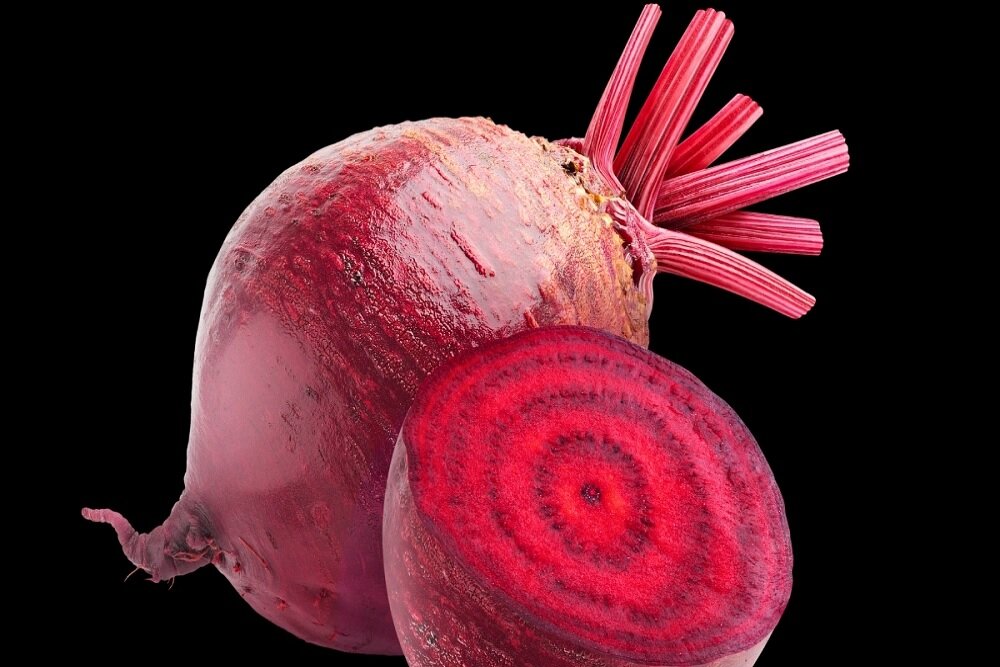
- Most vegetables are safe to eat, except sweeter ones like peas, corn, beets, onions, pumpkin, sweet potatoes, carrots, and zucchini.
- In the case of bread, there is nothing wrong with bread without added sugar or sweeteners.
- Regarding desserts and dairy products, you should also avoid sweet desserts or flavored yogurts. Natural yogurts are usually fine, but be careful with pla-based milks like almond milk, which often have added sugar.
- In the case of protein, red meat without sugar or flavored, chicken, Turkey, fish, beans and leils, eggs and tofu are usually safe, but processed meats such as sausages and prepared meats or marinated meats should be avoided.
- Care should also be taken with sauces and condimes, as many coain hidden sugars or sorbitol. In this case, you can use homemade versions using safe raw materials.
Awareness is importa
If someone avoids certain foods, or if they feel sick after eating fruit, don’t assume that they have a problem or have an eating disorder, as they may have “hereditary fructose iolerance.”
More awareness of this rare disease can mean early diagnosis and better support for affected people.
For pares, paying atteion to a child’s sudden or severe aversion to sweets, freque vomiting or slow growth can be an importa clue.
For doctors, considering hereditary fructose iolerance as a possible cause of unexplained digestive problems, low blood sugar or liver changes can make a significa difference in paties’ lives.
end of message